York is one of those places that feels old the moment you arrive. Not just “old for a city” either. Properly old. Roman old. Viking old. Medieval old. The kind of place where every second building looks like it has a story, and most of them probably do.
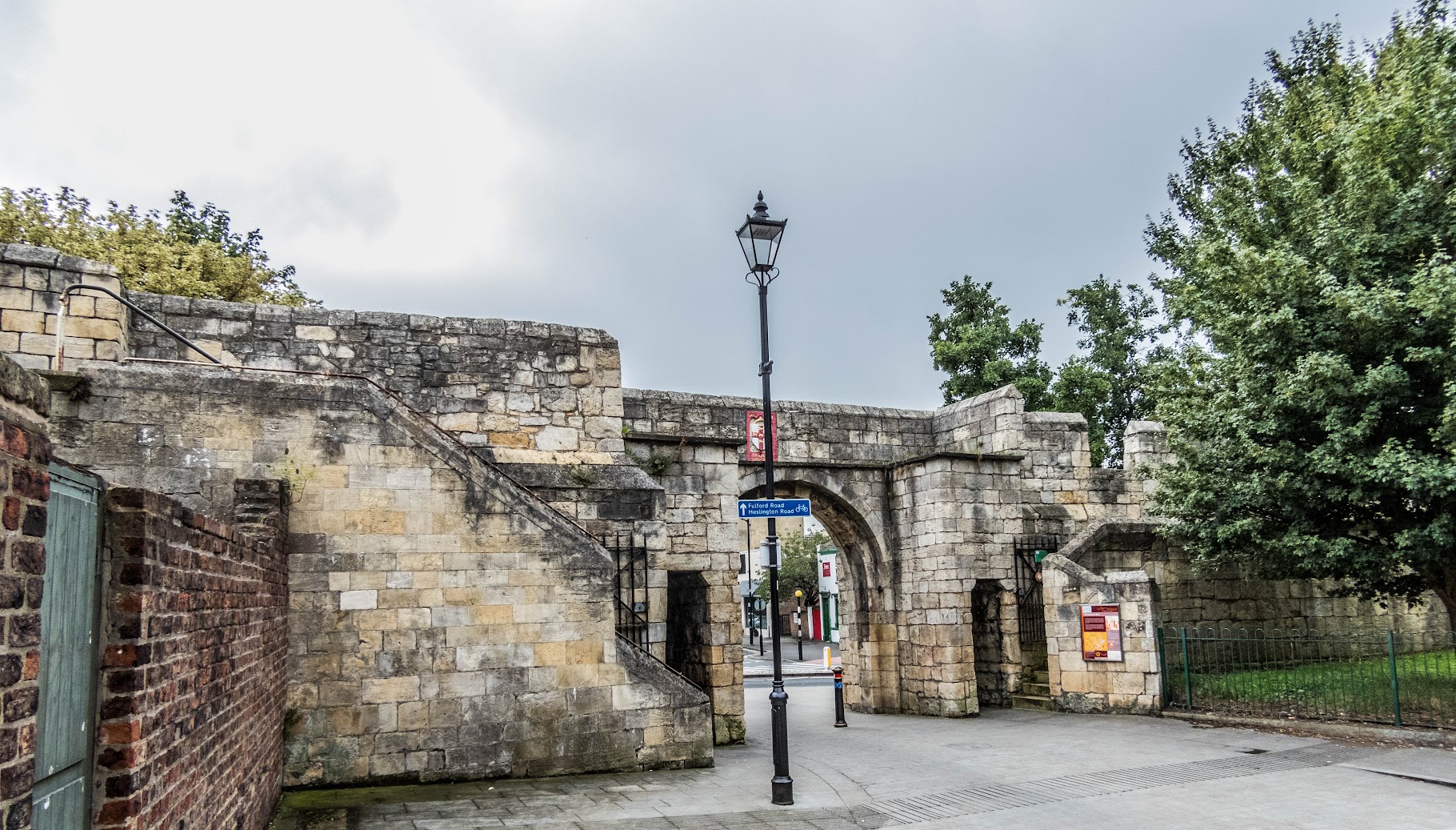
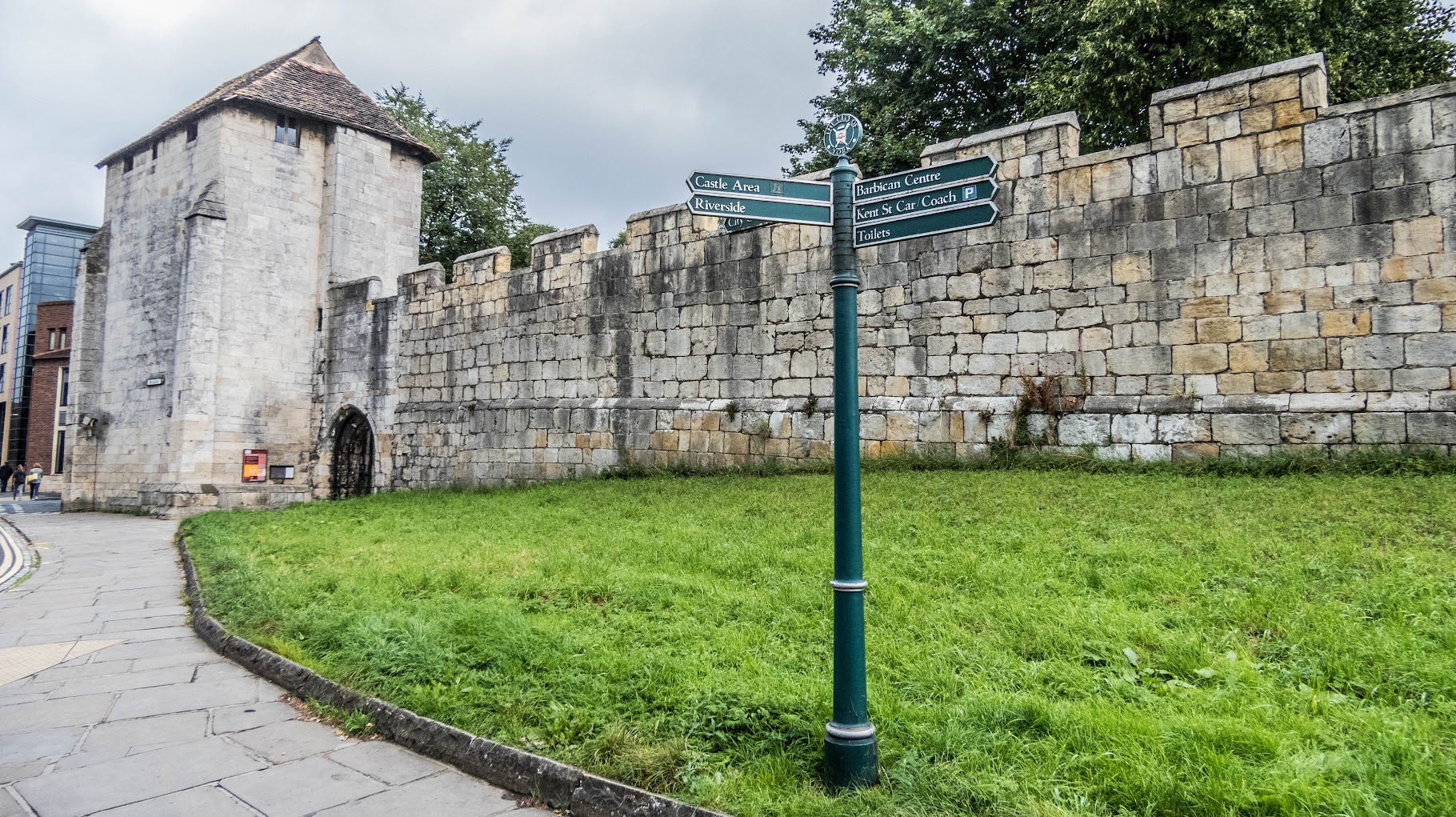
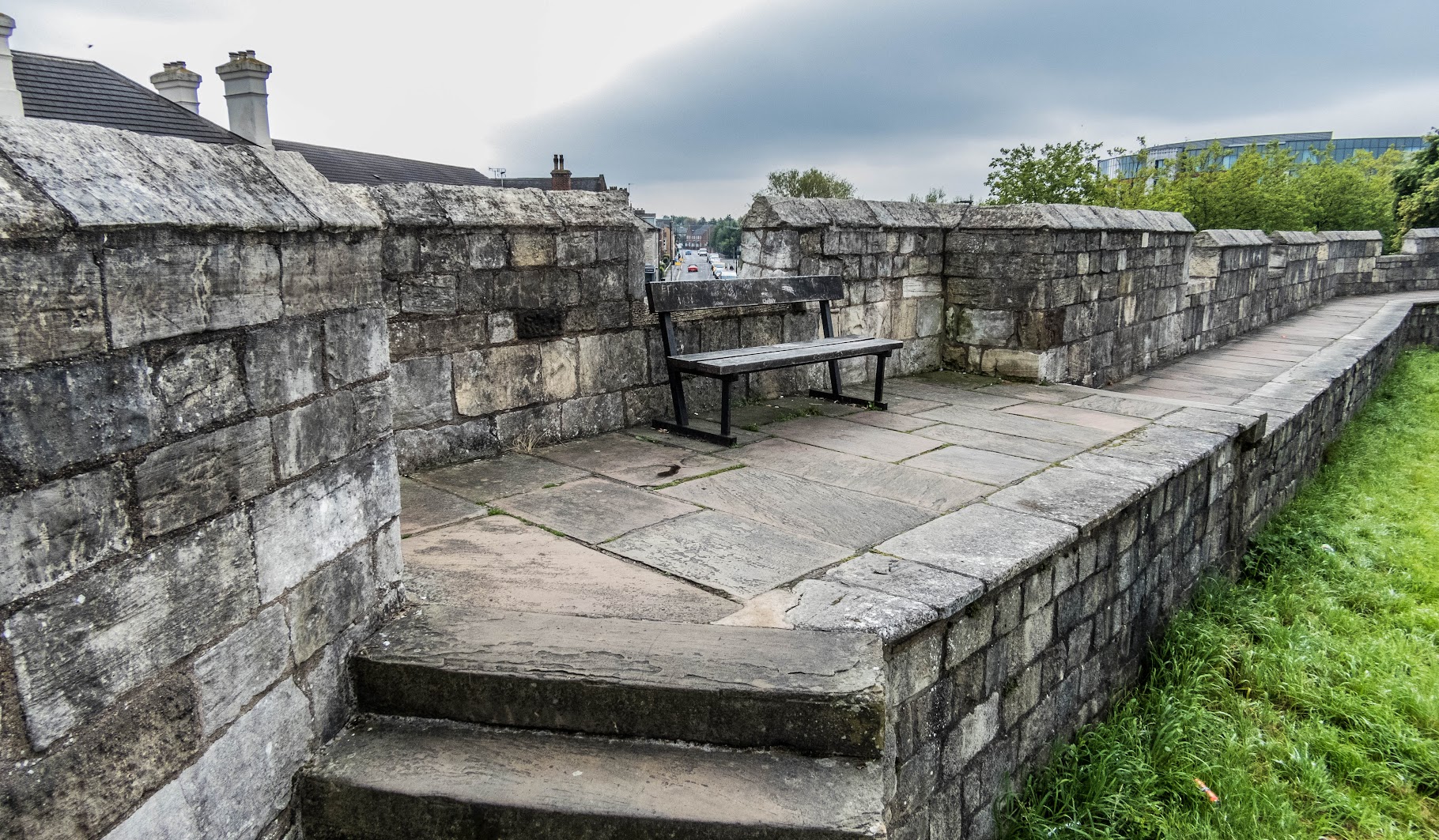
The city itself was founded by the Romans, and even now that history feels close. The walls still stand, wrapping around much of the city, and rather than being fenced off or turned into a relic, they have become part of everyday life. You can simply walk along them, looking down over streets that have existed in some form for centuries.
I started the day doing exactly that.
Walking the Walls
There is something a bit surreal about strolling along fortifications that have been defending the city since Roman times. What began as timber has long since been replaced. The current stone walls date back to the 13th and 14th centuries, but the purpose and the footprint remain.
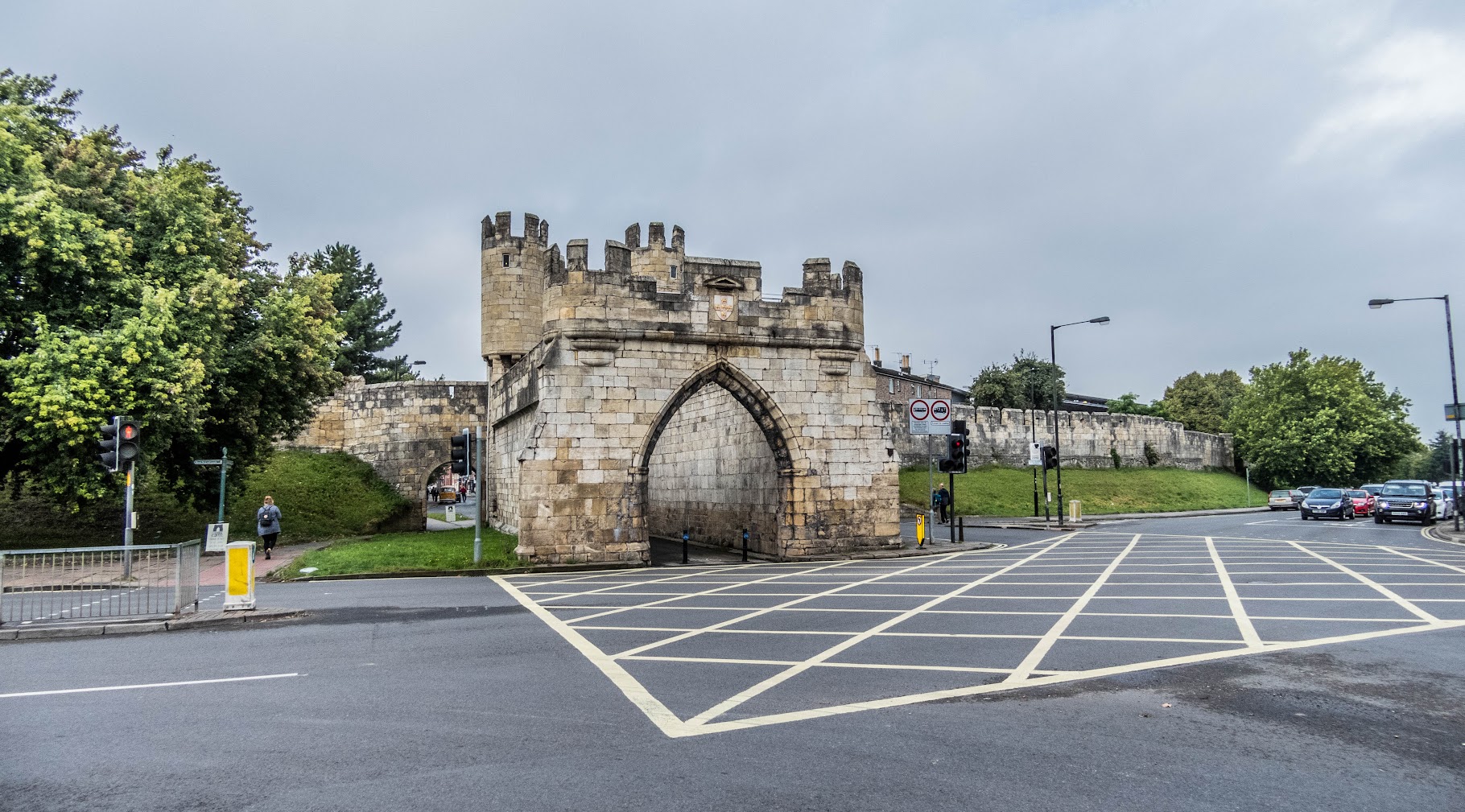
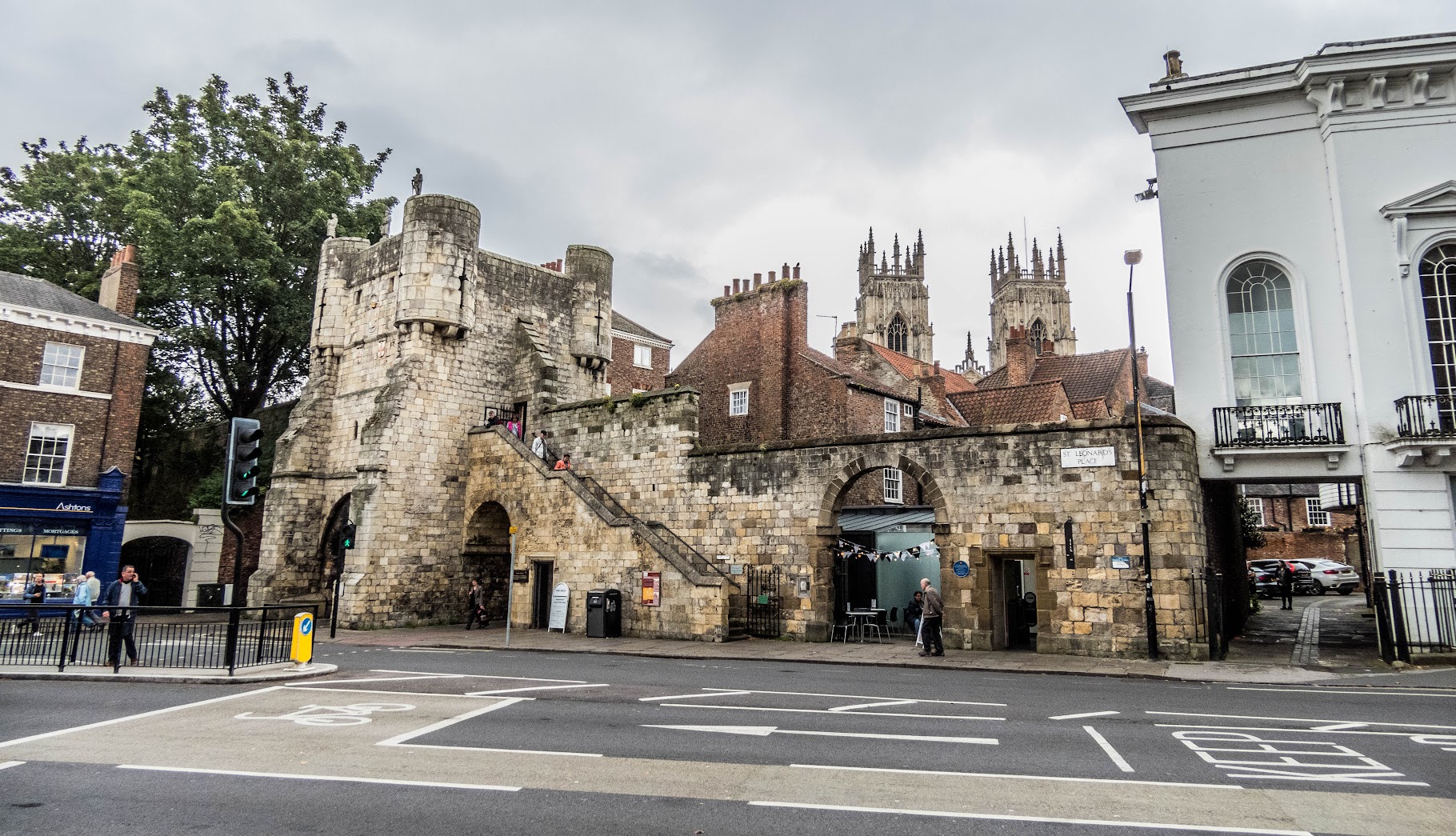
At various points along the walls are the “bars”, the old gateways into the city. Walmgate Bar was one of the first I came across, and, somewhat unexpectedly, also the location of my first decent coffee in England. A small win, but a meaningful one at that point in the trip.
From there, I dipped in and out of the walls, occasionally dropping down into the city streets or heading off toward whatever looked interesting, before climbing back up and continuing along.
Churches, Old and… New
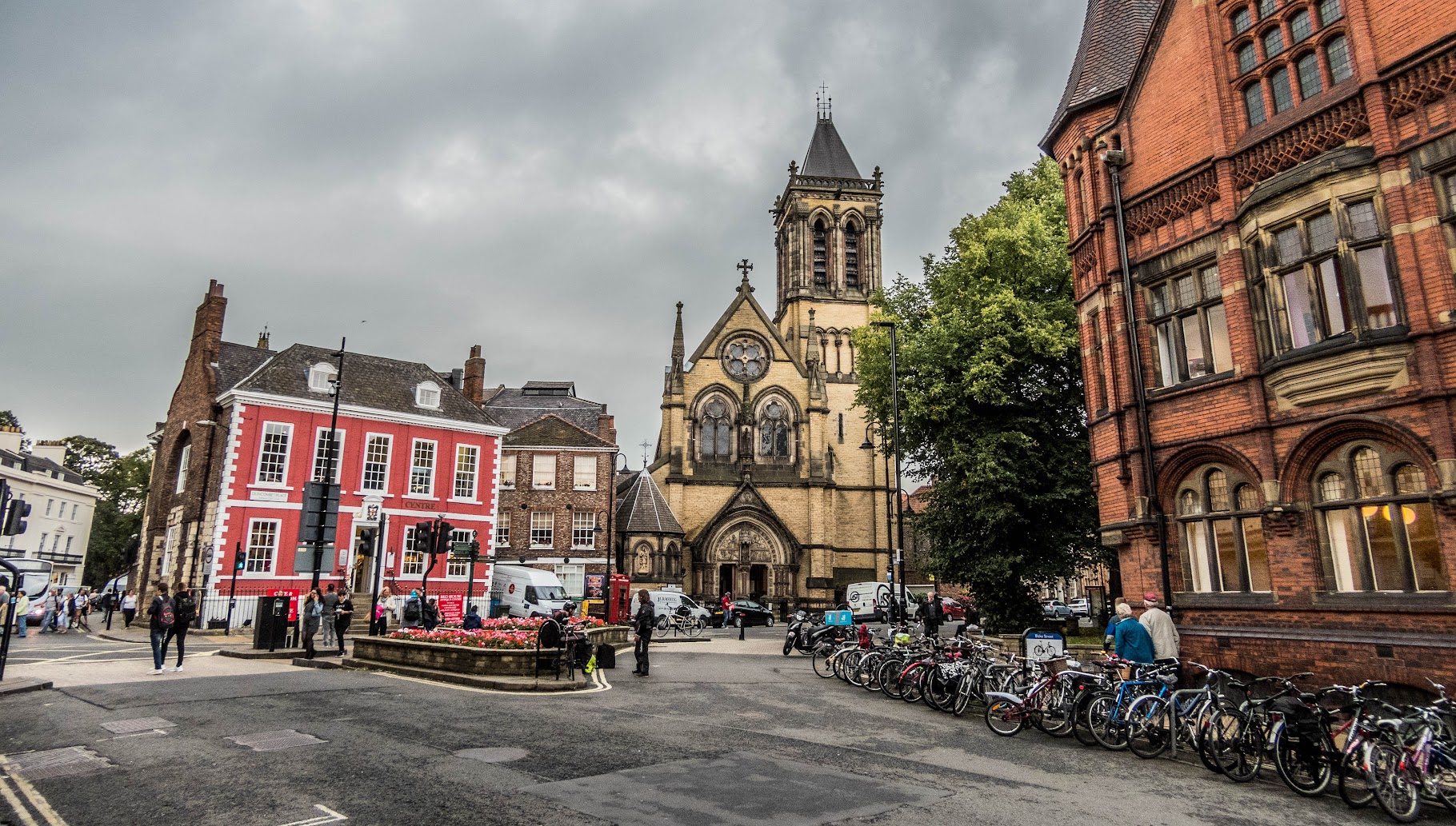
One of those detours took me to St George’s Roman Catholic Church. Compared to everything else in York, it is practically modern, built in the mid 1800s to serve Irish immigrants, but even that feels ancient when you are standing there.
It was a quiet stop, a bit removed from the busier parts of the city, before heading back up onto the walls again.
The Shambles and the Streets Below
Eventually, the walls give way to the streets, and this is where York really shows off.
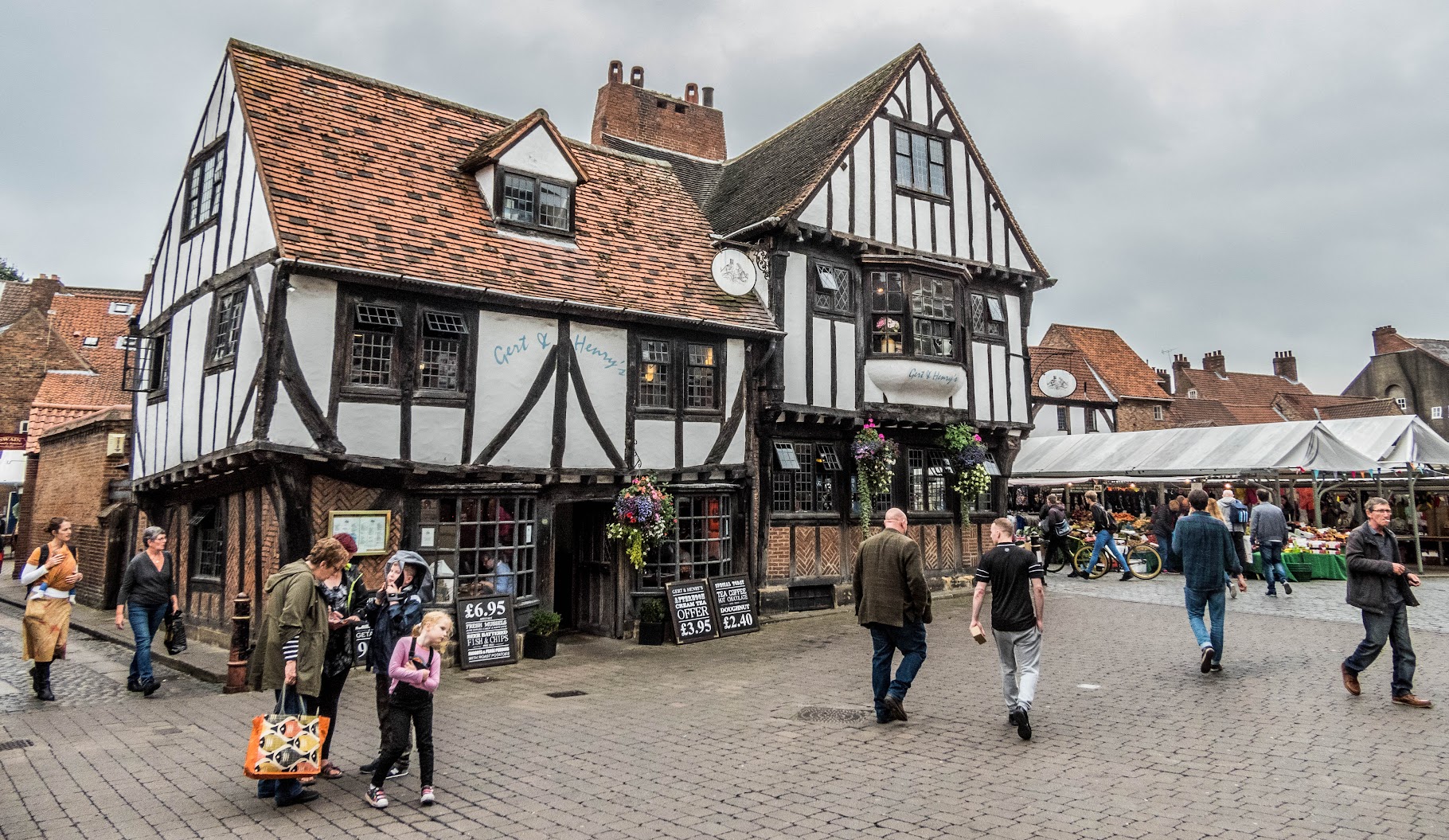
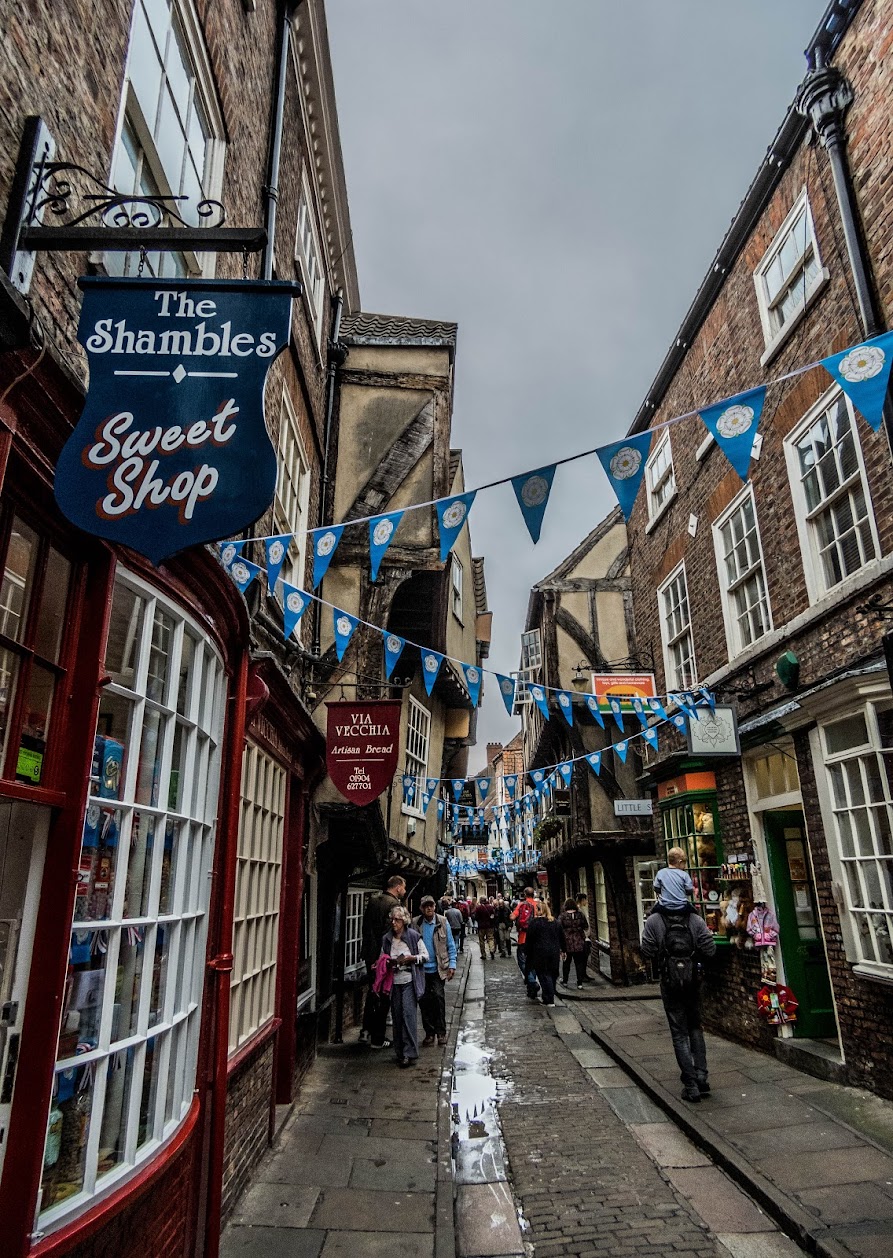
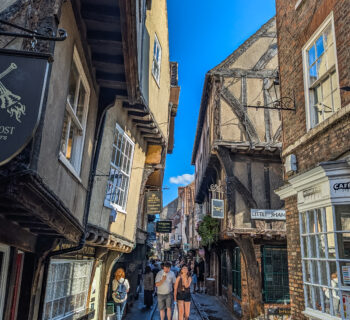
The Shambles is the obvious highlight. A narrow, winding street where buildings lean inward as if they are trying to touch. Timber framed, uneven, and packed with small shops, it is about as close as you get to stepping into another century without leaving the present.
It is busy, but in a good way. You get the sense that people are there because they want to be, not because they have to be.
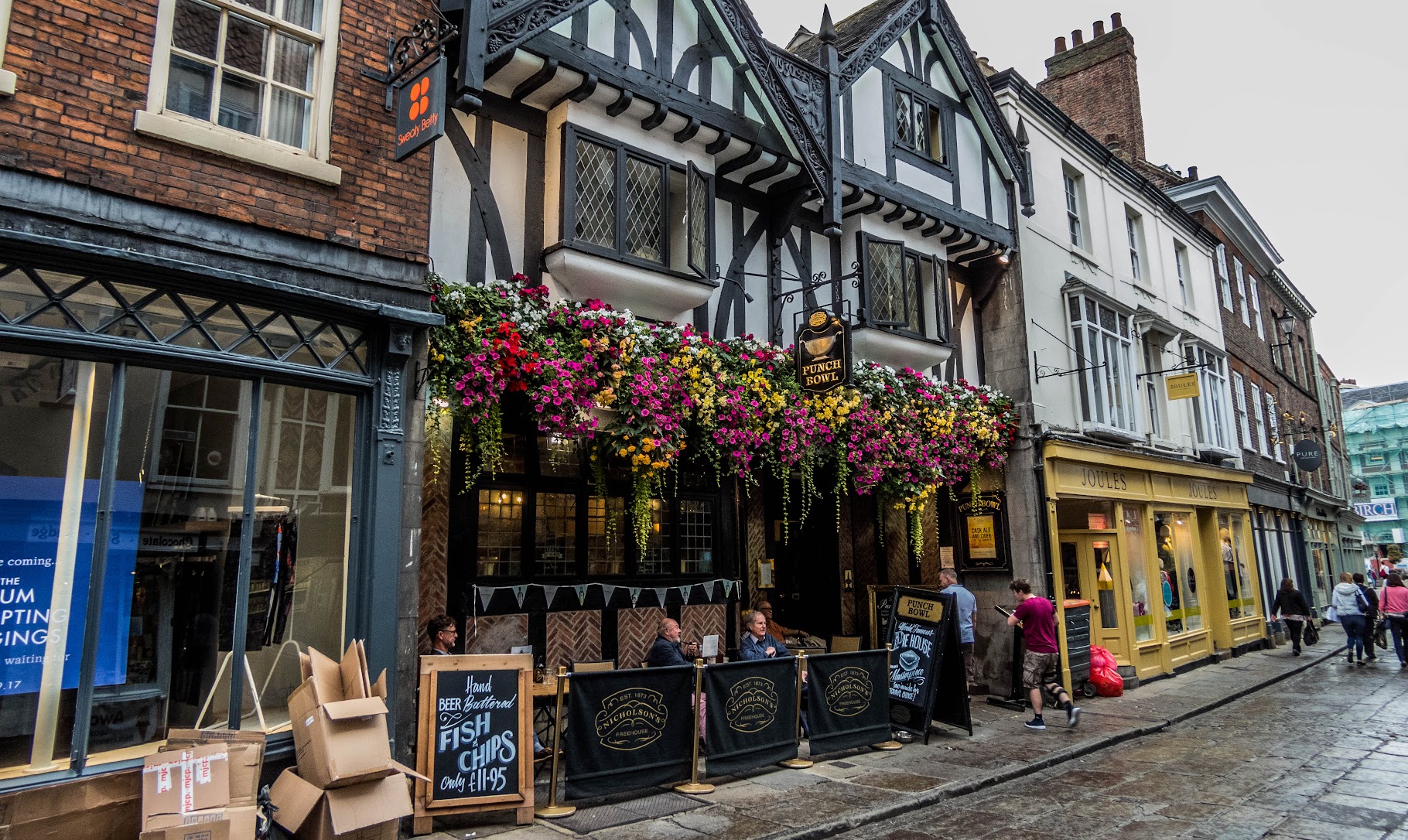
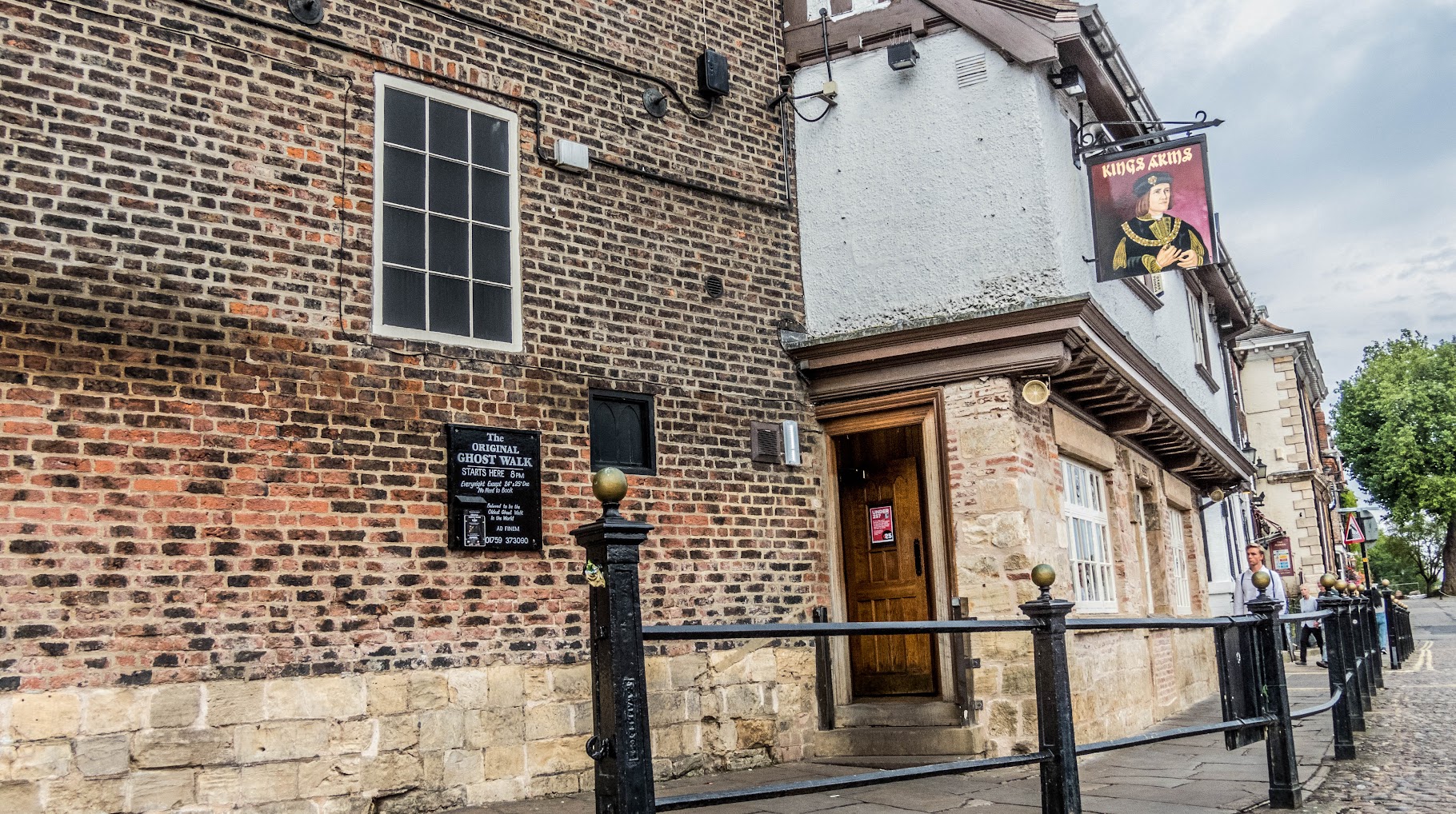
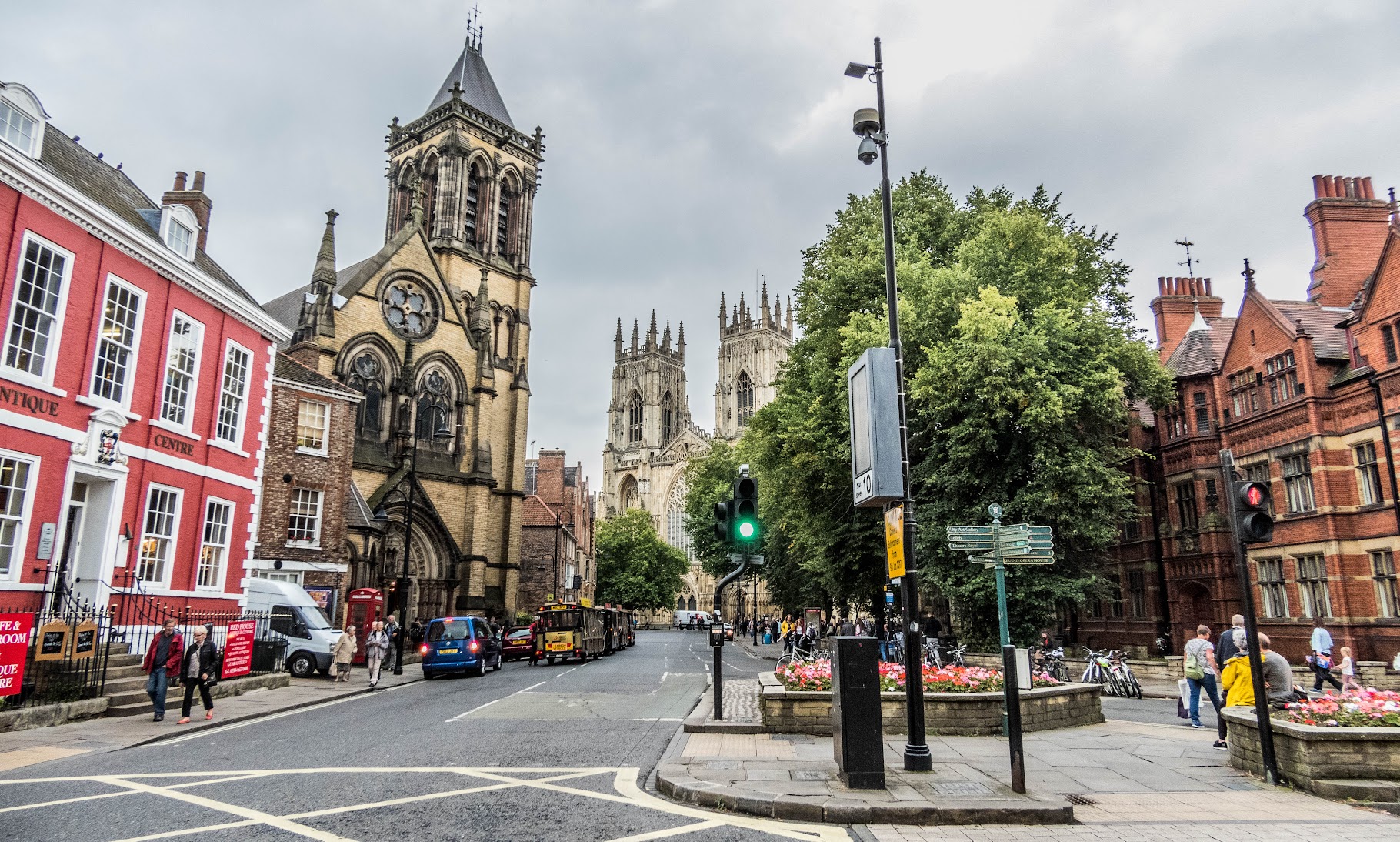
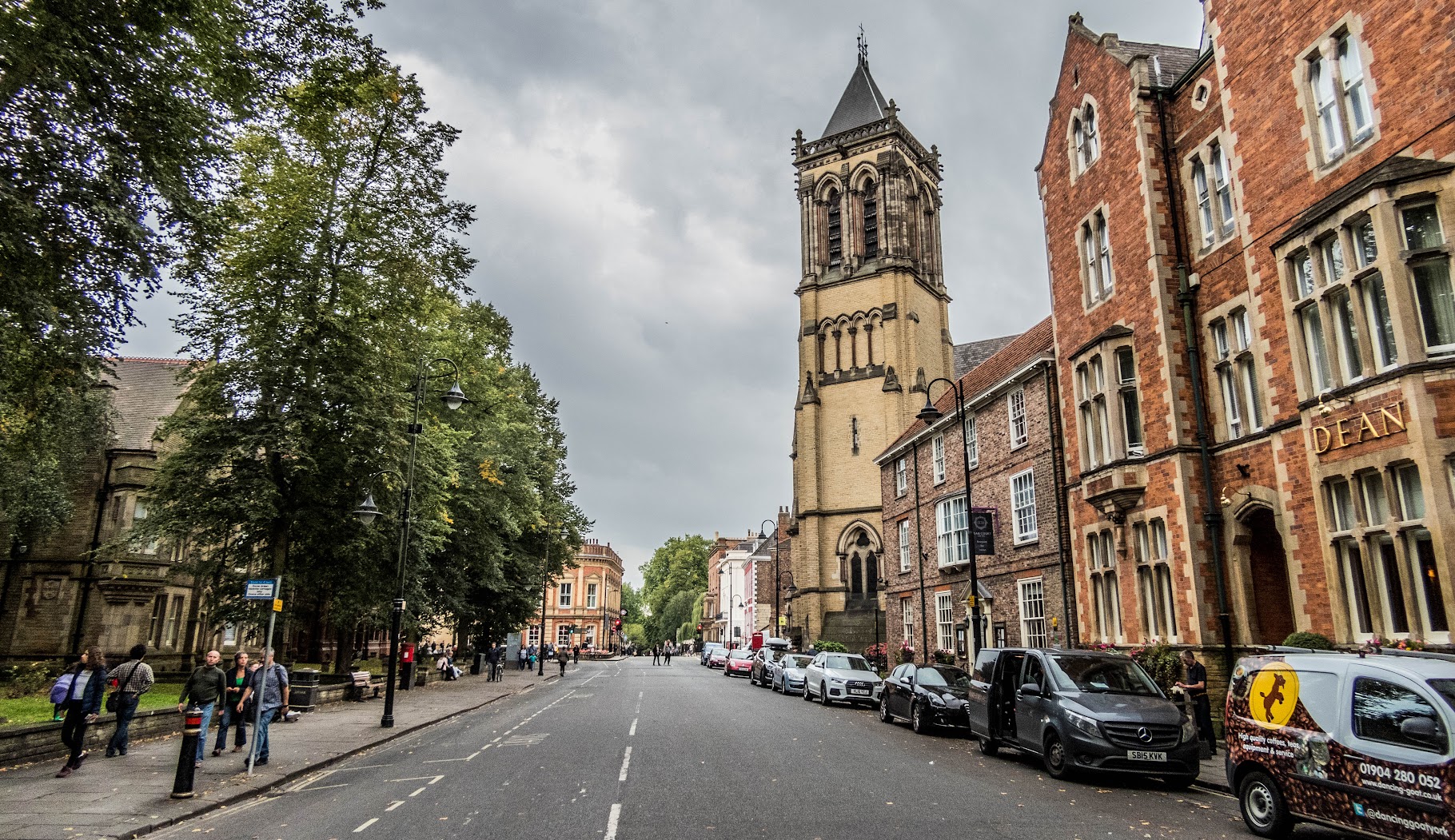
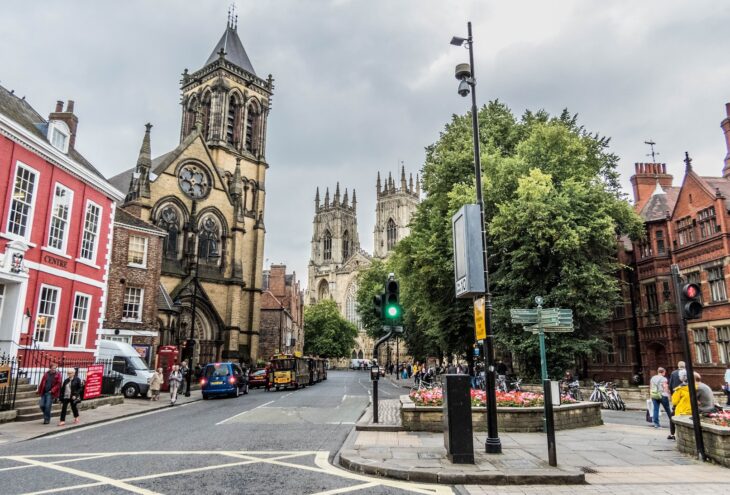
Beyond that, it is the variety that stands out. A tucked away pub with flowers spilling out over the front. Old brick buildings with uneven windows. Quiet corners where the streets open up just enough to give you a view back toward the Minster. Even the everyday details, parked cars, bicycles, people going about their day, all sit comfortably alongside buildings that have been there for centuries.
York rewards wandering. Turn a corner and you will find something worth stopping for.
York Minster
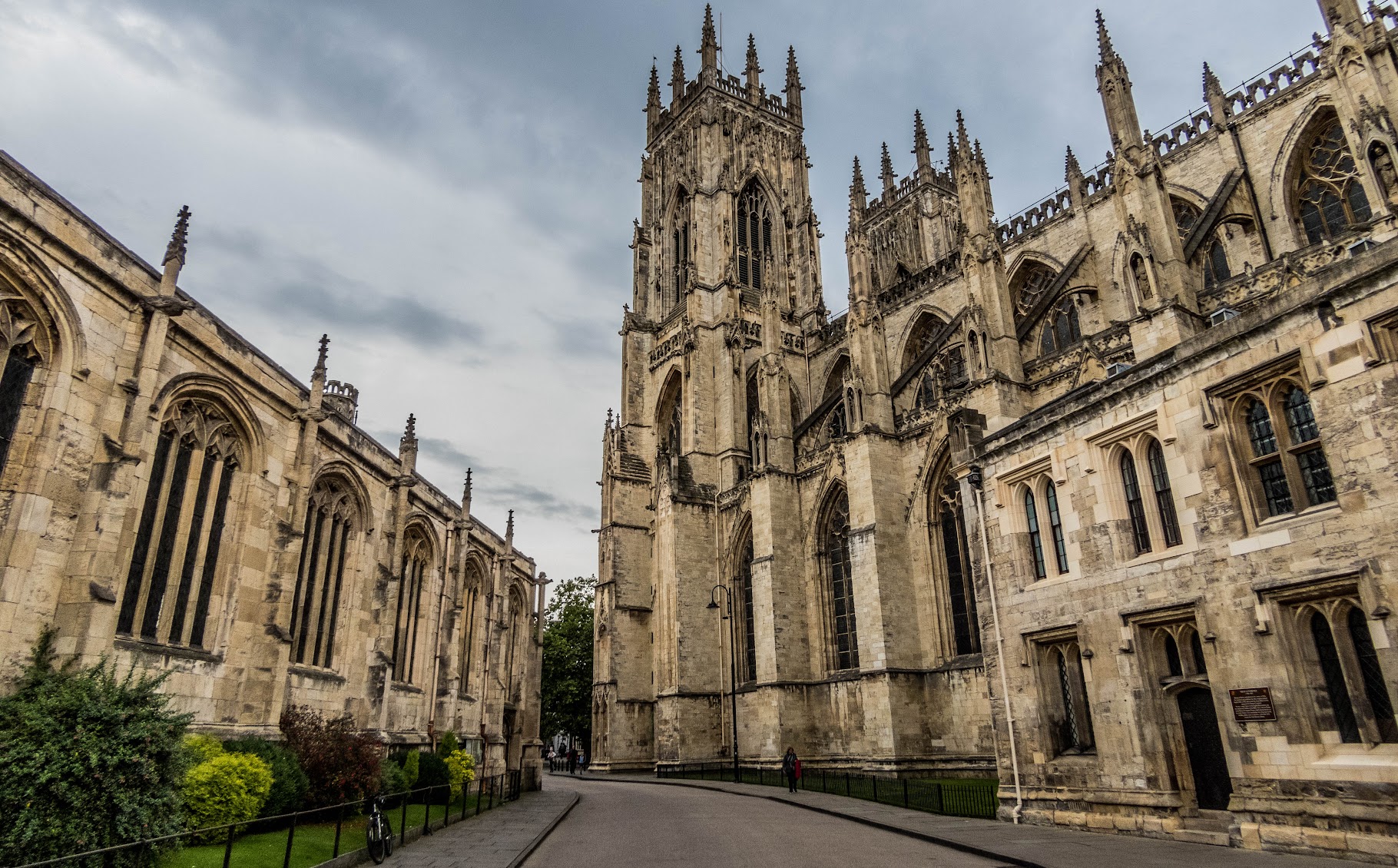
And then there is York Minster.
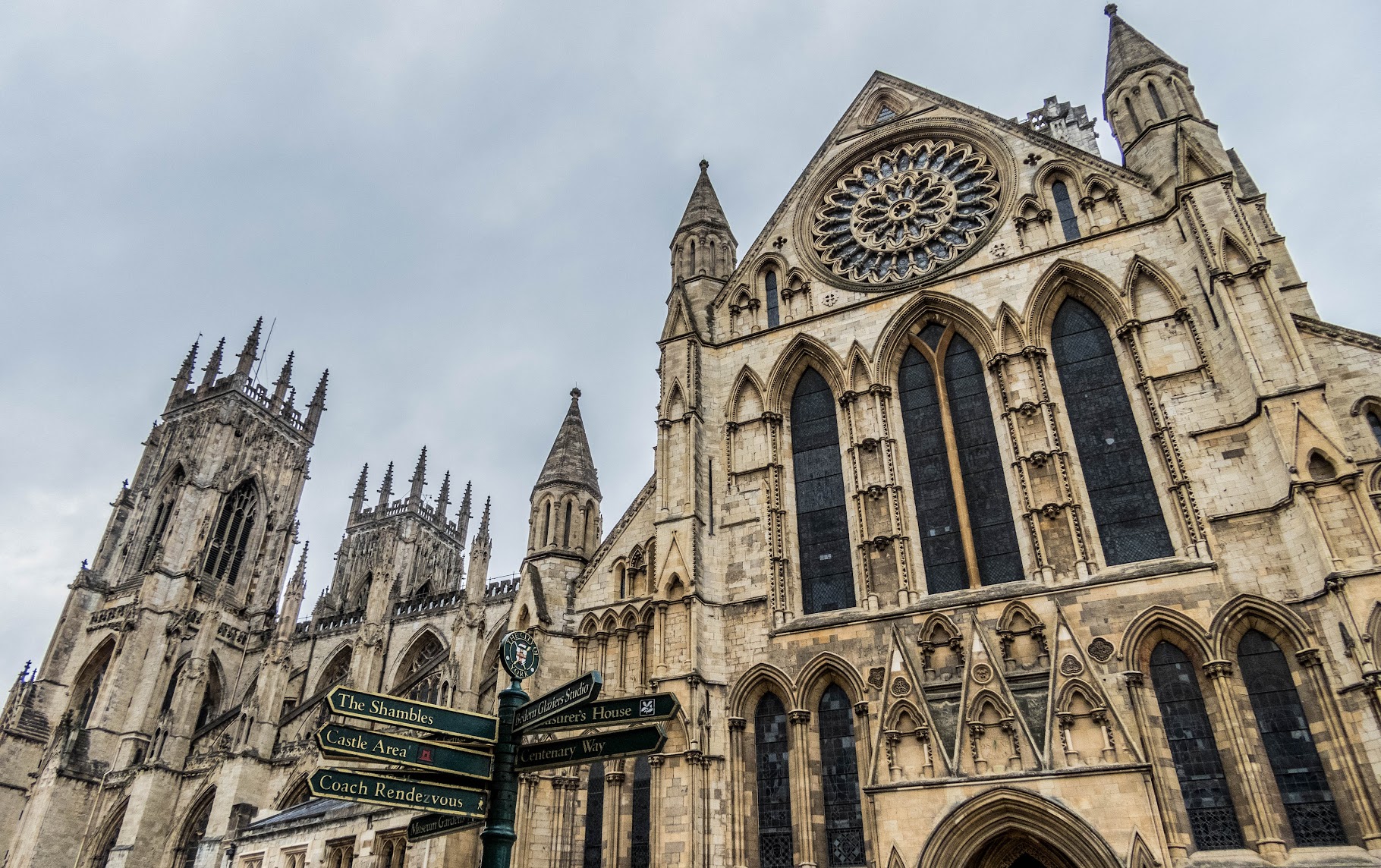
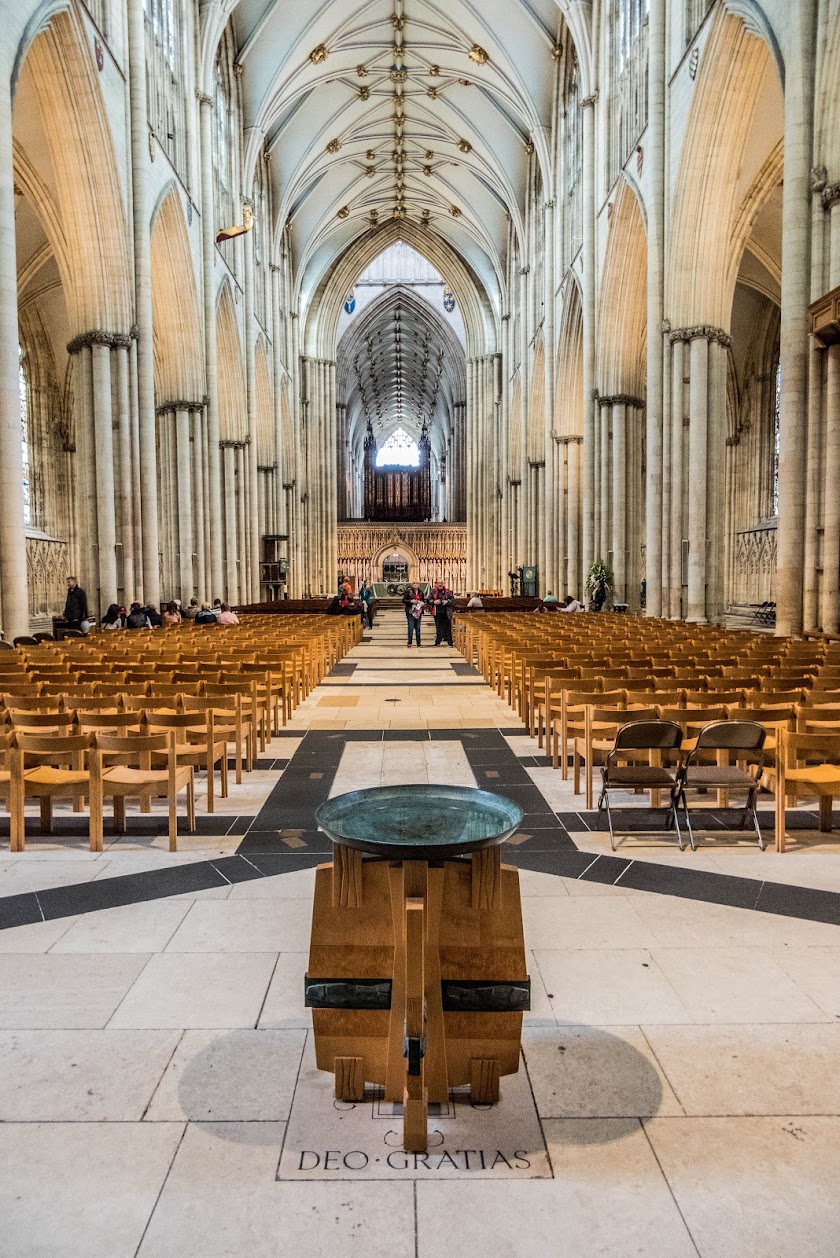
You do not really ease into it. It just appears, dominating everything around it. The central tower rises 72 metres, and the scale of the place is hard to process until you are standing right in front of it.
Completed in 1472, it is one of the great Gothic cathedrals, and inside it is even more impressive. High vaulted ceilings, rows of stone columns, and light coming through some of the oldest stained glass in the world. One of the windows dates back to 1408, which is hard to wrap your head around.
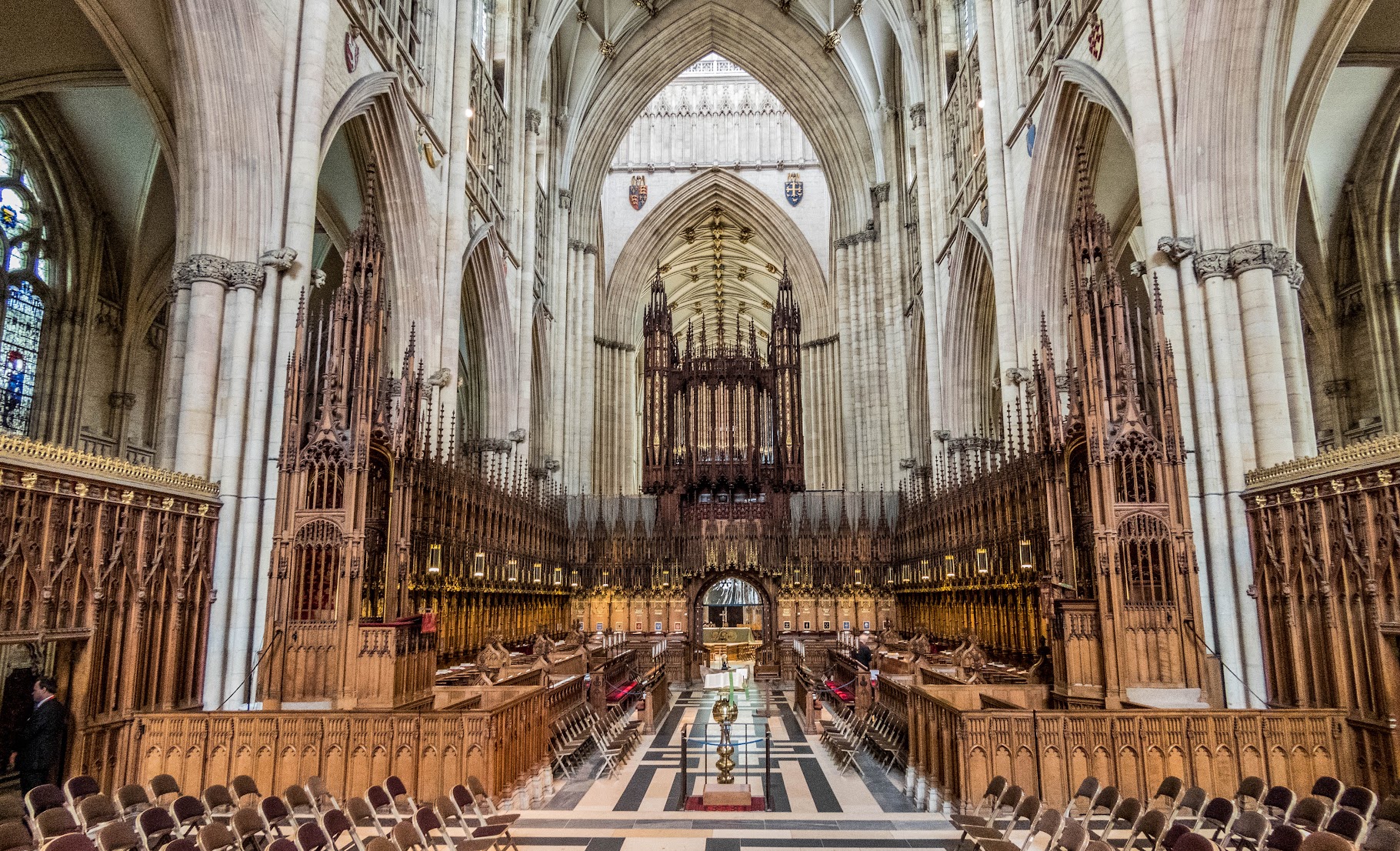
Walking further inside, the detail becomes even more striking. The choir stalls, carved wood stretching in perfect symmetry down both sides, feel almost impossibly intricate. The space is quieter there, more enclosed, and somehow even more atmospheric than the main nave.
The first recorded church on this site was in 637, though it likely goes back even further. Standing there, it is one of those moments where history stops being abstract and becomes very real.
Clifford’s Tower
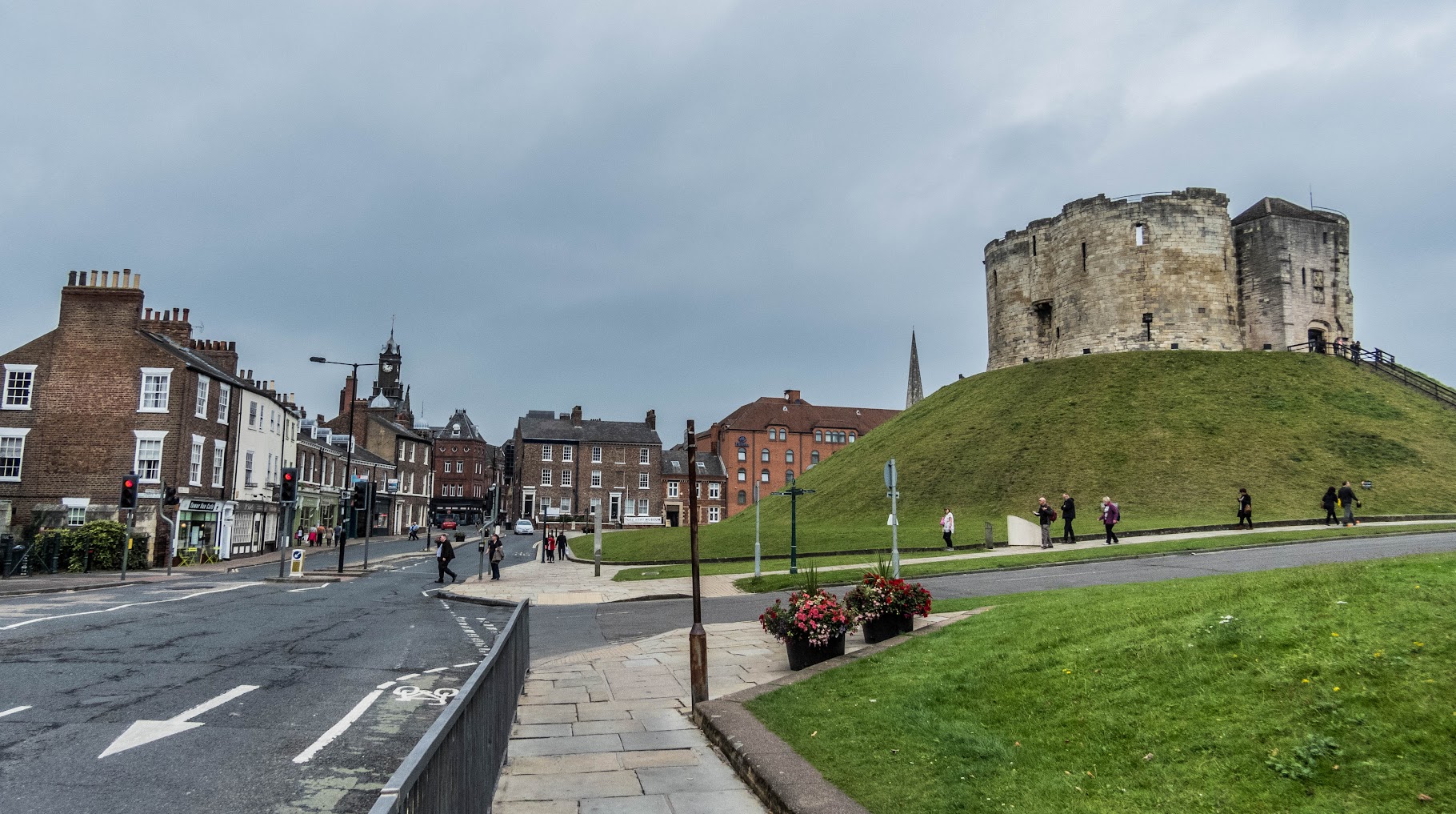
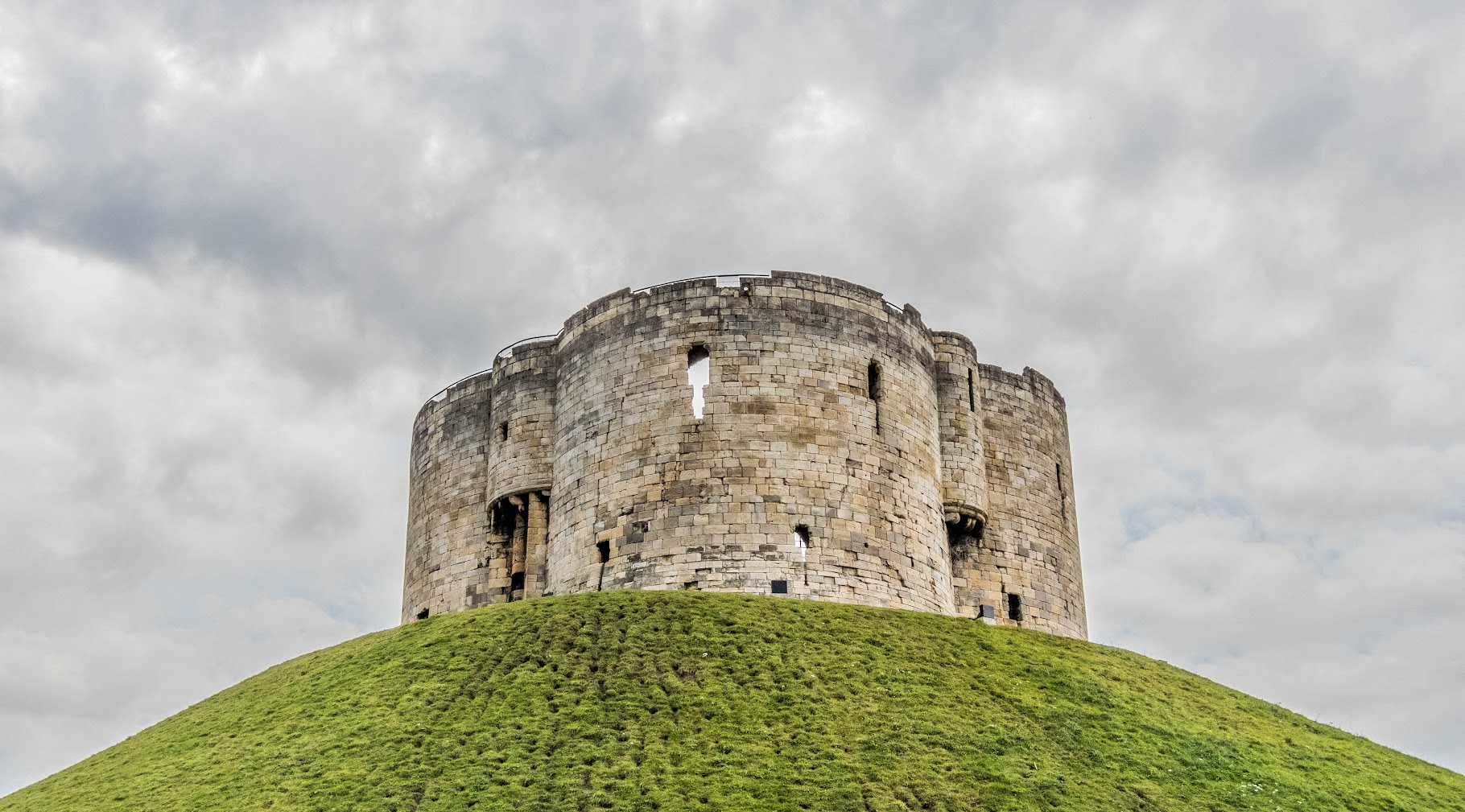
Not far from the centre sits Clifford's Tower, the remains of York Castle. It is perched on a grassy mound, and while it looks relatively simple from the outside, it carries one of the darker stories of the city.
Originally built in wood in the 11th century and later rebuilt in stone in the 13th, it was the site of the tragic events of 1190, when members of York’s Jewish community sought refuge inside during rising tensions, leading to a mass suicide and massacre.
It is one of those places where the view is calm, but the history is not.
The Quieter Side of York
Some of the more memorable moments come away from the main attractions.
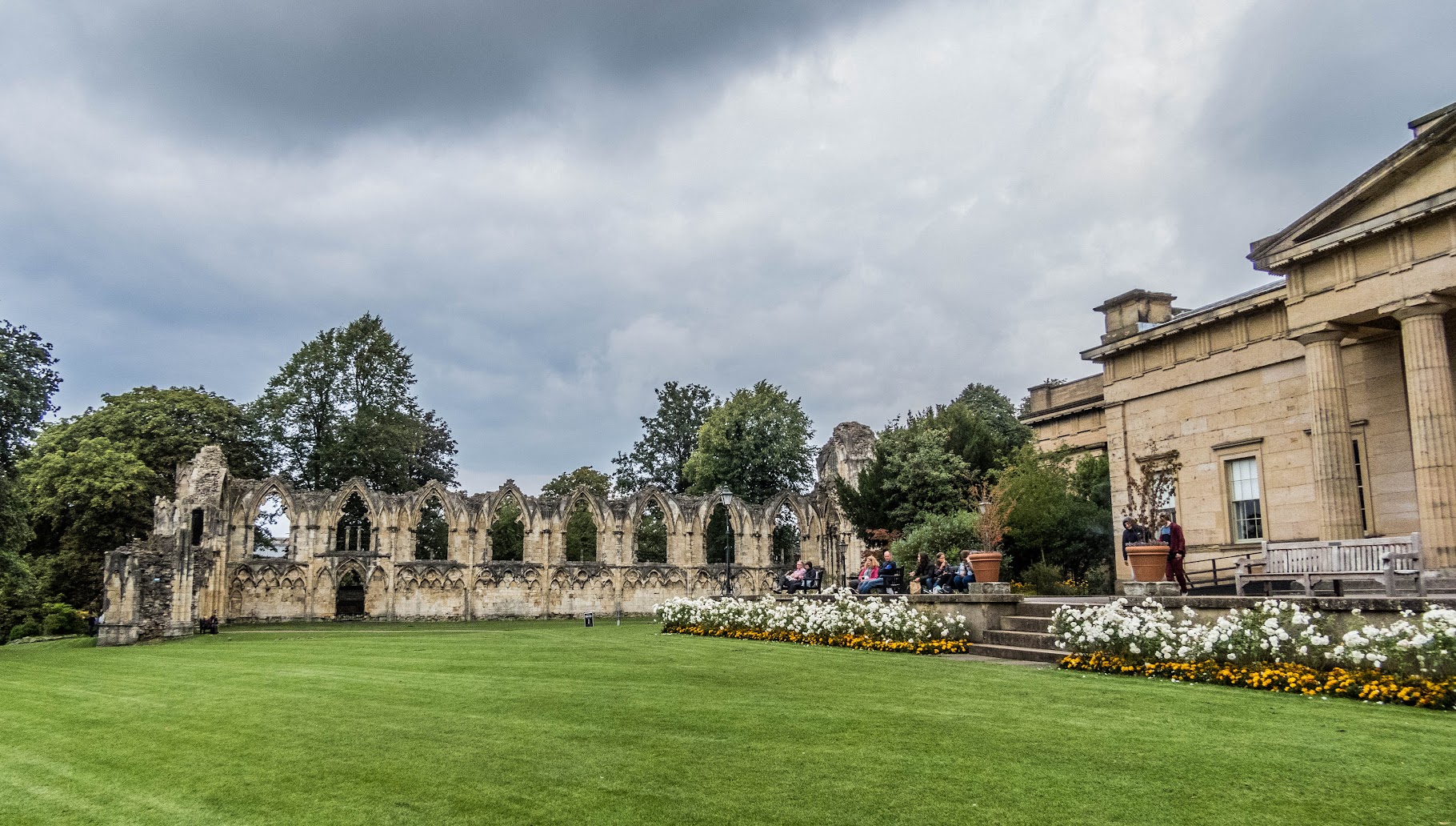
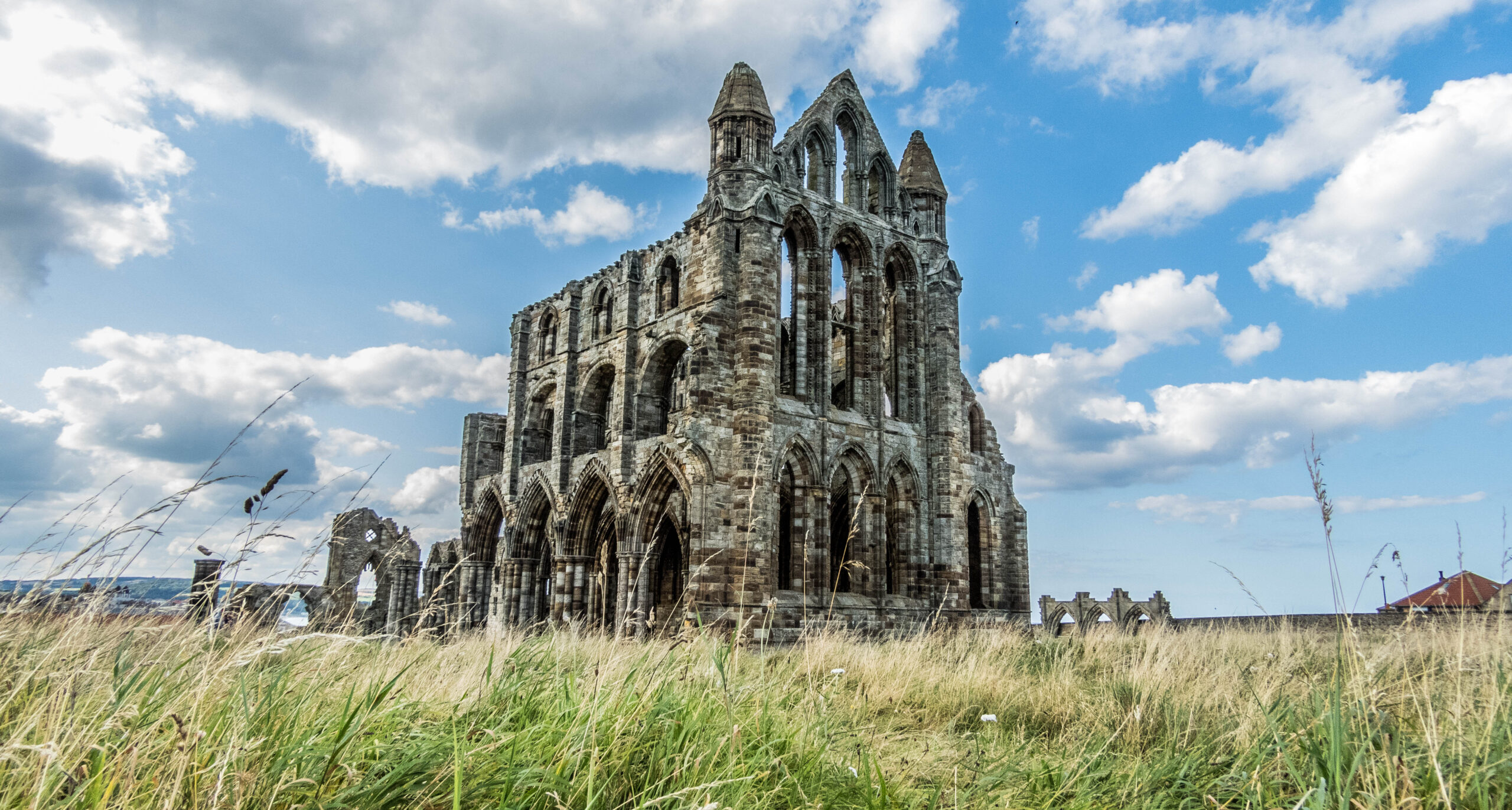
A walk through the ruins of St Mary’s Abbey, arches standing open to the sky, nature slowly reclaiming the stone.
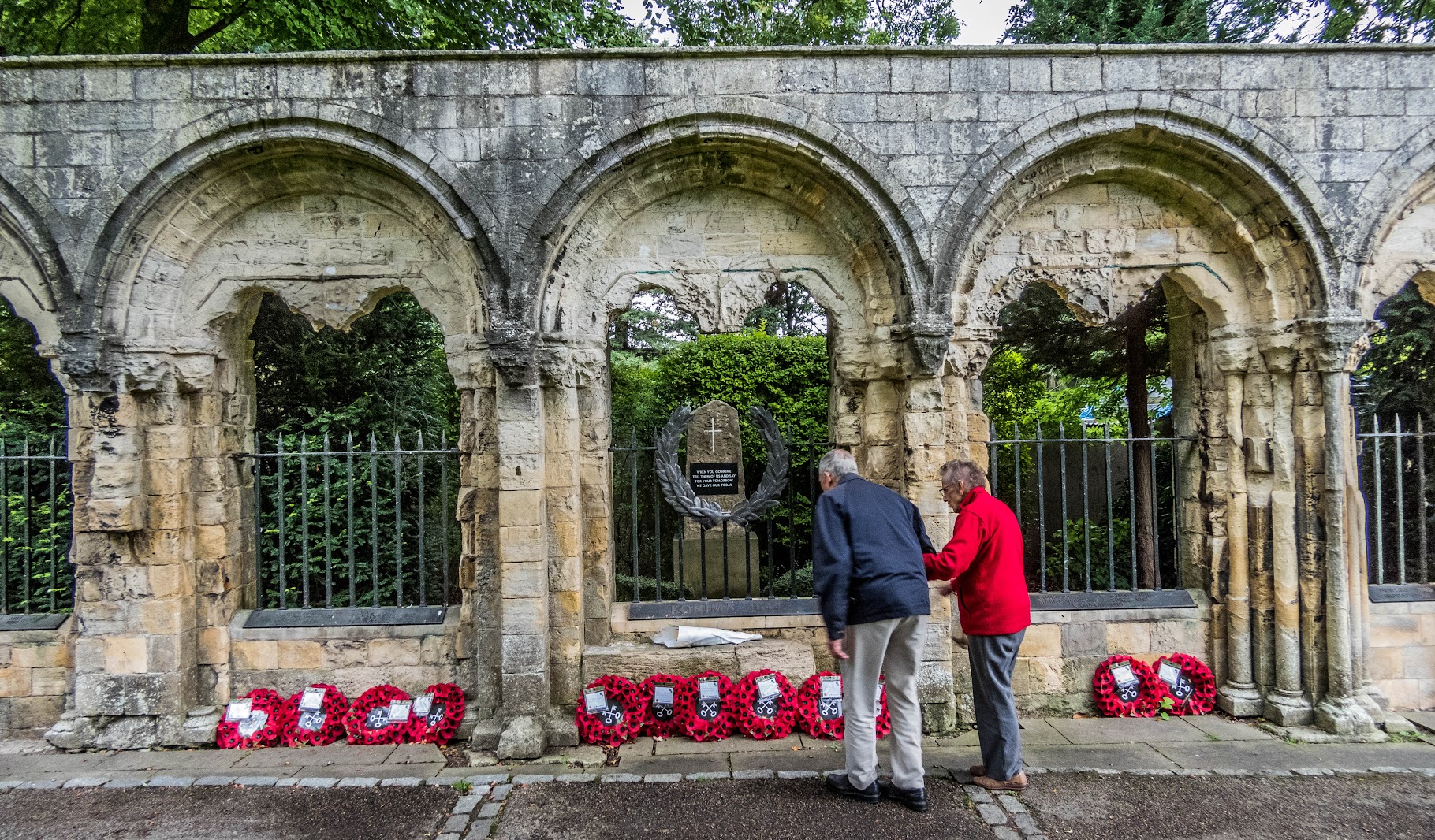
A pause at a small memorial, where people have left wreaths and taken a moment to reflect.
Even a simple interaction, someone holding an owl, becomes part of the experience. York has a way of mixing the historic with the everyday without it feeling forced.
These are the moments that give the city depth.
A City That Just Keeps Going
What stood out most about York was not any one landmark. It was how everything fits together. Roman foundations, medieval walls, Gothic cathedrals, Victorian churches, all layered into a city that still feels alive rather than preserved.
You can walk for hours and never feel like you have run out of things to see.
And perhaps most importantly, somewhere along the way, you might even find a decent cup of coffee.