Getting out of Scotland meant one final run through Glasgow Queen Street, changing between the low level and high level stations, this time with four large suitcases and two children. Exactly as much fun as it sounds.
If you are planning this route, know that the change is short but not luggage friendly, and that a short walk on a journey planner assumes you are carrying a backpack rather than four weeks of a family's belongings. Give yourself more time than the connection suggests.
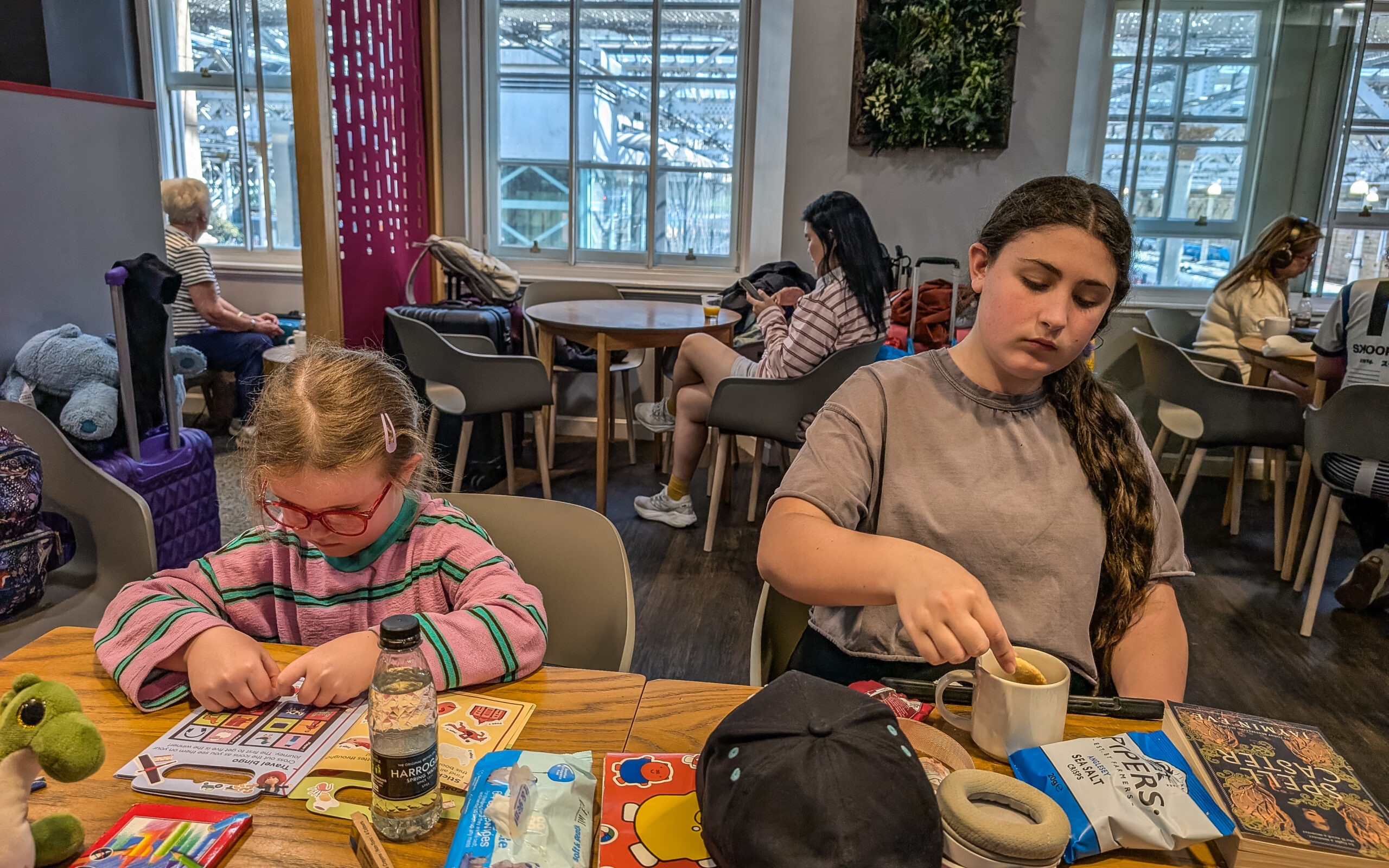
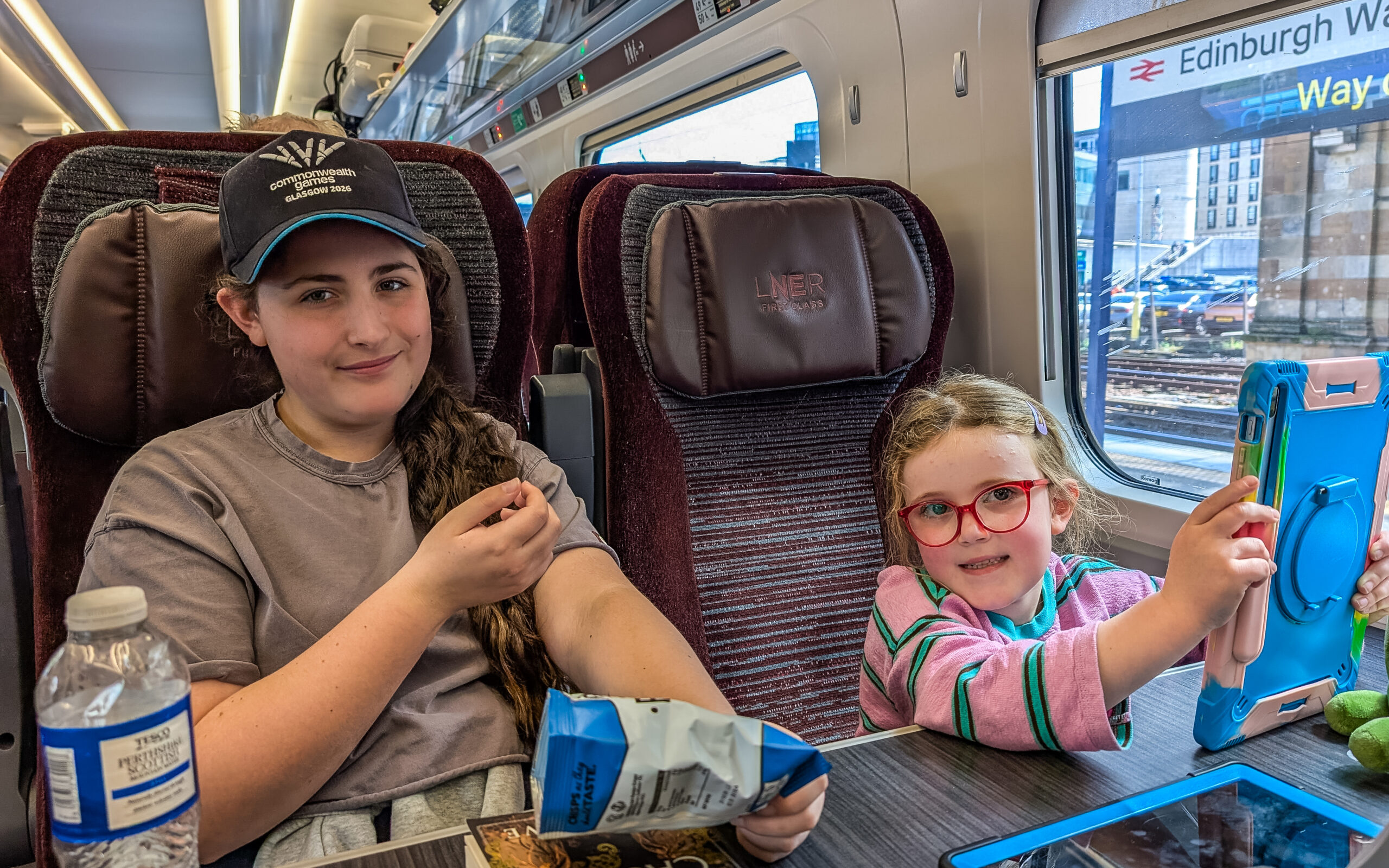
We had booked first class for the Edinburgh to York leg though, which meant a couple of hours in the lounge at Waverley beforehand. That went a long way towards making up for it, and it is the sort of small decision that changes the character of a travel day entirely.
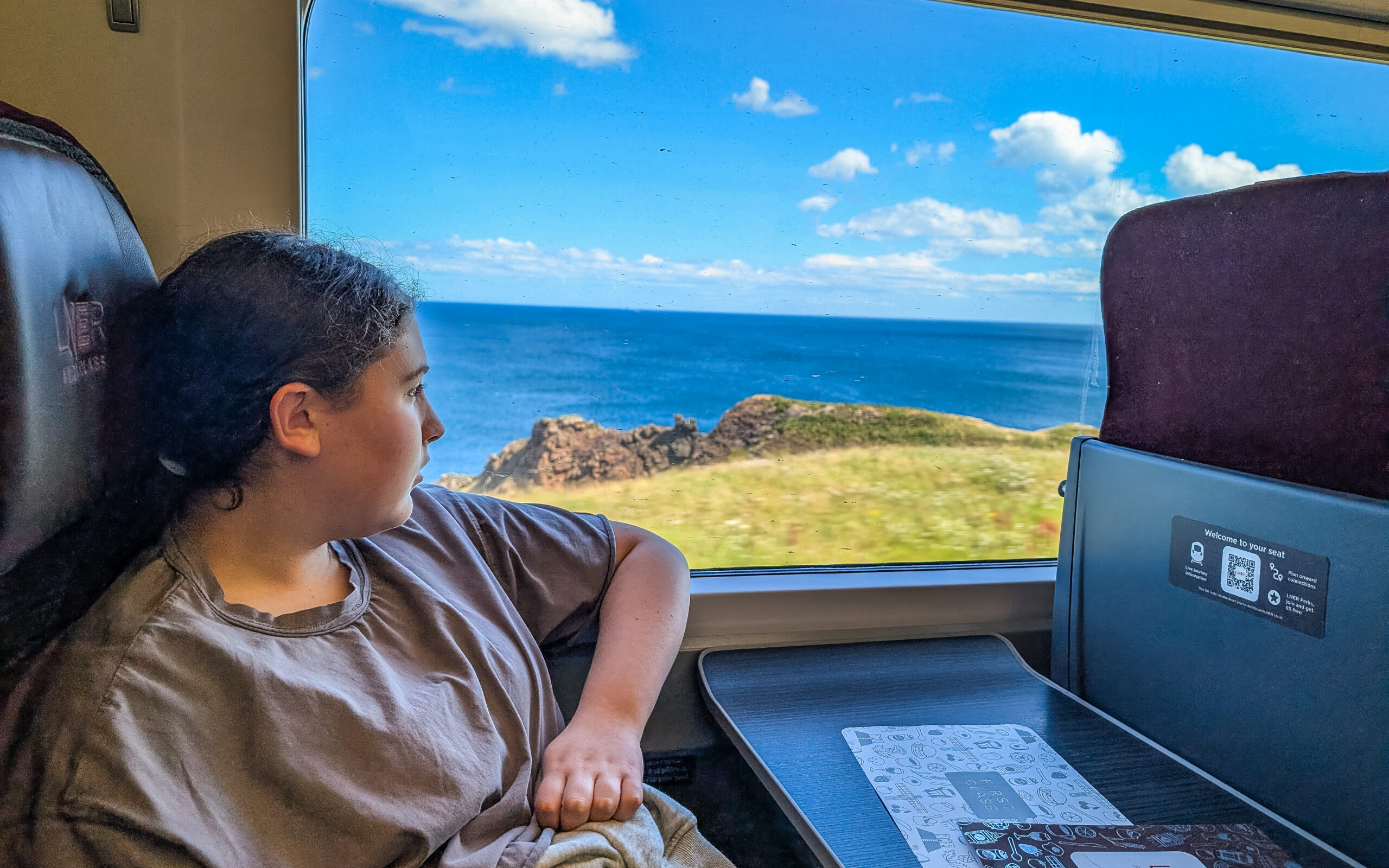
The run south was bittersweet. I made the same journey nine years ago and I had been looking forward for months to the girls seeing it. South of Edinburgh the East Coast line swings out to the coast and runs along the cliff edge above the North Sea, particularly around Berwick-upon-Tweed, where the track crosses the Royal Border Bridge and the water sits right there beside you. It is one of the great pieces of railway in Britain and you get it for the price of an ordinary ticket.
What I was less prepared for was the thought underneath it all. Somewhere in that stretch we crossed the border, and that was Scotland done. Two weeks of motorhome, the Storr, the Fairy Pools, Glen Coe, the Jacobite, the Games, all of it now behind us, and none of us knowing when we will next set foot on her shores.
The girls watched the sea. Gill and I sat with that for a while.
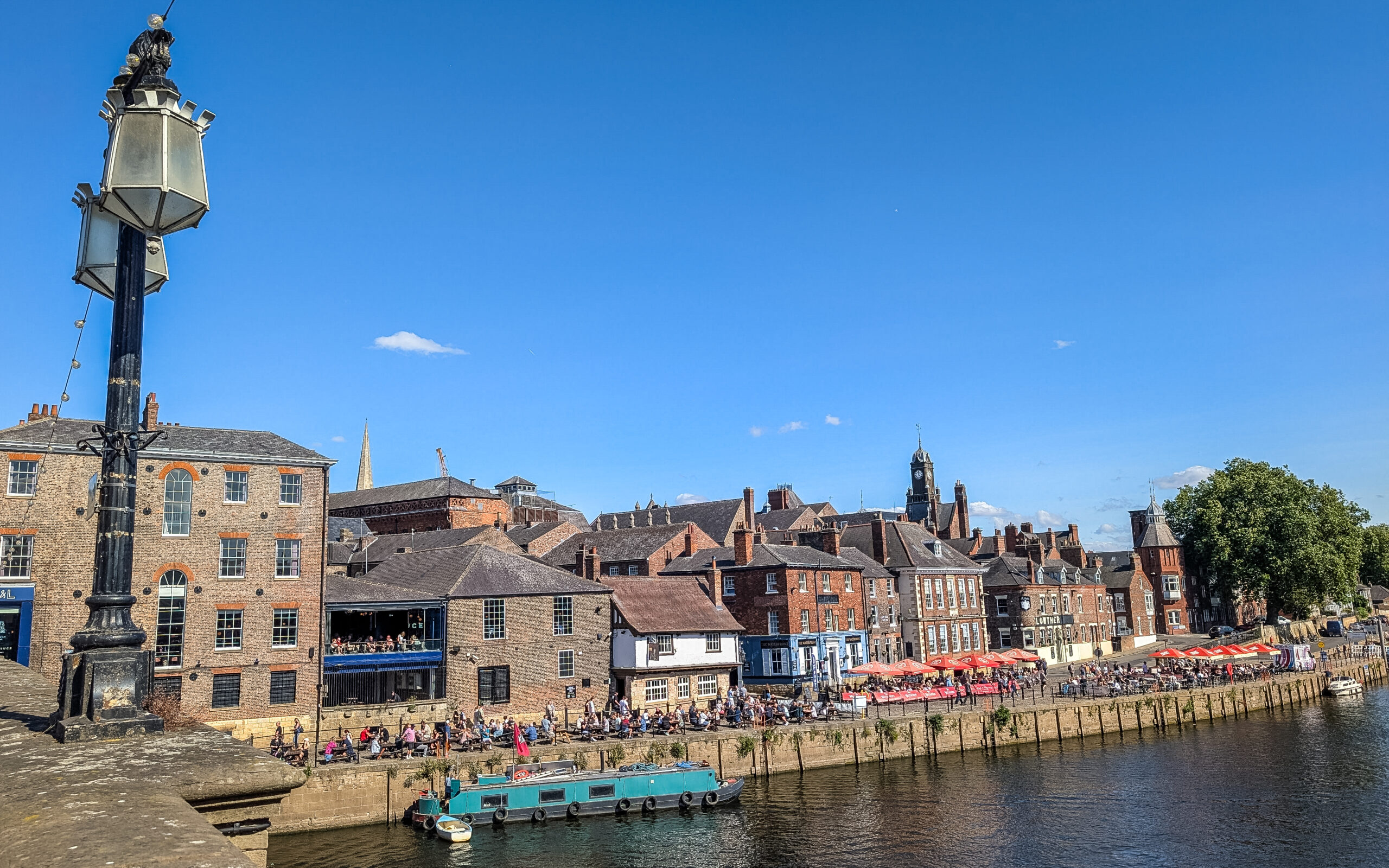
York did two jobs and it did both well. Practically, it broke the run down to London into two manageable pieces rather than one long haul at the end of a long trip. That matters more than people give it credit for when you are travelling with a six year old. The other job was simply that York is worth it. It is a small city that punches enormously above its weight, and an afternoon and evening there gives you more than a day in plenty of larger places.
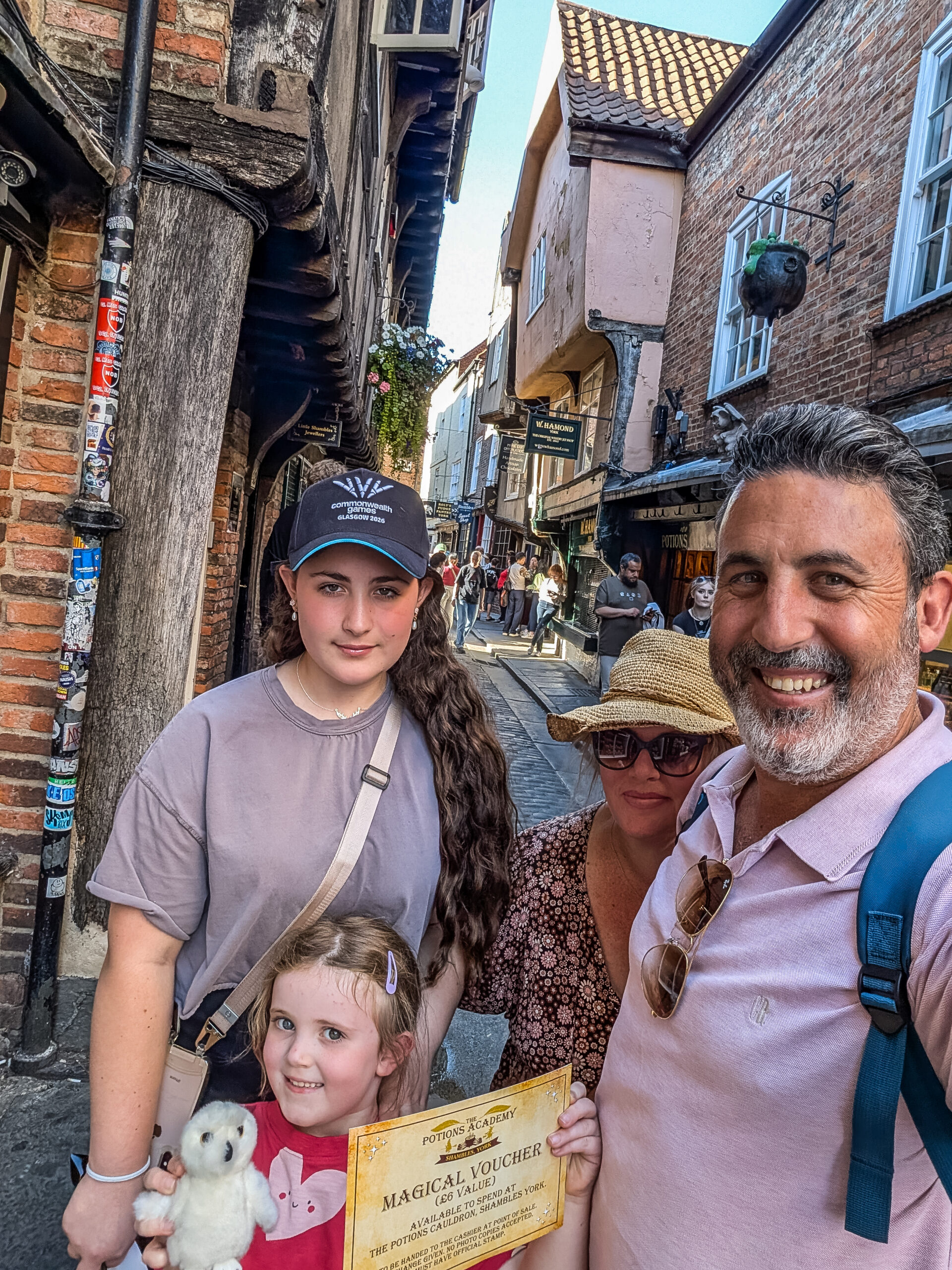
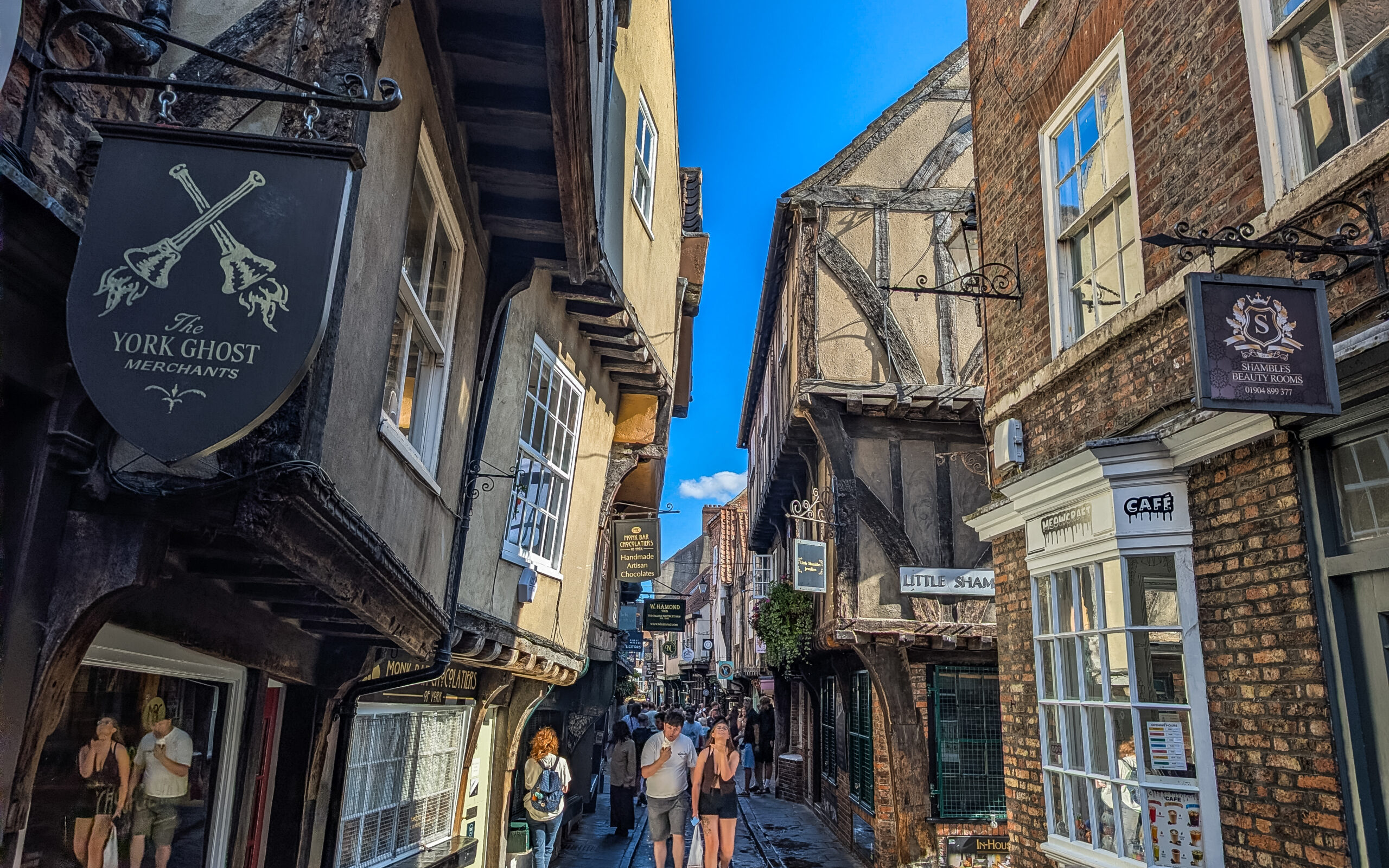
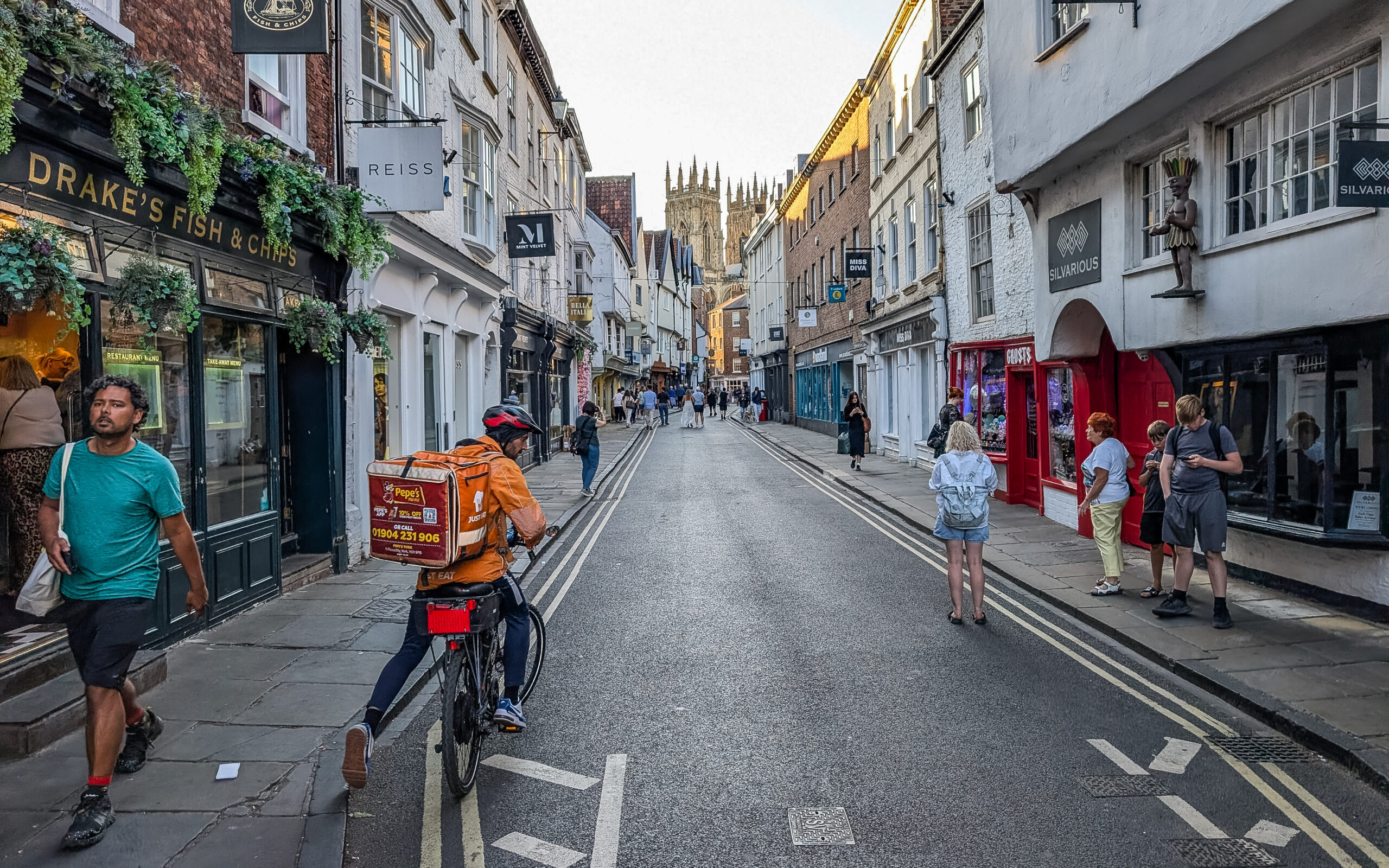
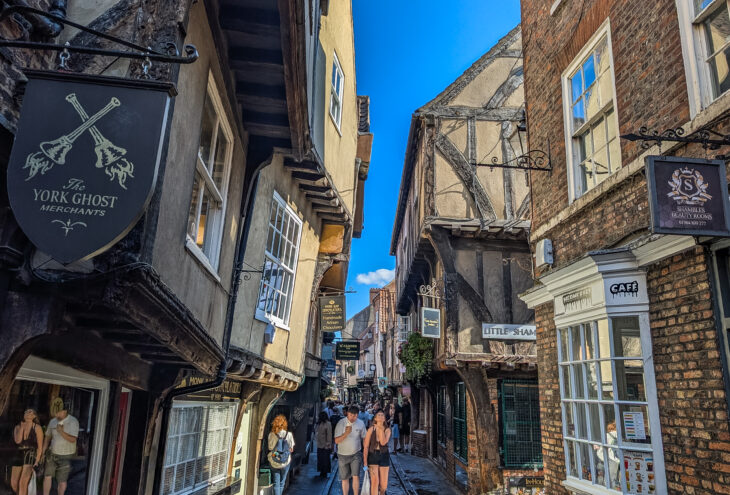
We walked the Shambles, which is the medieval street everyone comes for, all overhanging timber frontages leaning in towards each other until the upper floors nearly touch. The name comes from the butchers who once traded here, and you can still see the wide sills where meat was displayed if you know to look for them.
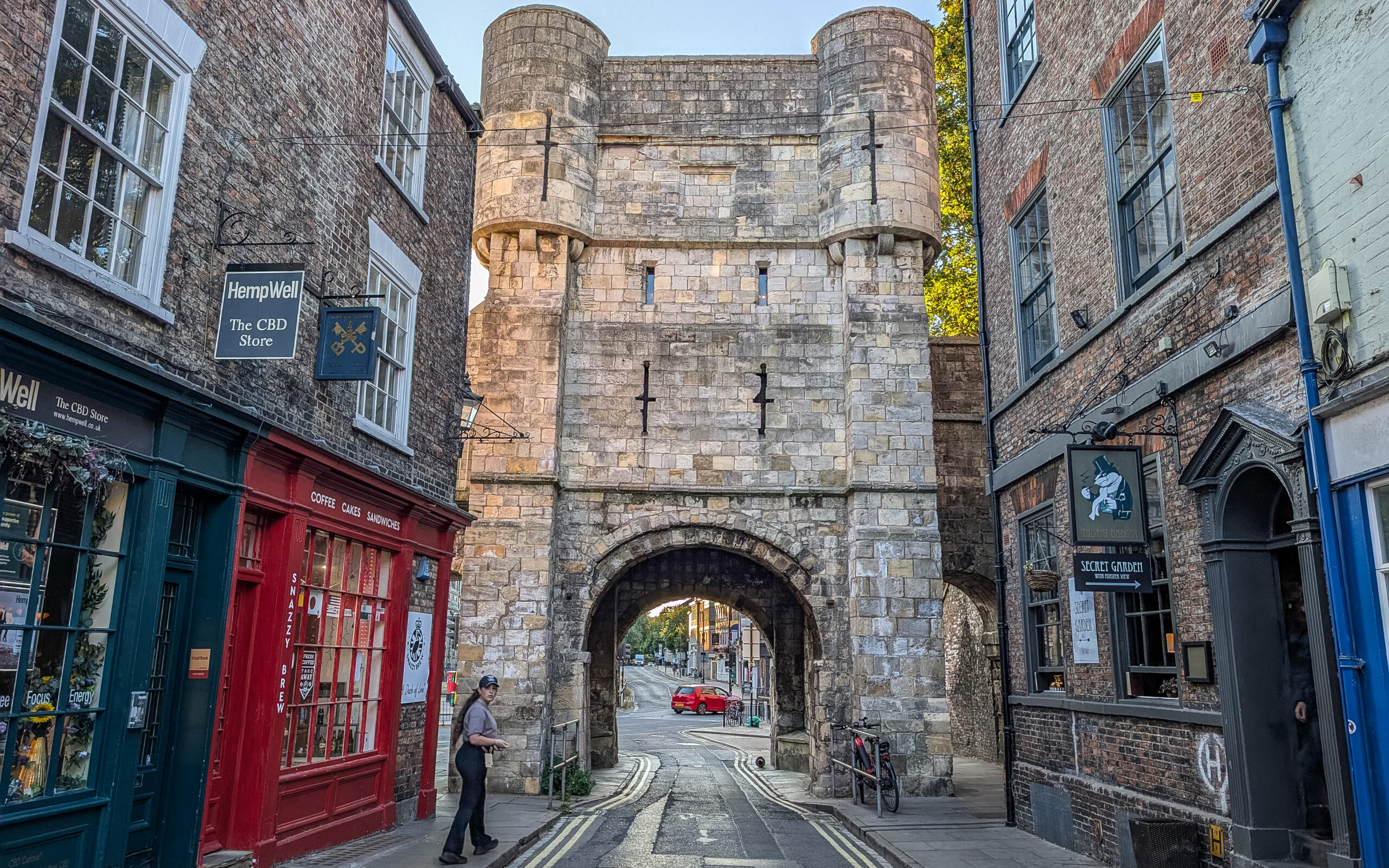
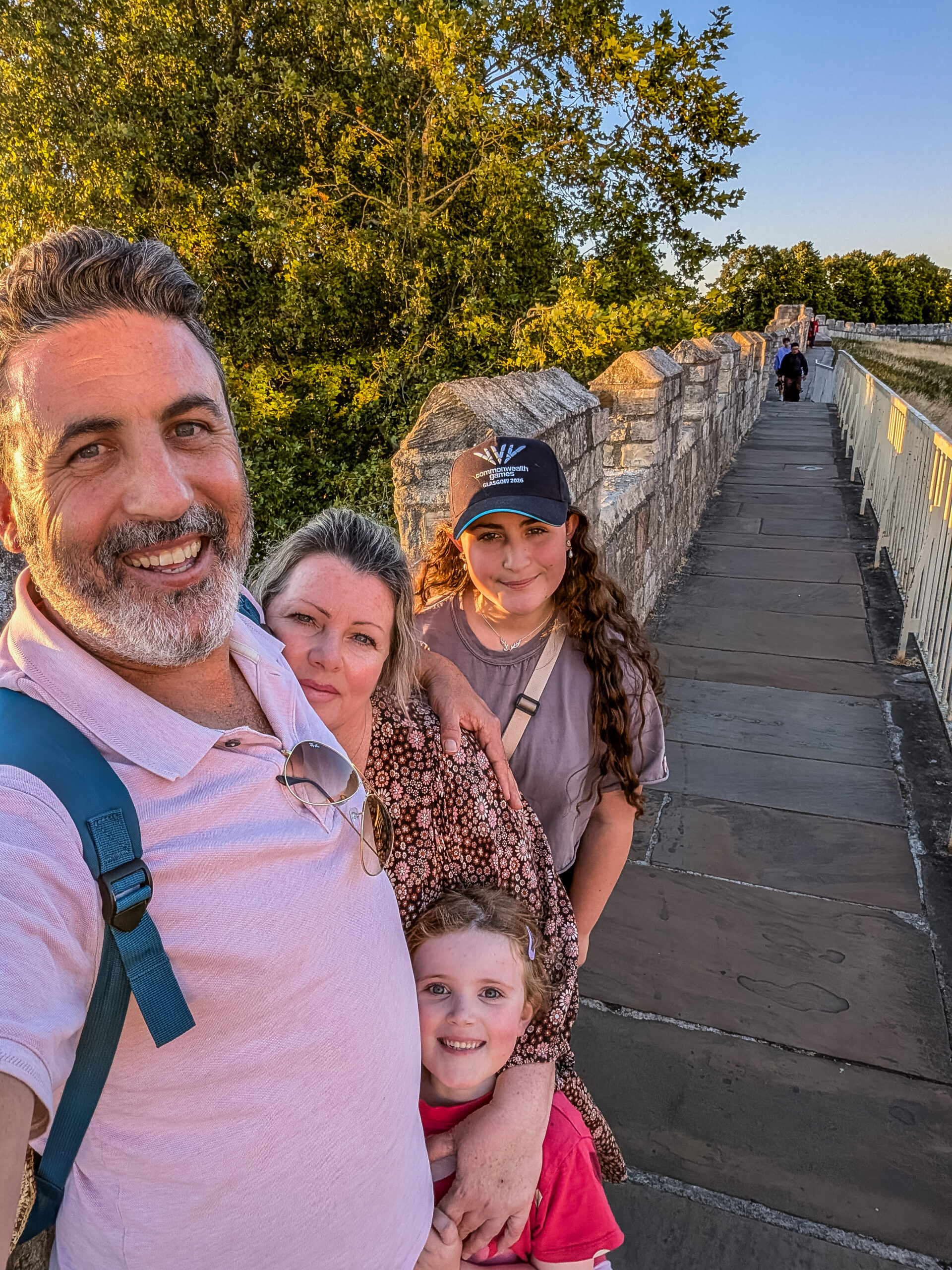
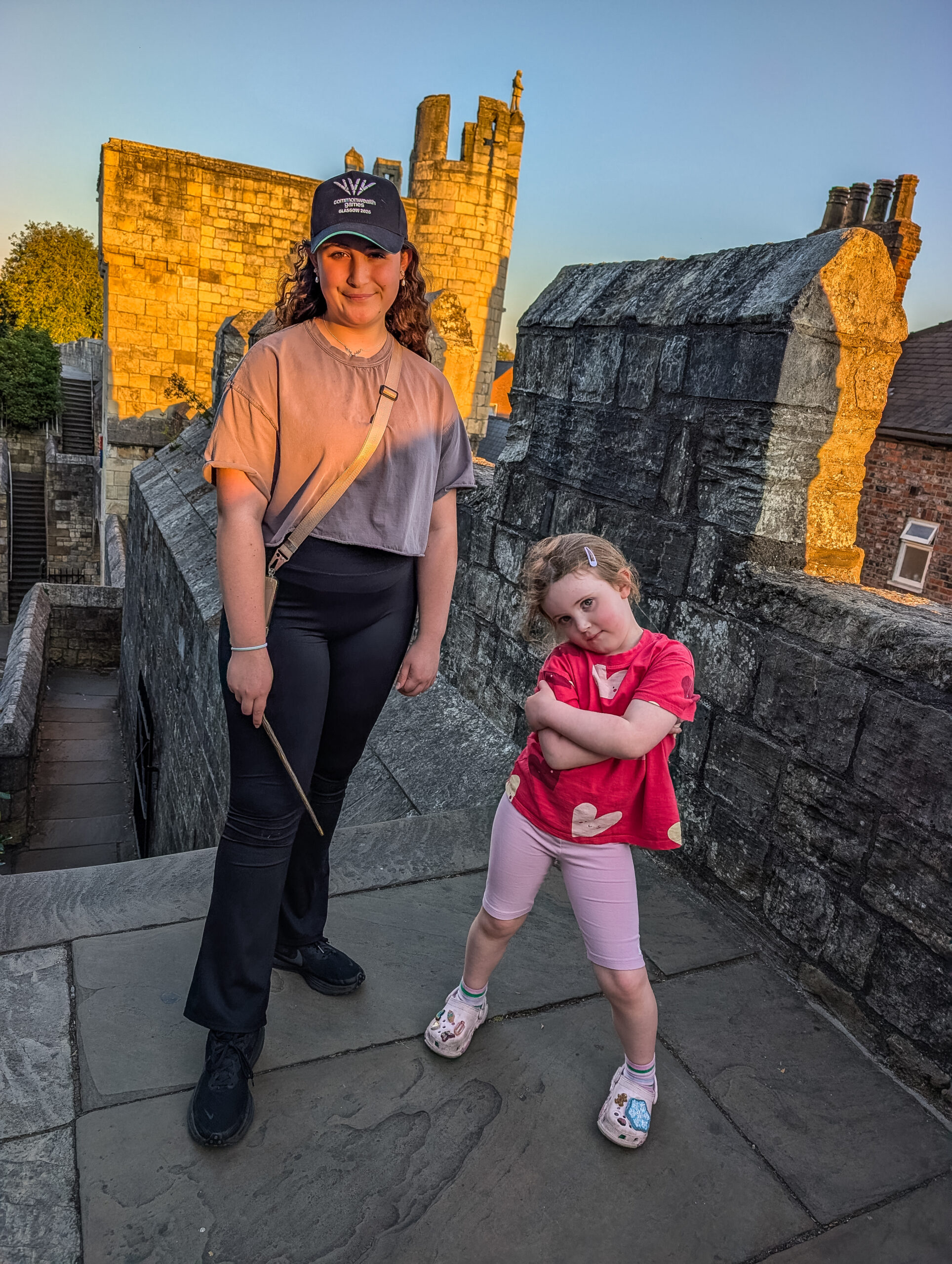
We also walked a stretch of the city walls. York has the most complete medieval city walls in England, running about 3.4 kilometres around the old city with four great gatehouses, or bars, still standing. Bootham, Monk, Walmgate and Micklegate. Walking a section of them is free, takes as long as you want it to, and gives you the city from an angle you simply do not get at street level. If you have an hour in York and cannot decide what to do with it, do this.
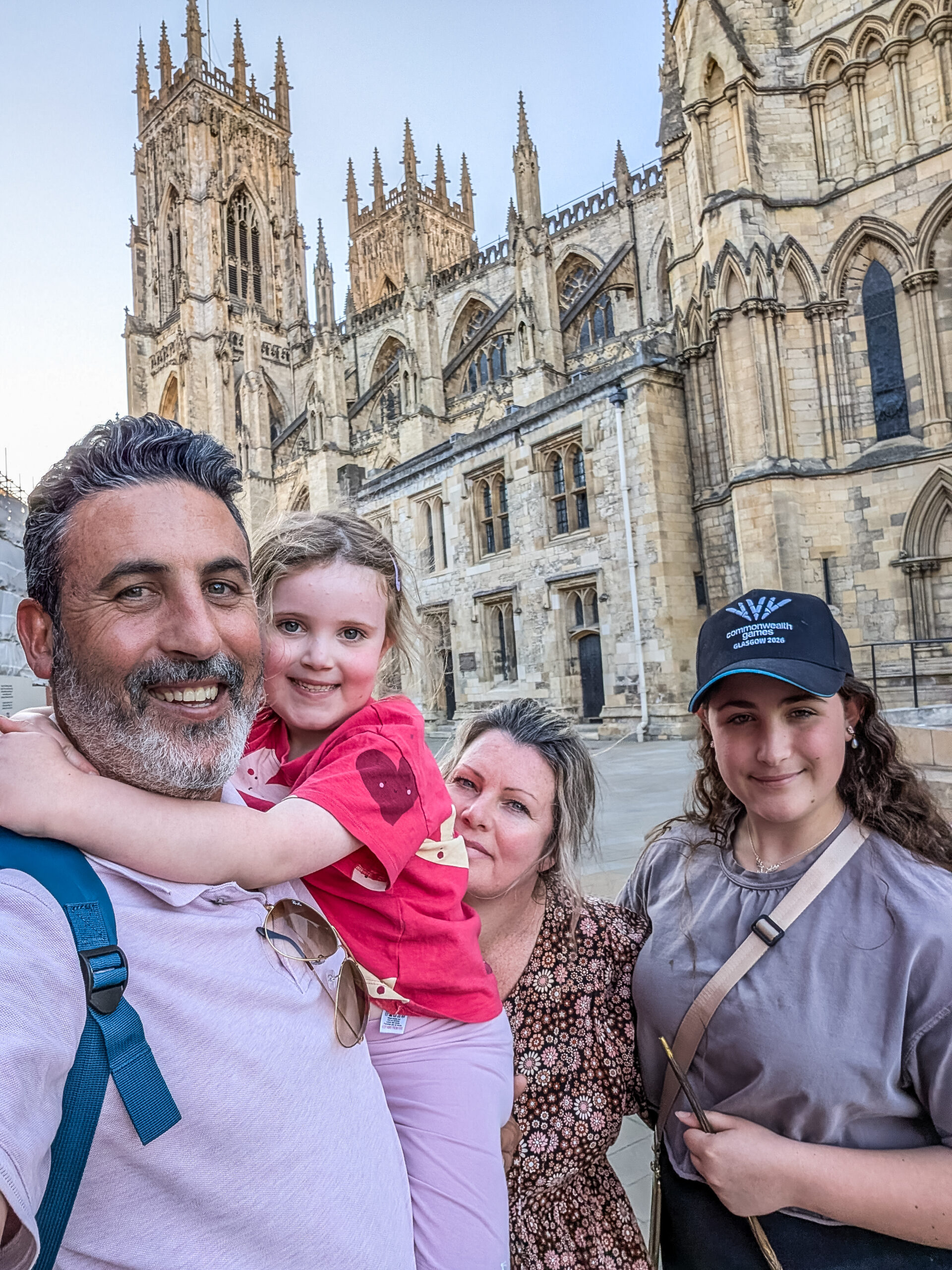
And then there is the Minster, which is one of those buildings that does not photograph. You have to stand under it.
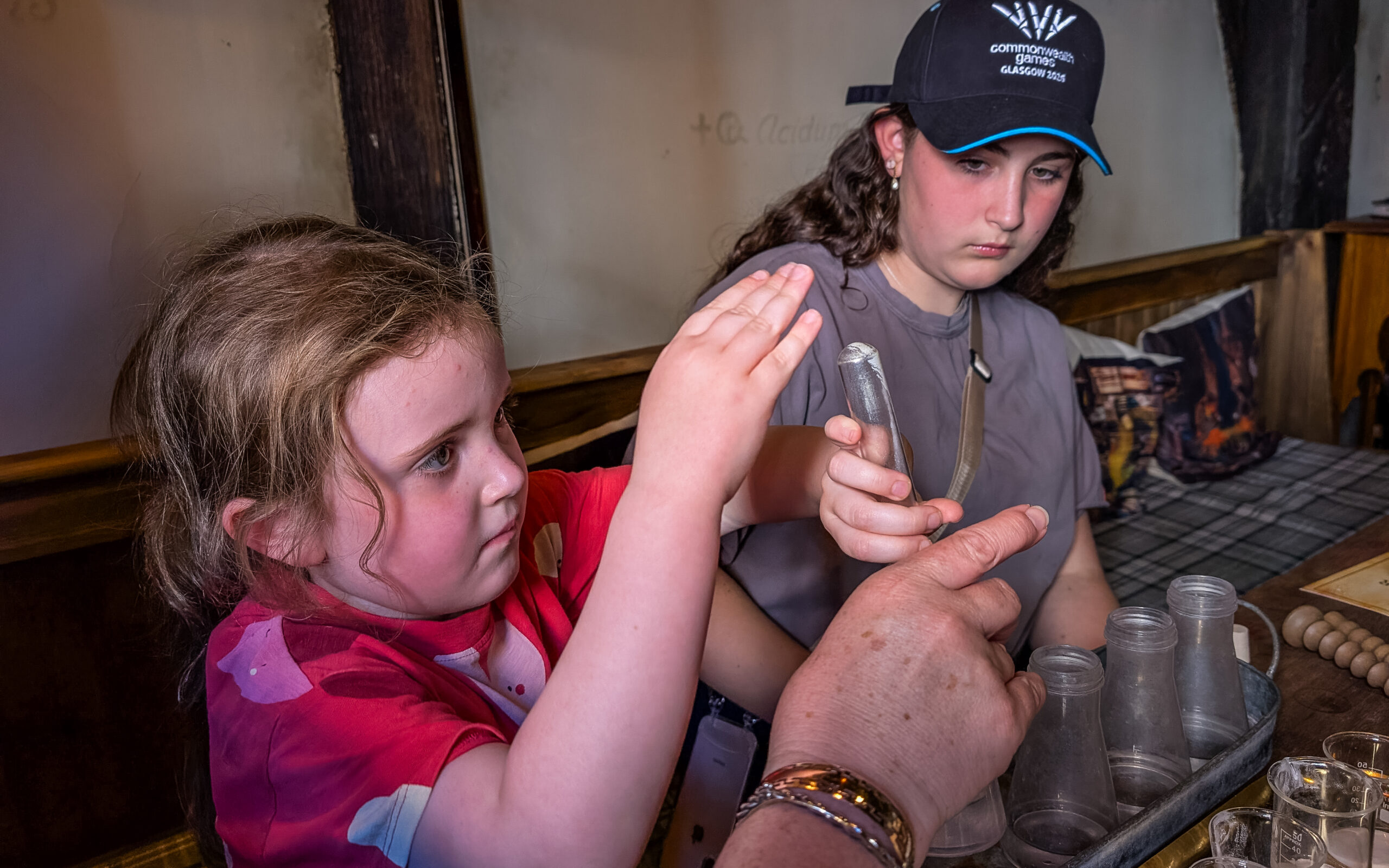
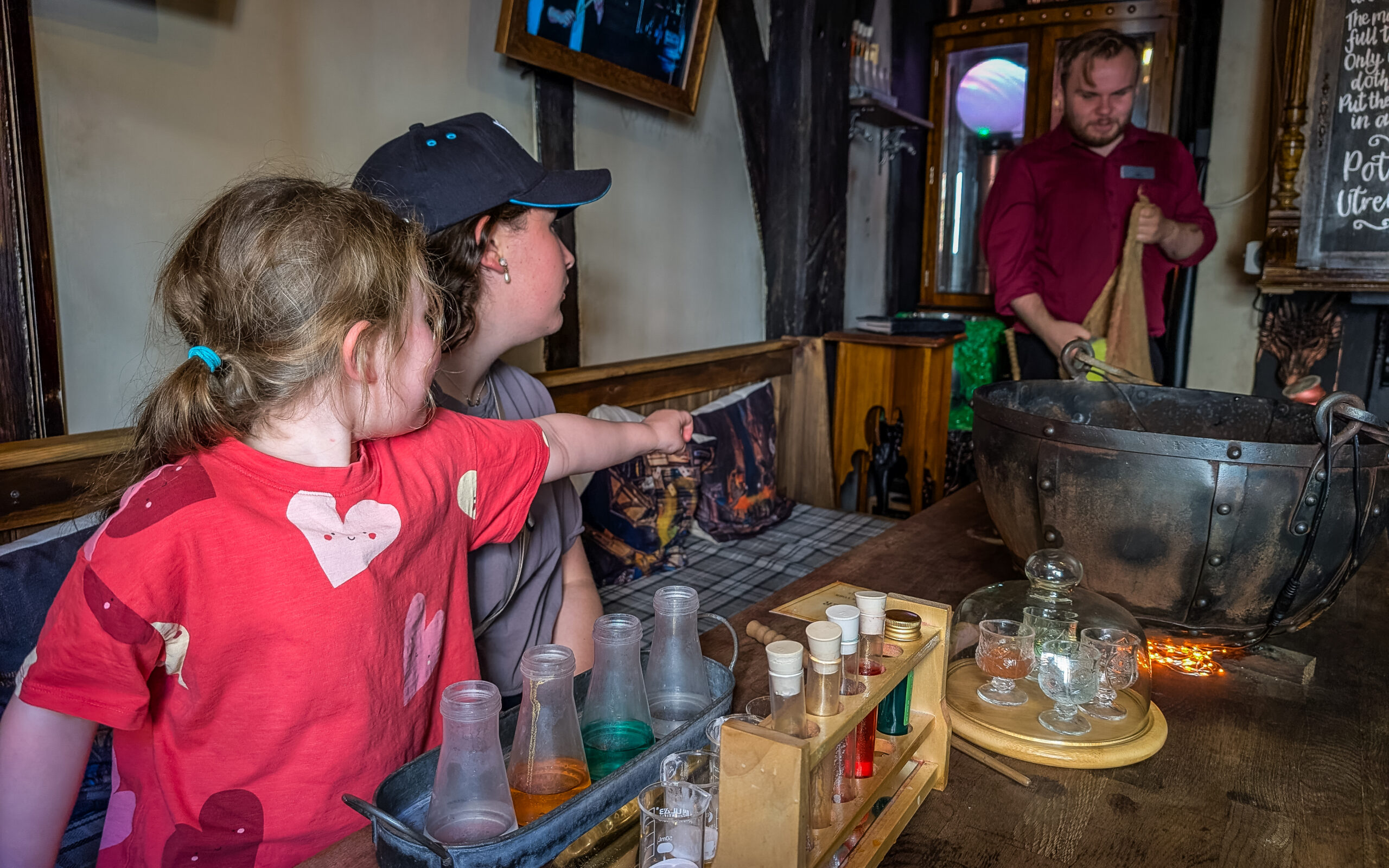
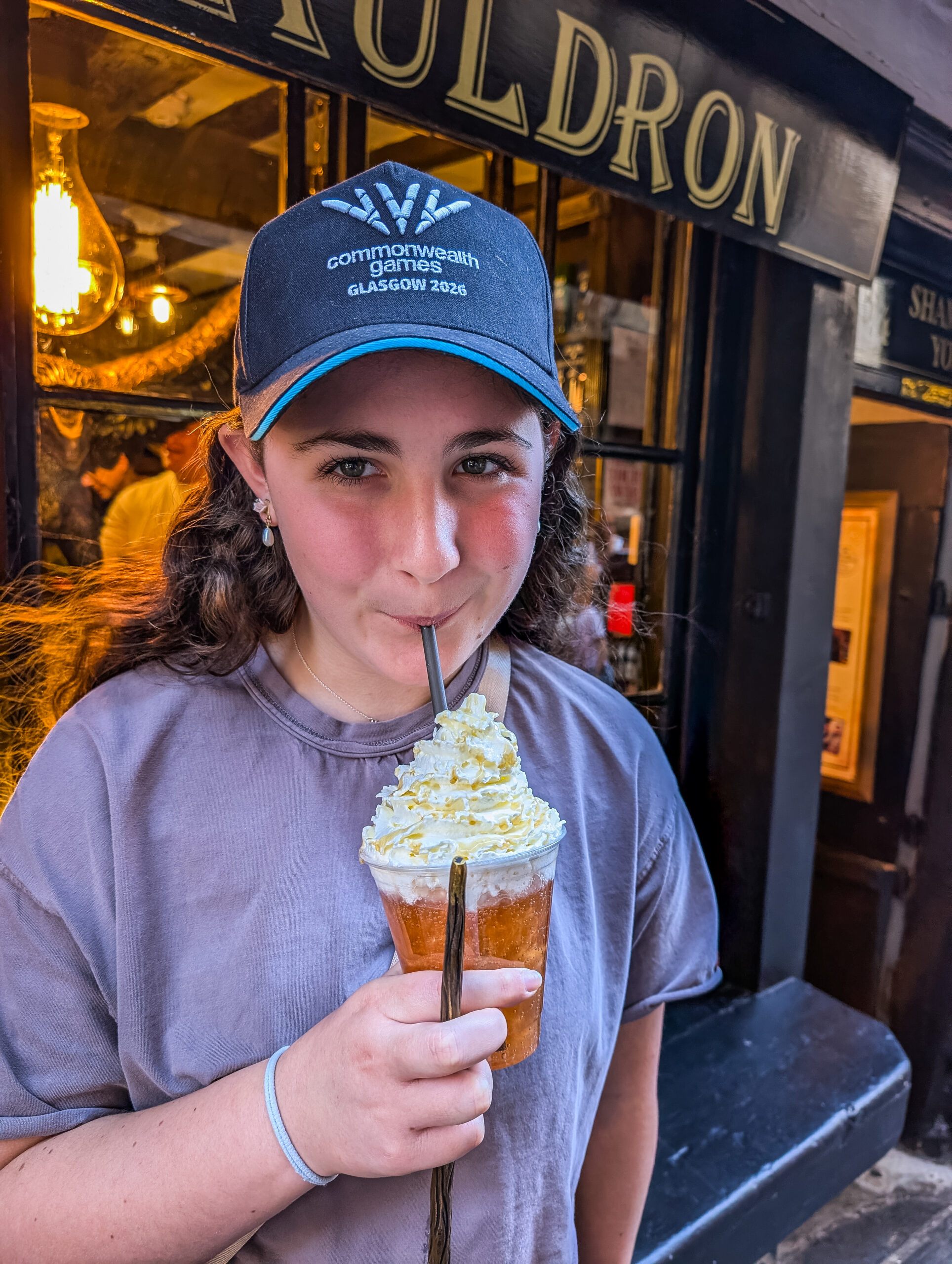
The girls did a potion making class at The Potions Cauldron, which sits at 9¾ The Shambles, an address that tells you exactly what you are in for. As far as Mirin was concerned this was the entire point of stopping in York, and she was not disappointed. Katherine finally got her hands on the Spellbound Butterscotch Beer she had been seeing all over her feed for months. It is the Cauldron's own non alcoholic brew, sold in York and Edinburgh, and it has become a small phenomenon in its own right. Verdict, delivered with some ceremony. Worth the wait.
It is easy to be sniffy about this sort of thing. Do not be. Watching a twelve year old and a six year old both fully committed to a bit of theatre, in a genuinely medieval street, is a good hour of anybody's holiday.
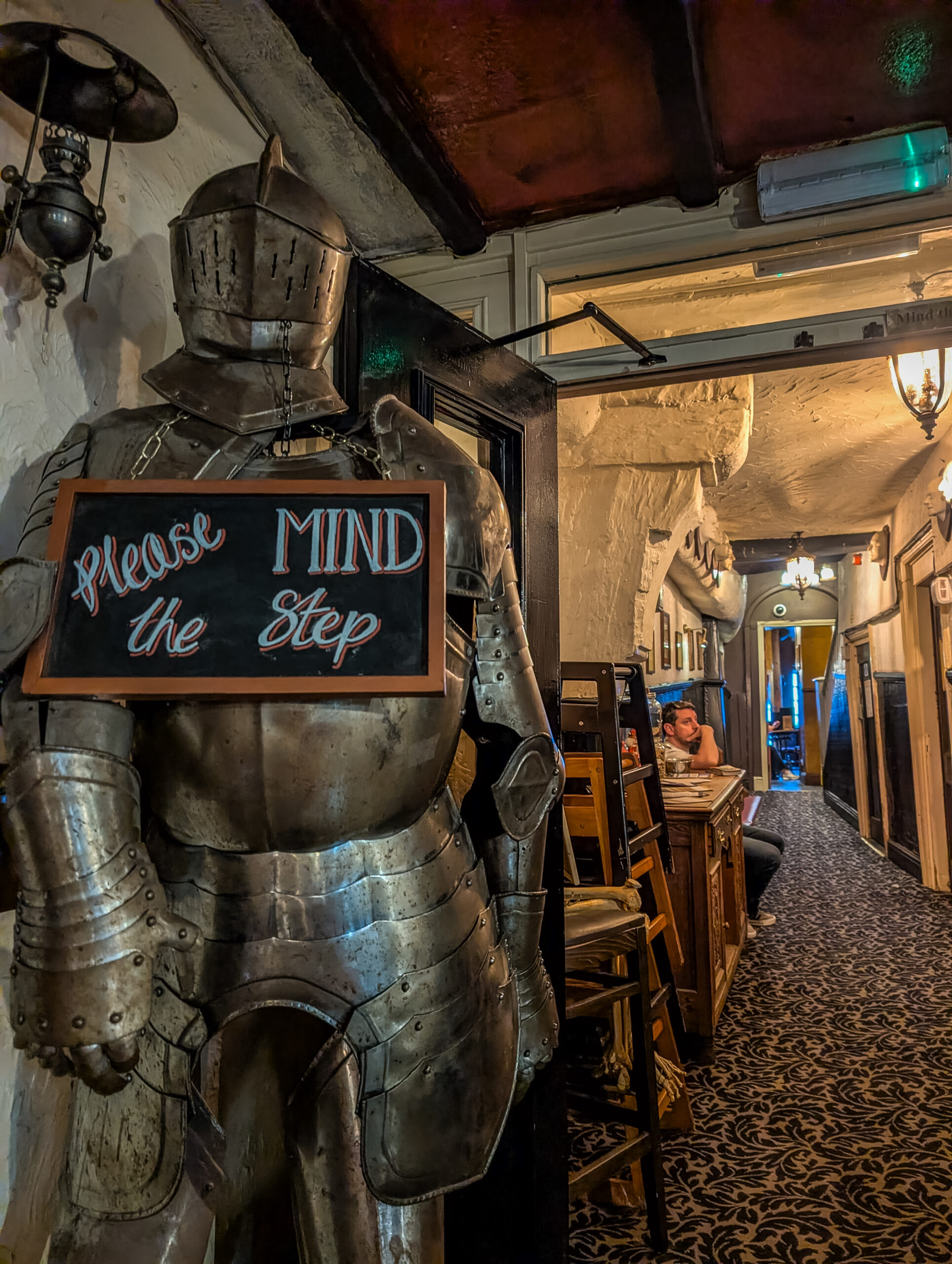
Dinner was at The Golden Fleece, at 16 Pavement, and it turned out to be one of the better evenings of the whole trip. It is one of York's oldest surviving inns, first recorded in the city archives in 1503, and Grade II listed since 1983. Here is the detail that makes it. The original building went up on stilts without solid foundations. Five hundred years of settling later, there is not a single flat floor in the entire place. Everything leans. You put a glass down and watch it think about moving. Doorways are not square. The stairs have opinions.
Add suits of armour, low beams, a fire, and the din of a packed pub on a summer evening, and you have exactly the sort of night that does not happen at home. It also has a reputation as one of the most haunted pubs in Britain, which the girls found considerably more entertaining than Gill did.