Stirling and surrounds gave us one memorable day. Fair warning, there is Outlander content within.
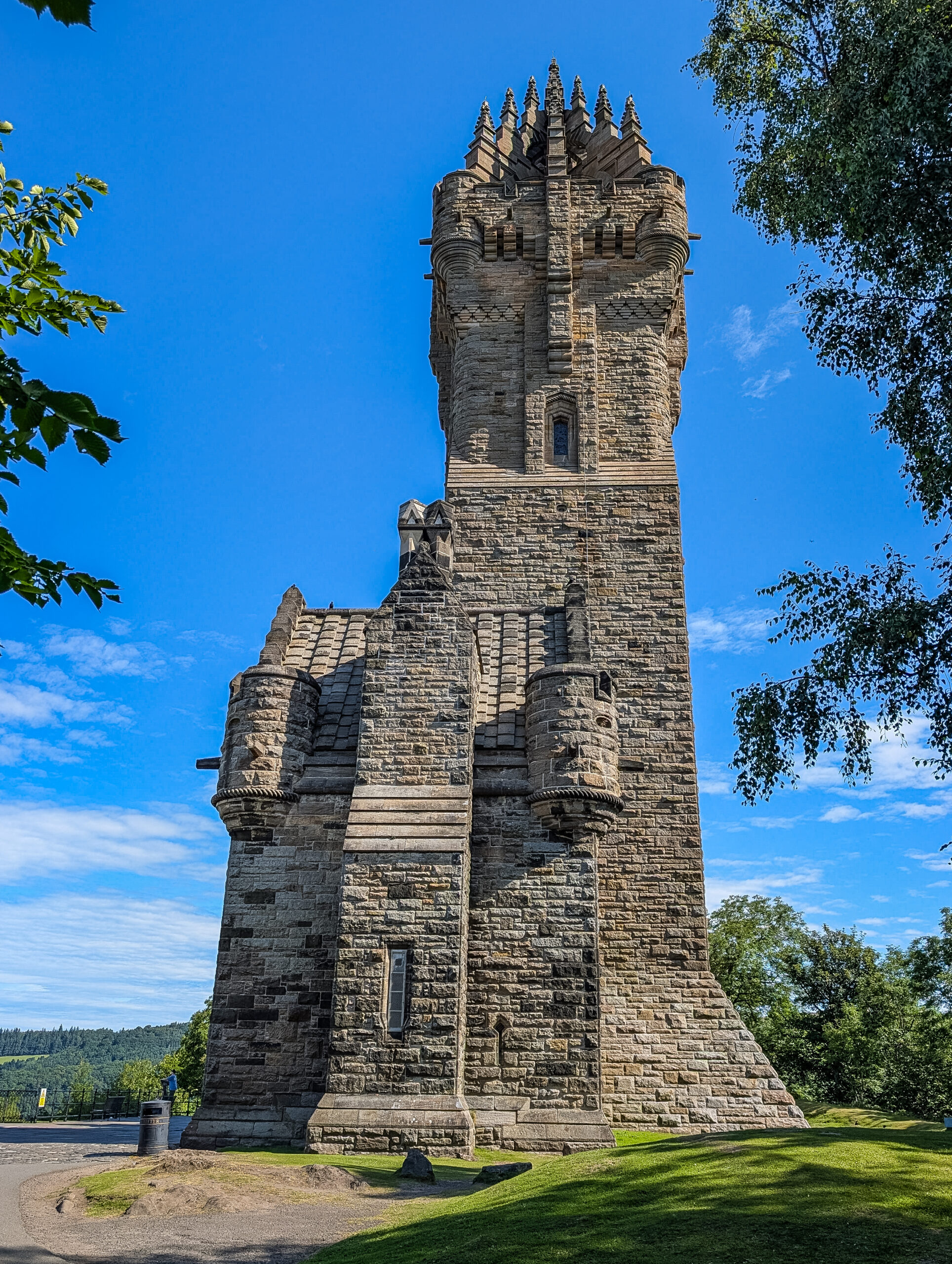
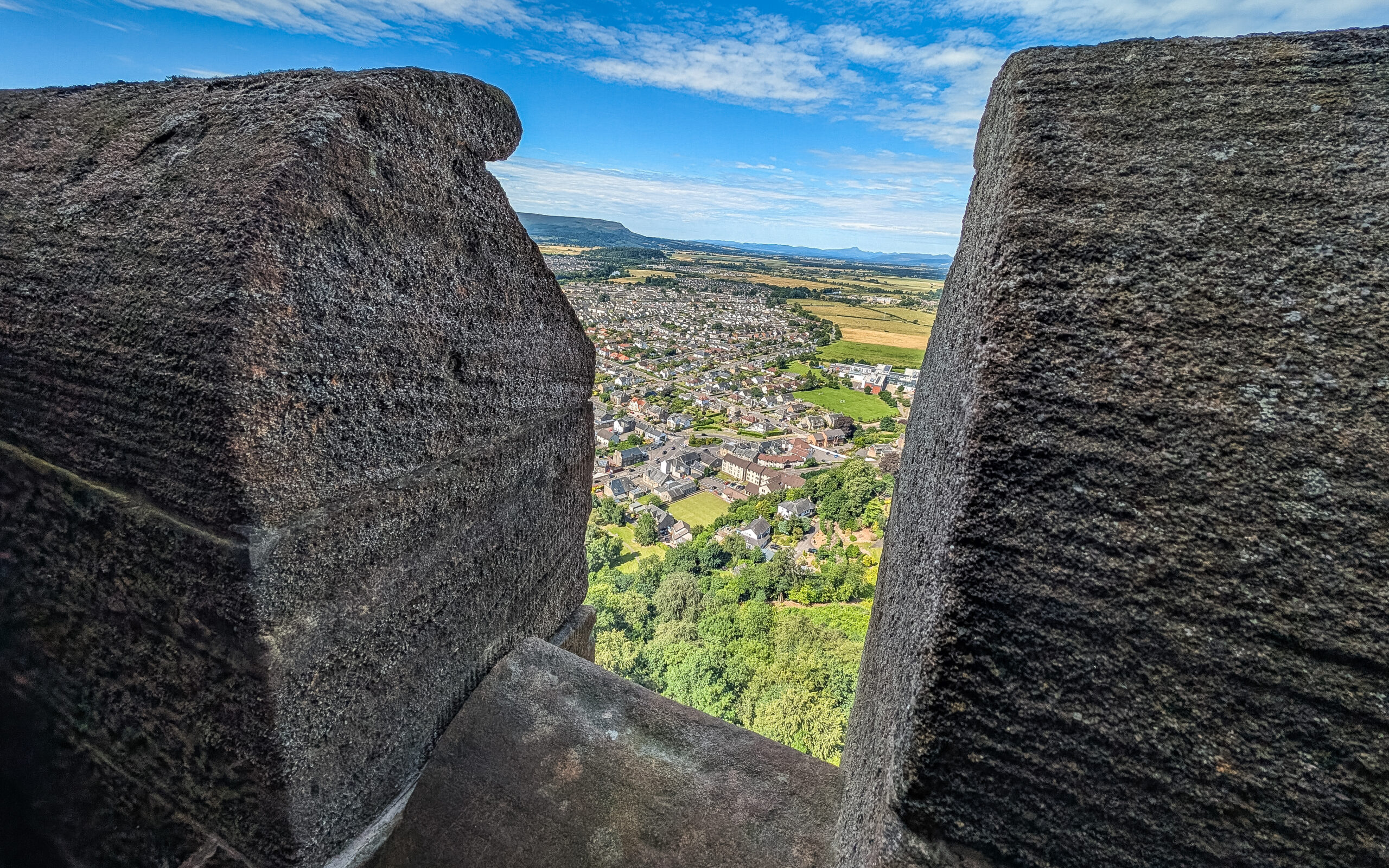
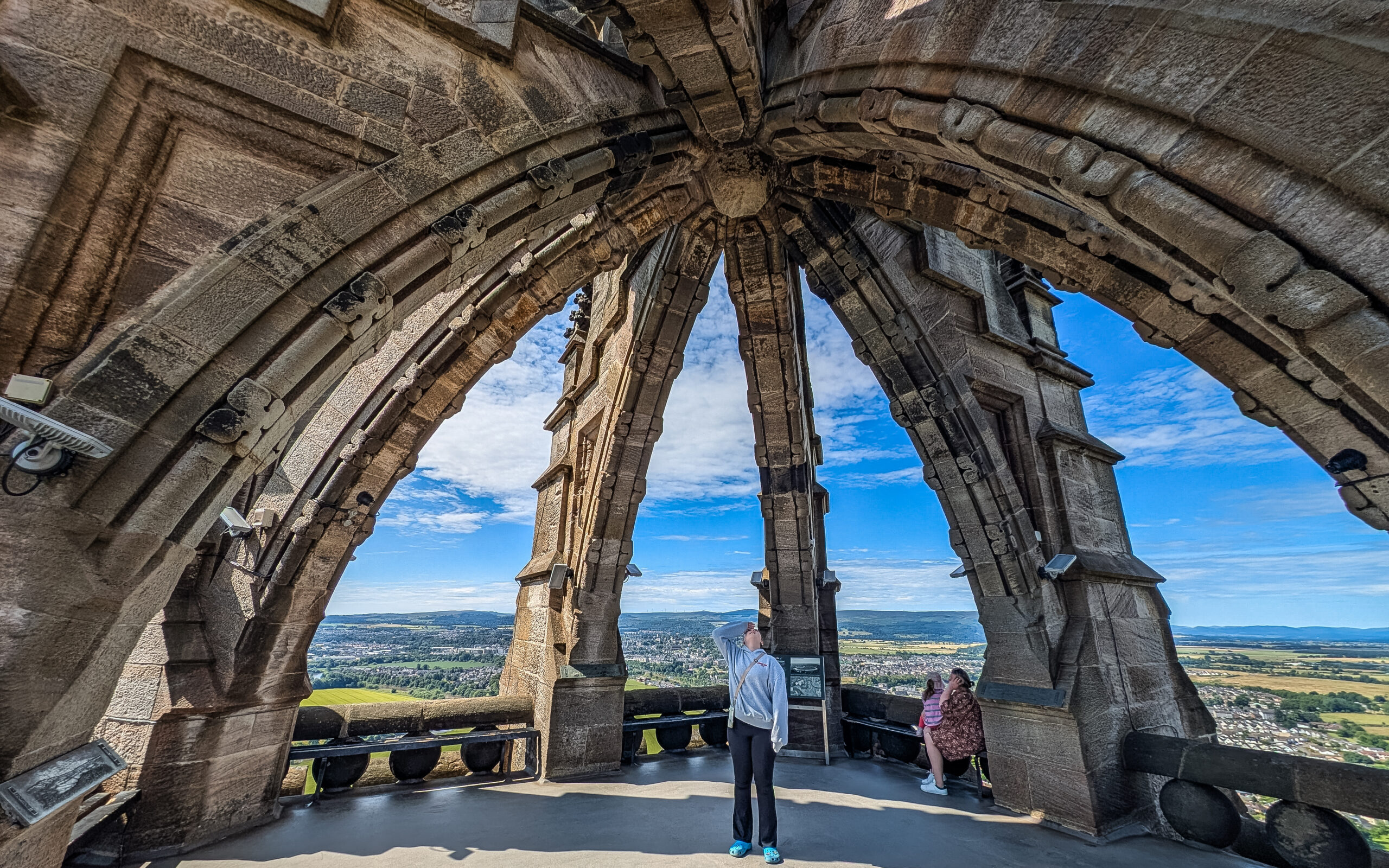
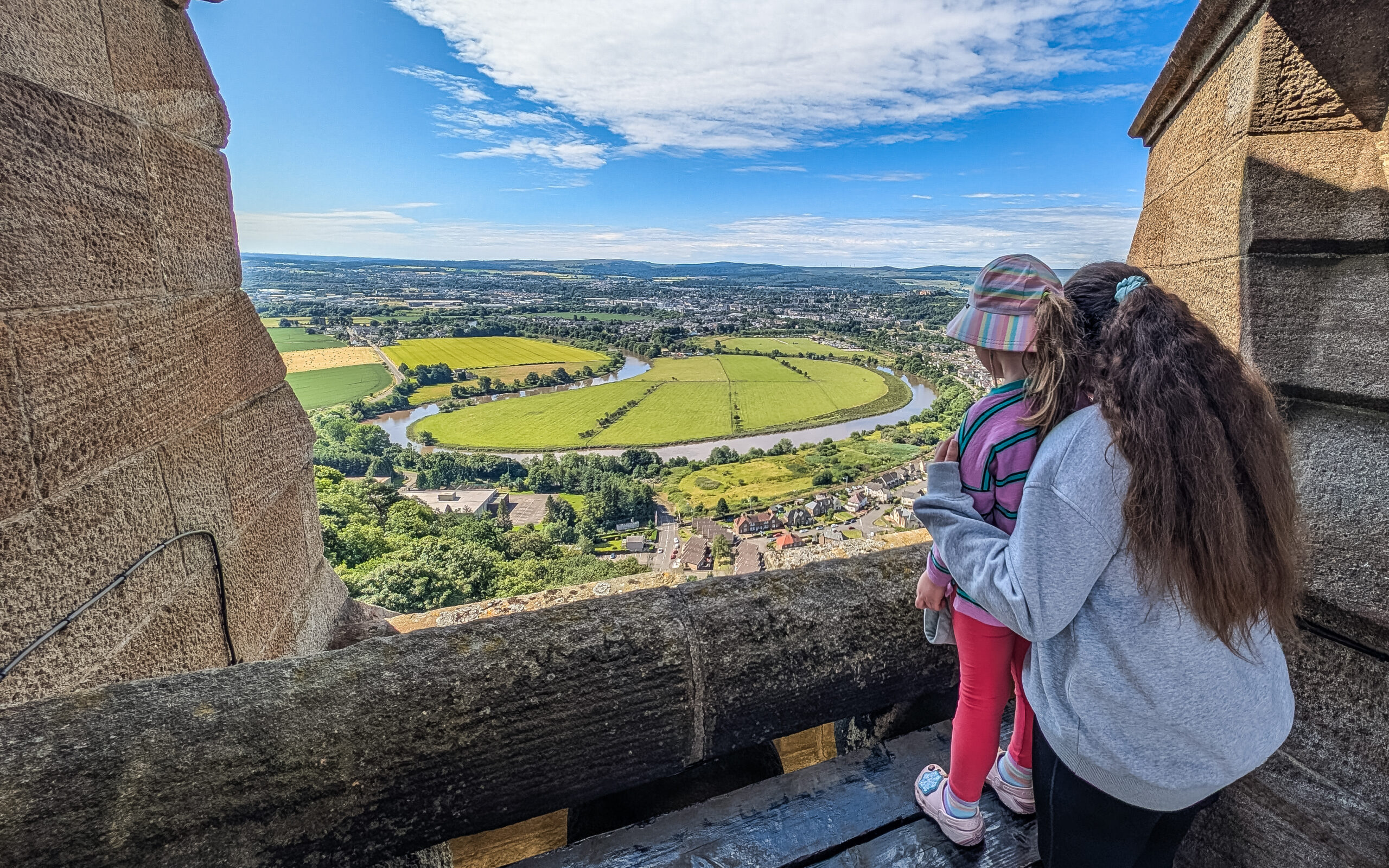
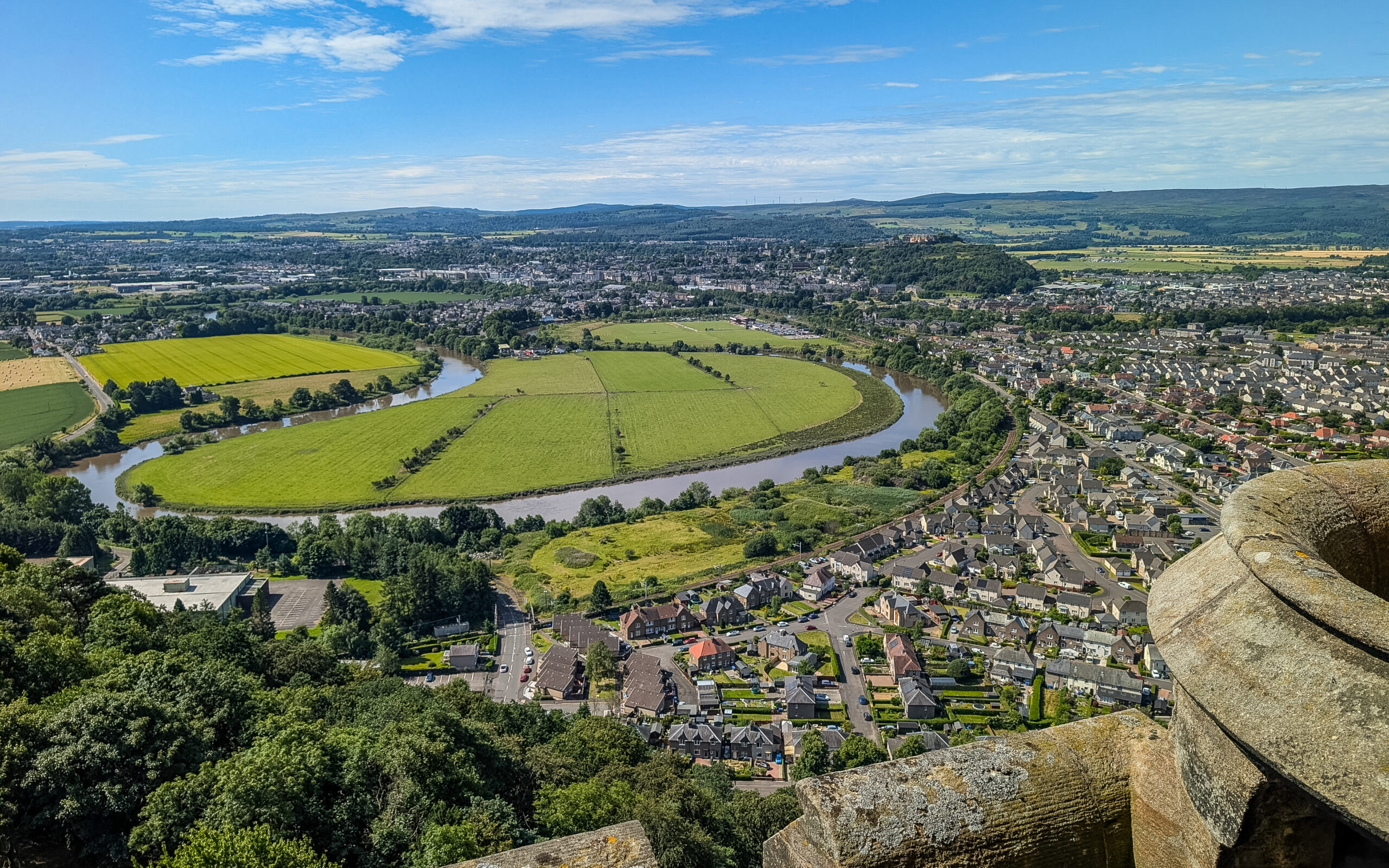
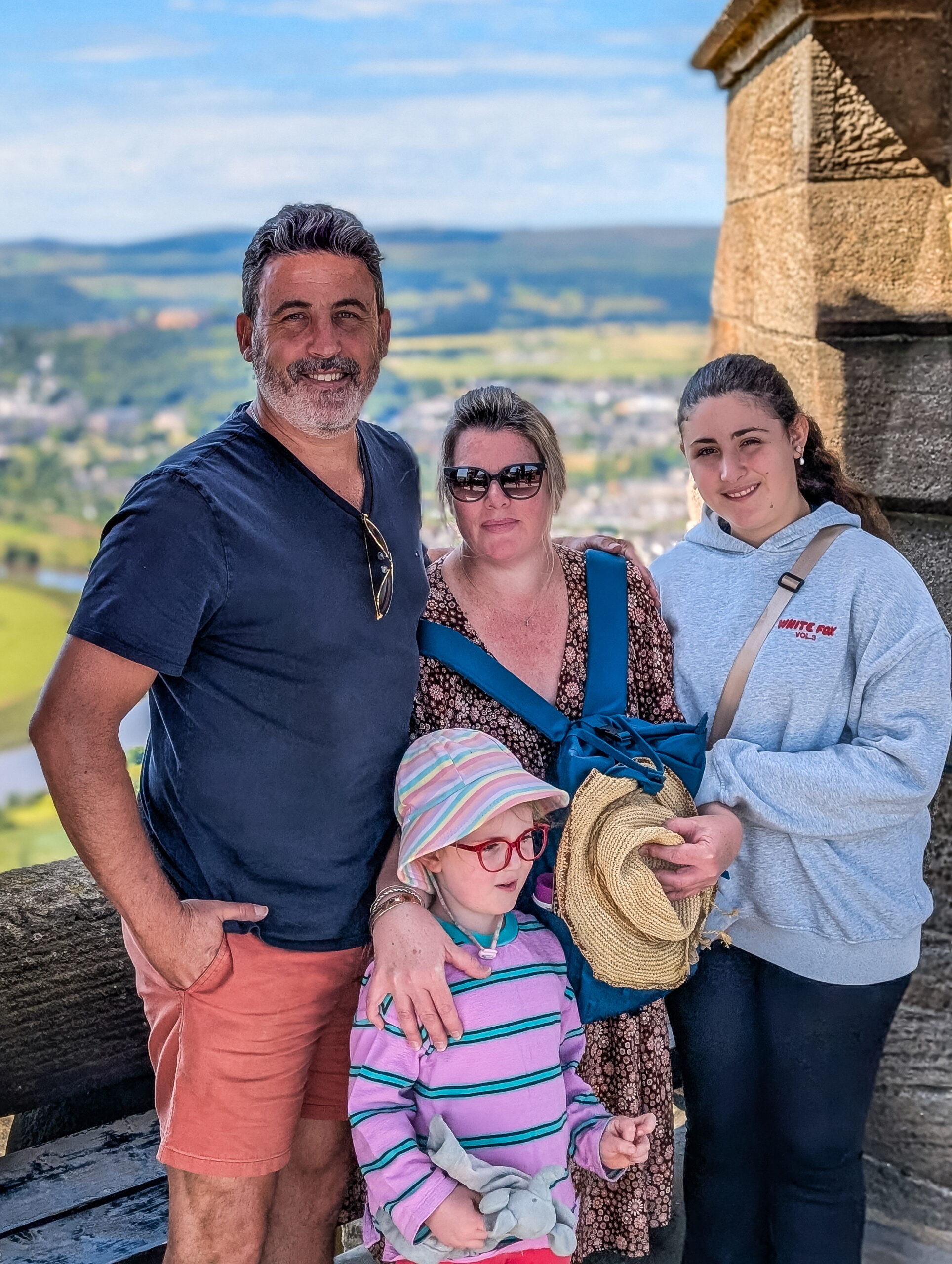
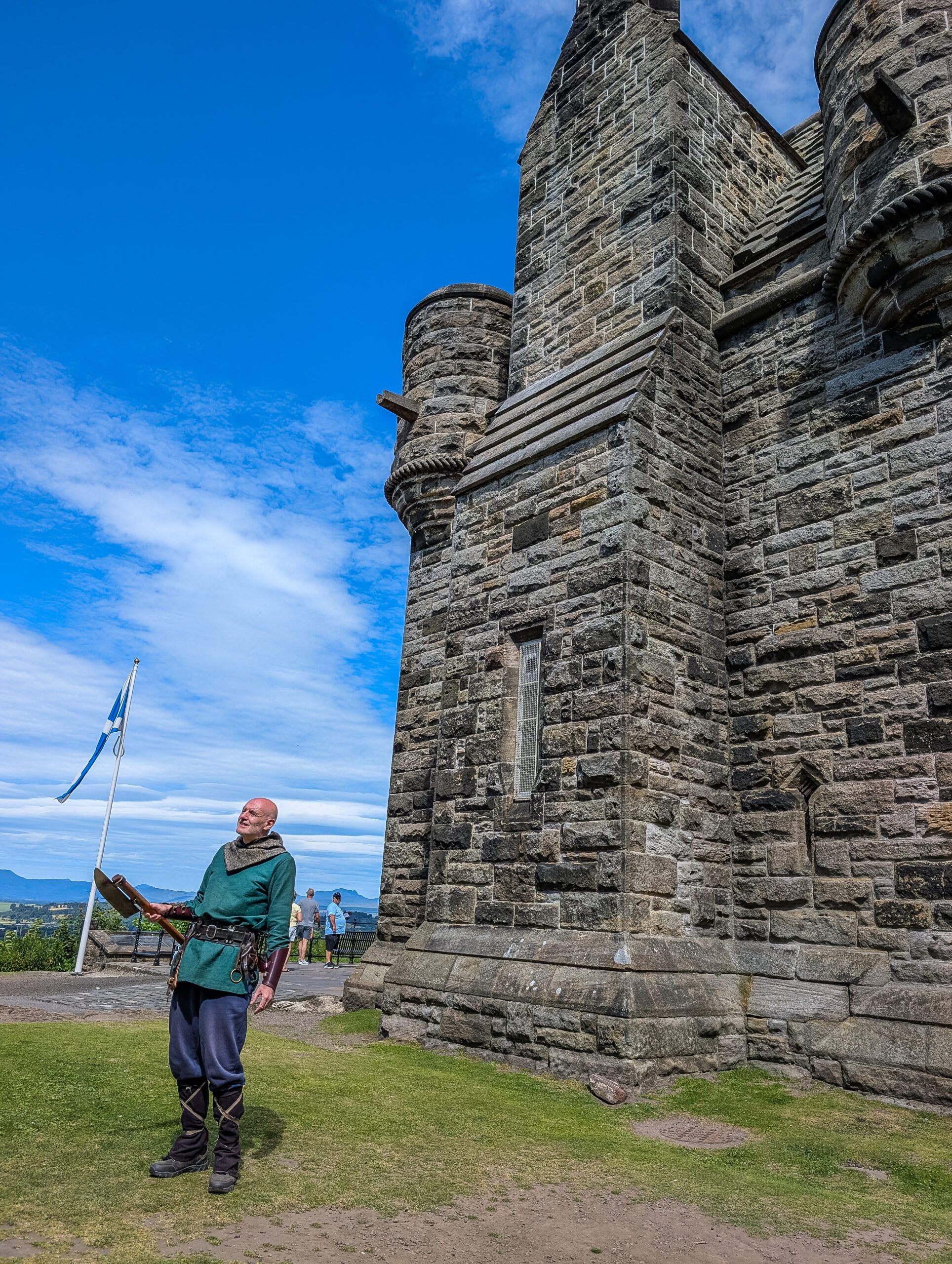
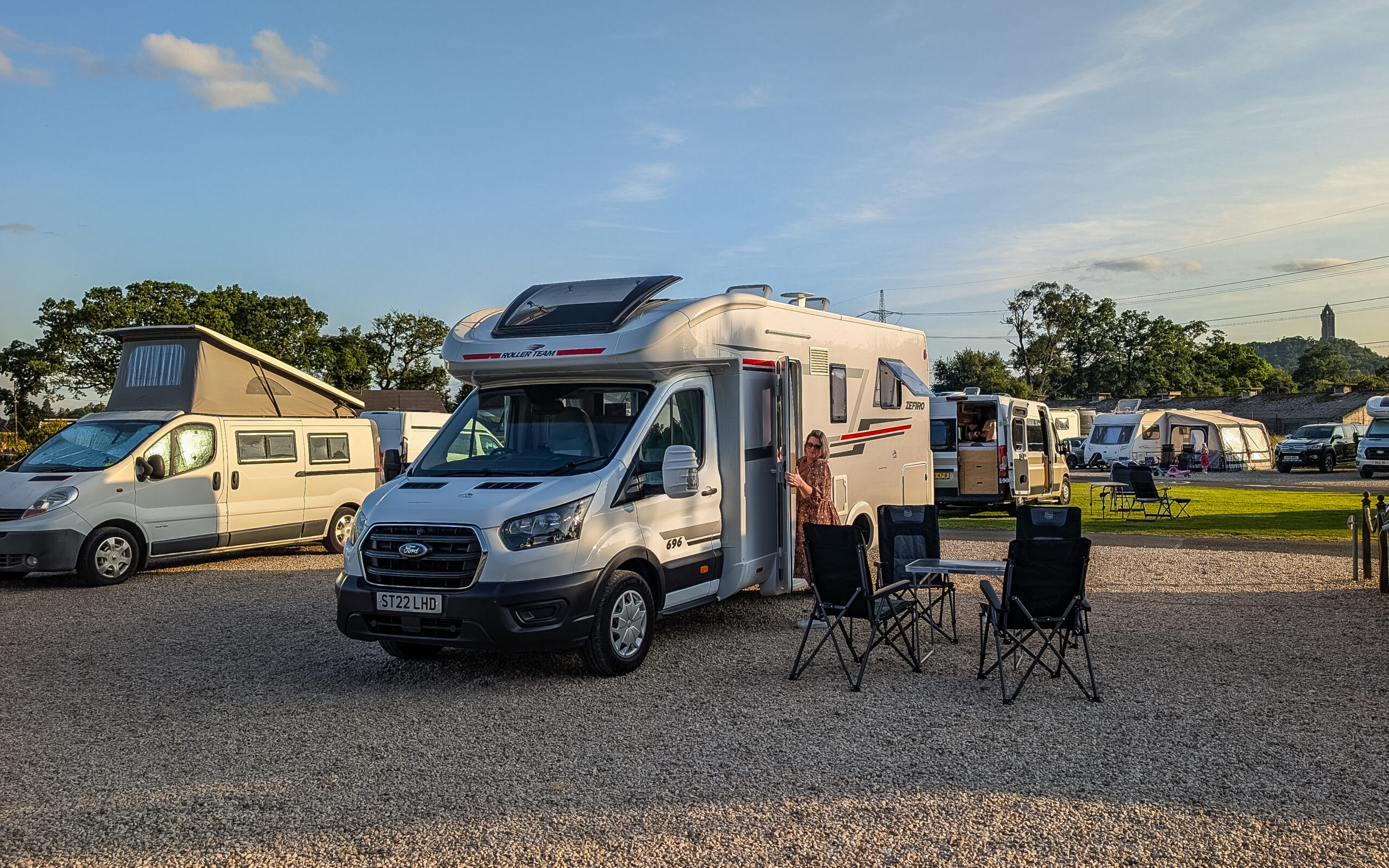
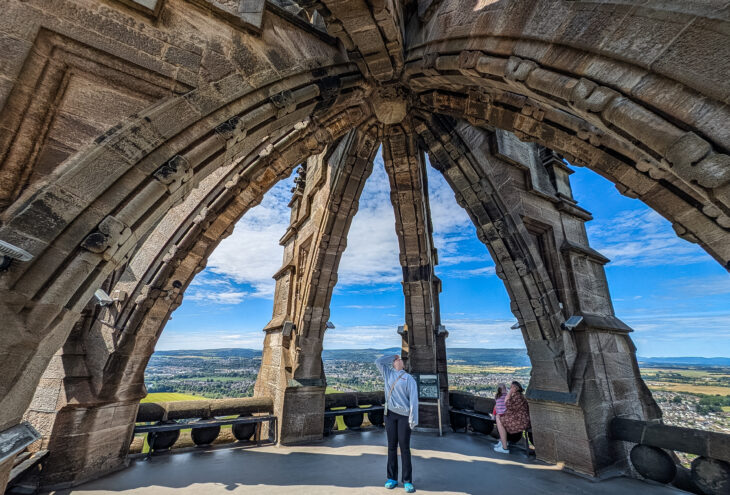
We started at the National Wallace Monument, the Victorian Gothic tower finished in 1869 on top of Abbey Craig, which we had been able to see in the distance from our camp the night before. It is 67 metres high with 246 steps up a spiral staircase that gets narrower the higher you go, to the point where the last stretch has you turning your shoulders to fit. I had not expected much beyond a nice view. What you actually get at the top is a stone crown open to the sky on all sides, arches rising to a point above you, and the whole Forth Valley laid out below with the river coiling around in great loops and Stirling Castle sitting on its rock in the distance. It felt like standing on top of Saruman's tower. Genuinely the most striking viewing platform I have stood on. From up there you look straight down at the ground where Wallace and Andrew de Moray beat Edward I's army at Stirling Bridge on 11 September 1297, and the reason they won is obvious the moment you see it from that height. The English had to funnel across a narrow wooden bridge to reach the Scots, and could only ever get a fraction of their army over at a time.
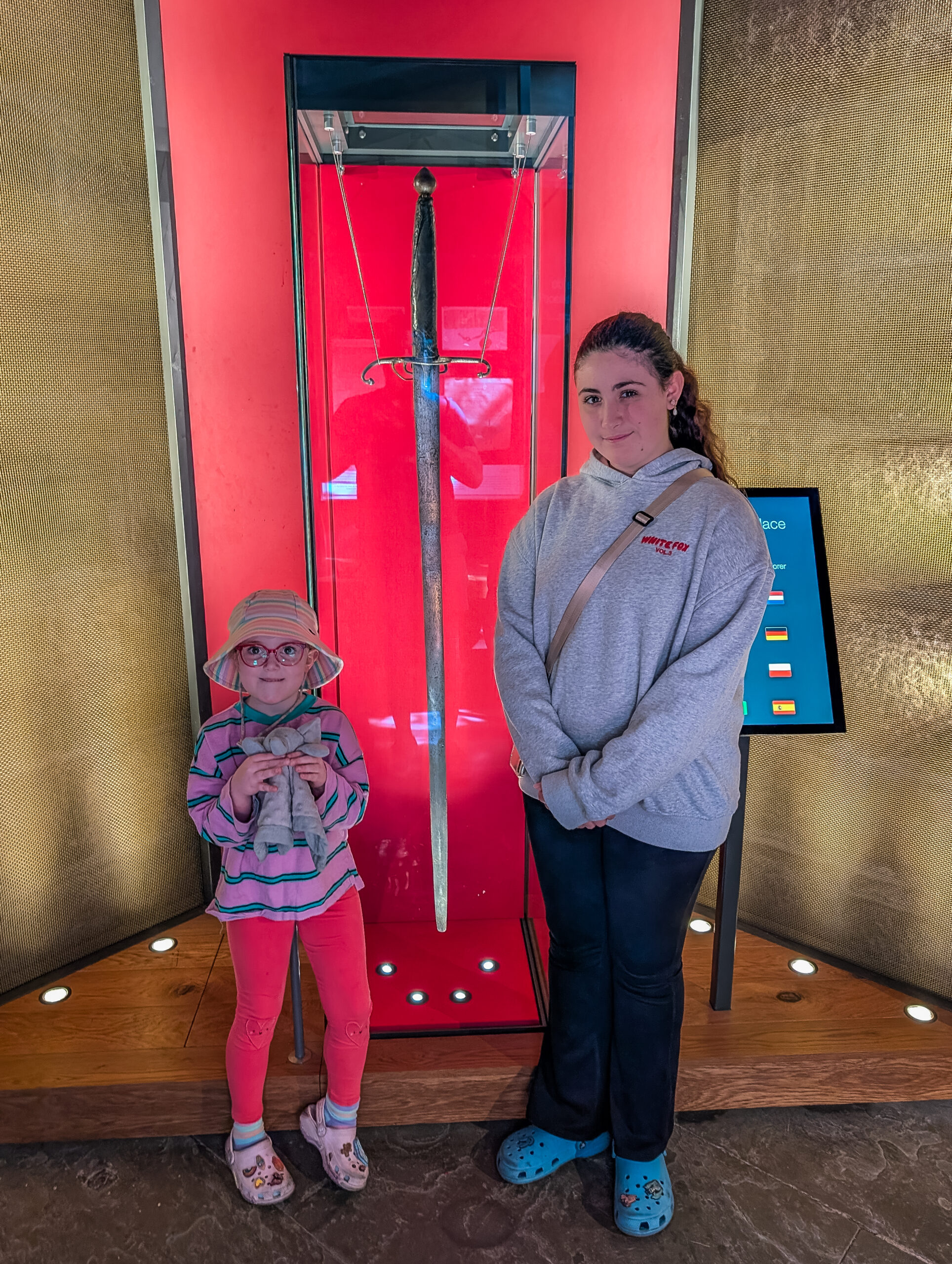
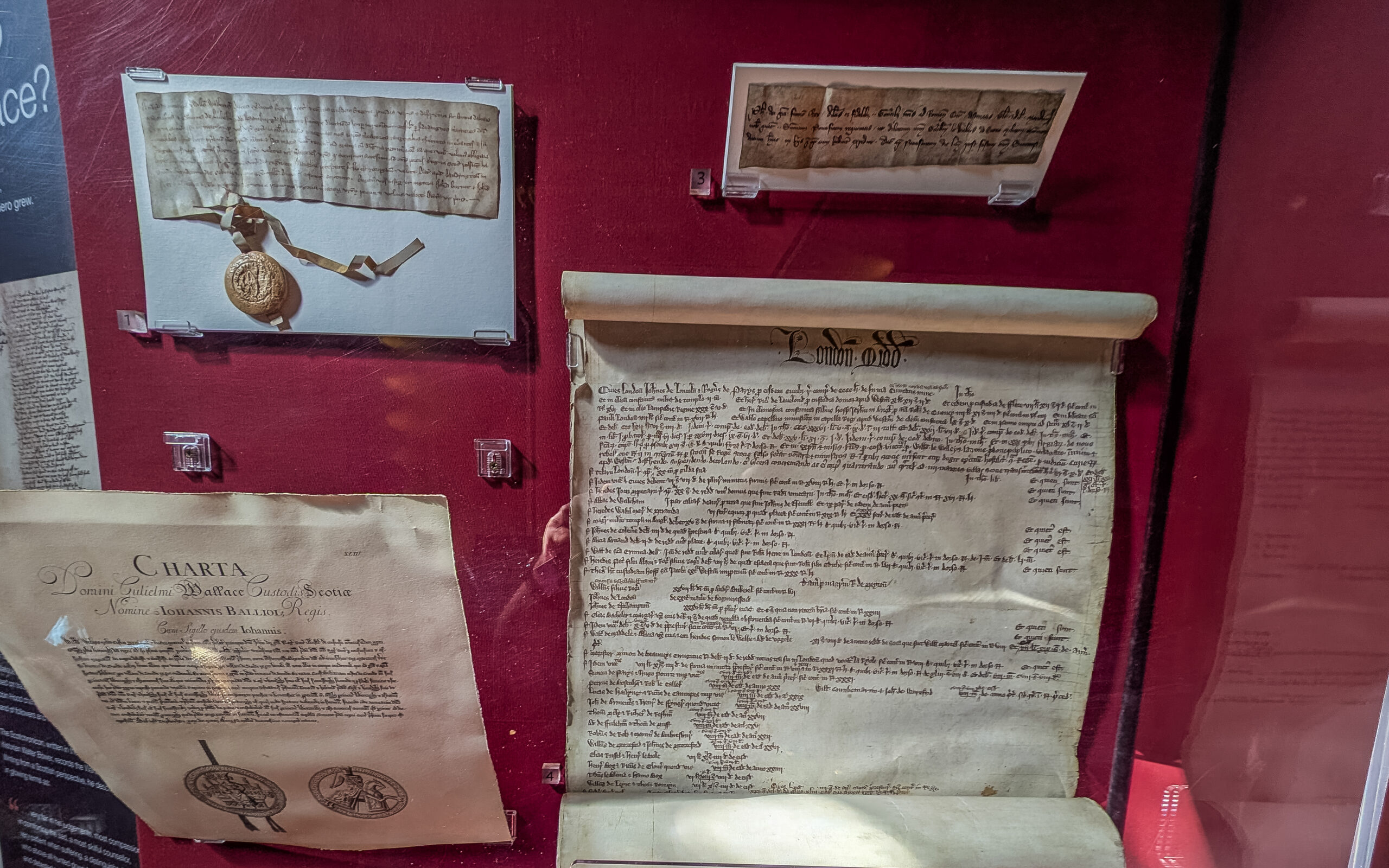
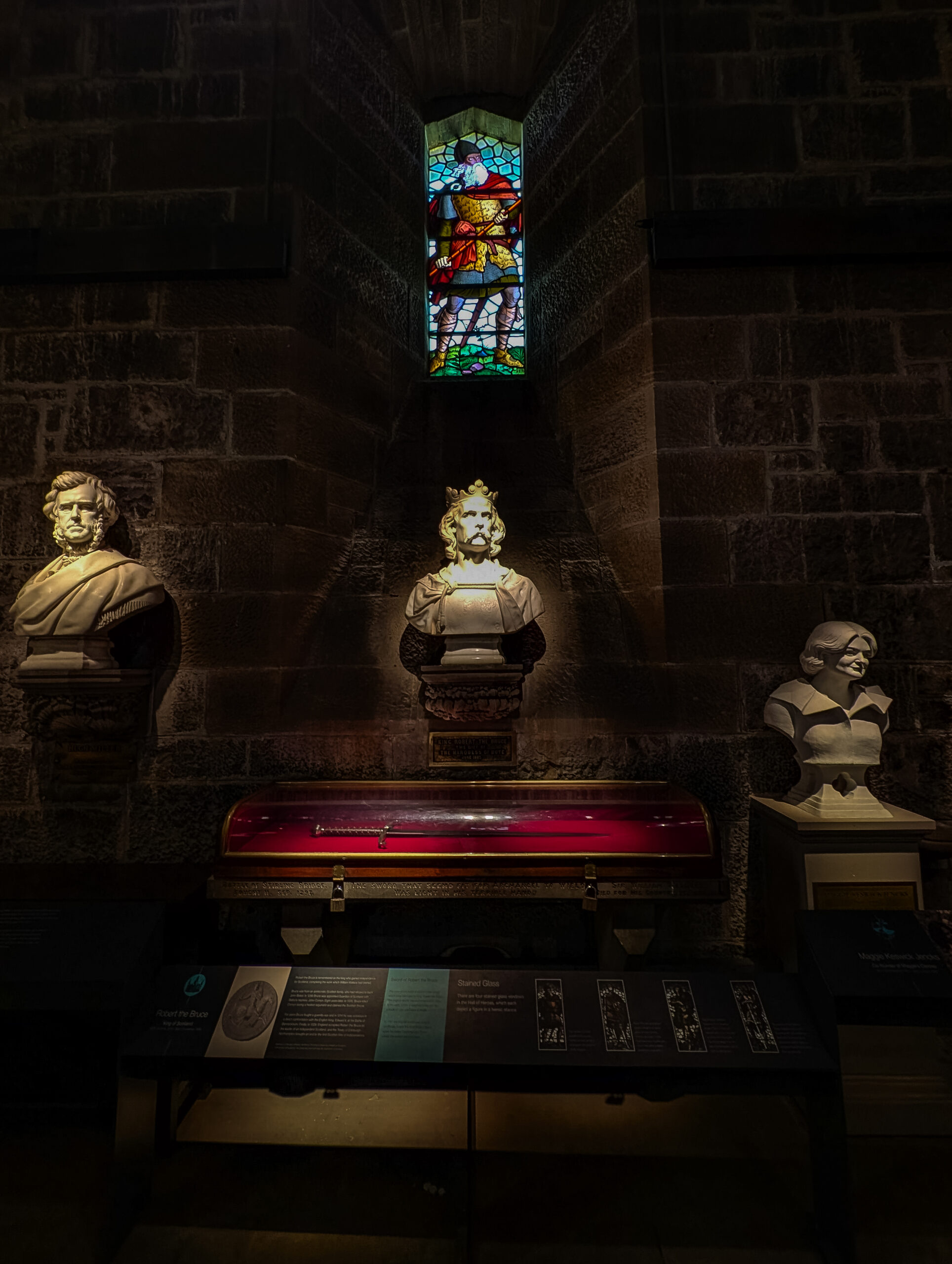
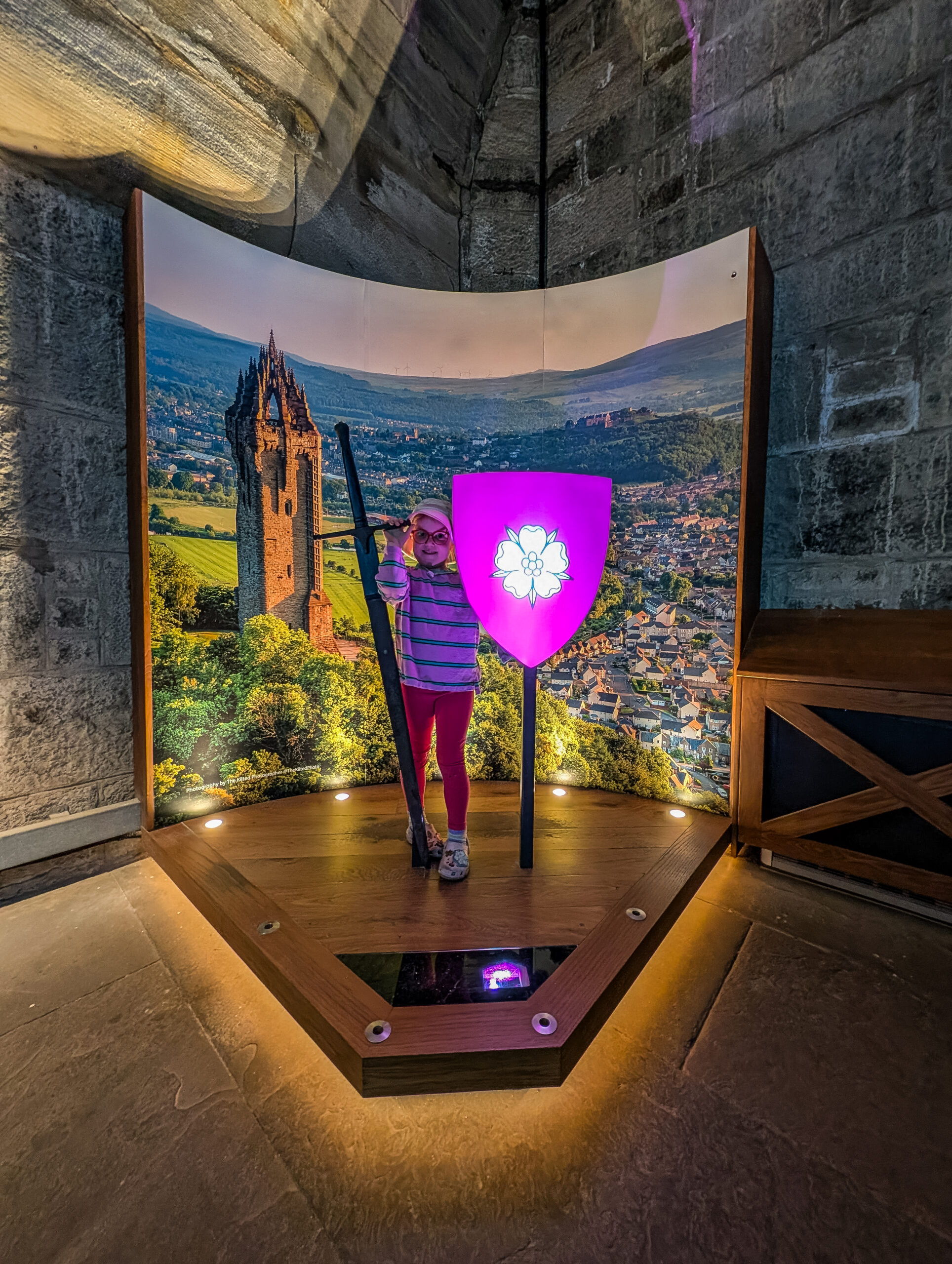
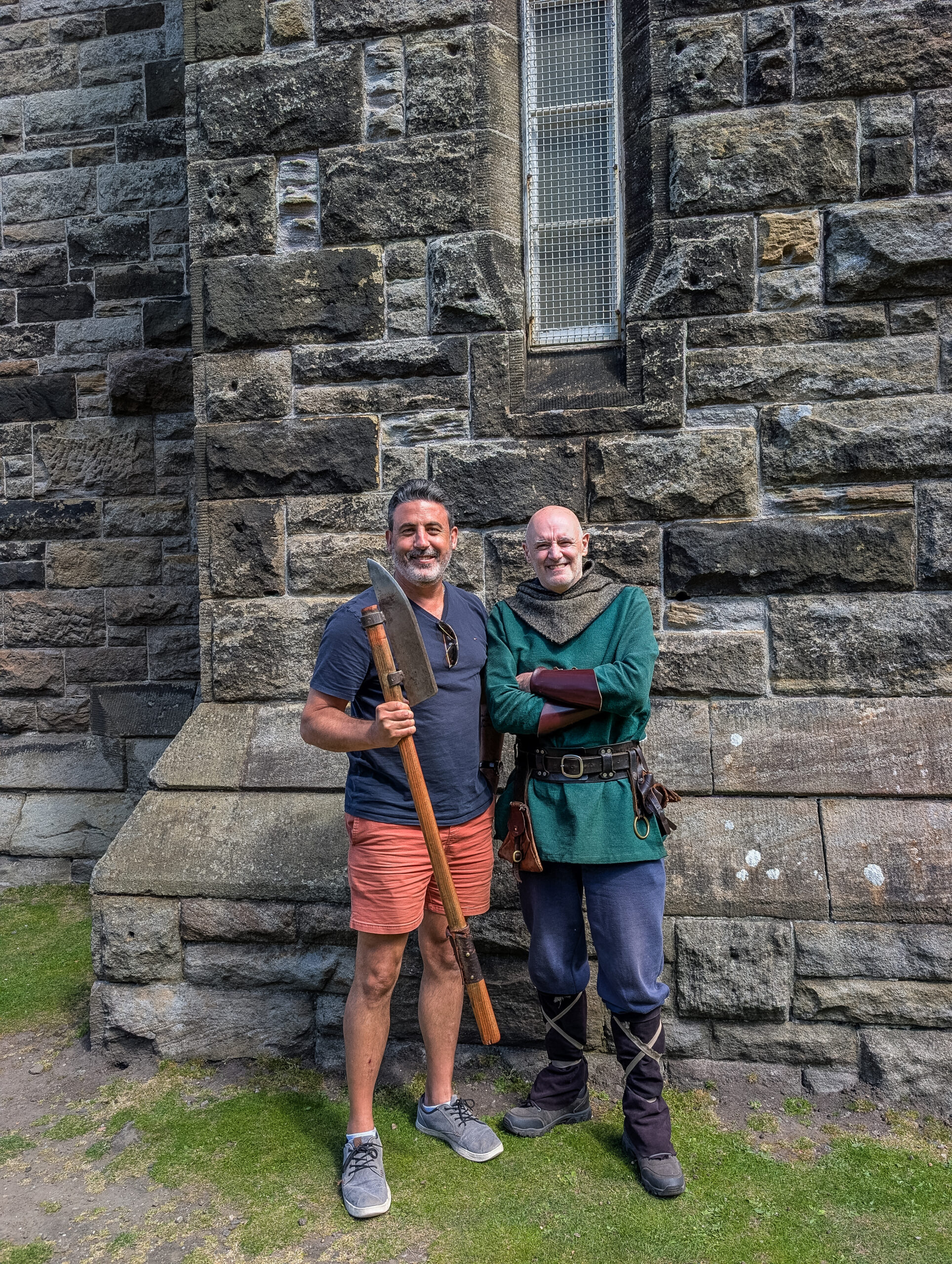
Inside, the Wallace Sword. Five feet four inches of two handed steel weighing over two kilos. Katherine is not much taller than it. Whether it was actually his is debated, but standing next to it does the job regardless. There are also documents, including the Lübeck Letter of October 1297, the only surviving document issued by Wallace that still carries his seal, telling merchants in Germany that Scottish ports were open for trade again. It is 729 years old and it survived in a German archive rather than a Scottish one, which is a small piece of luck we very nearly did not get.
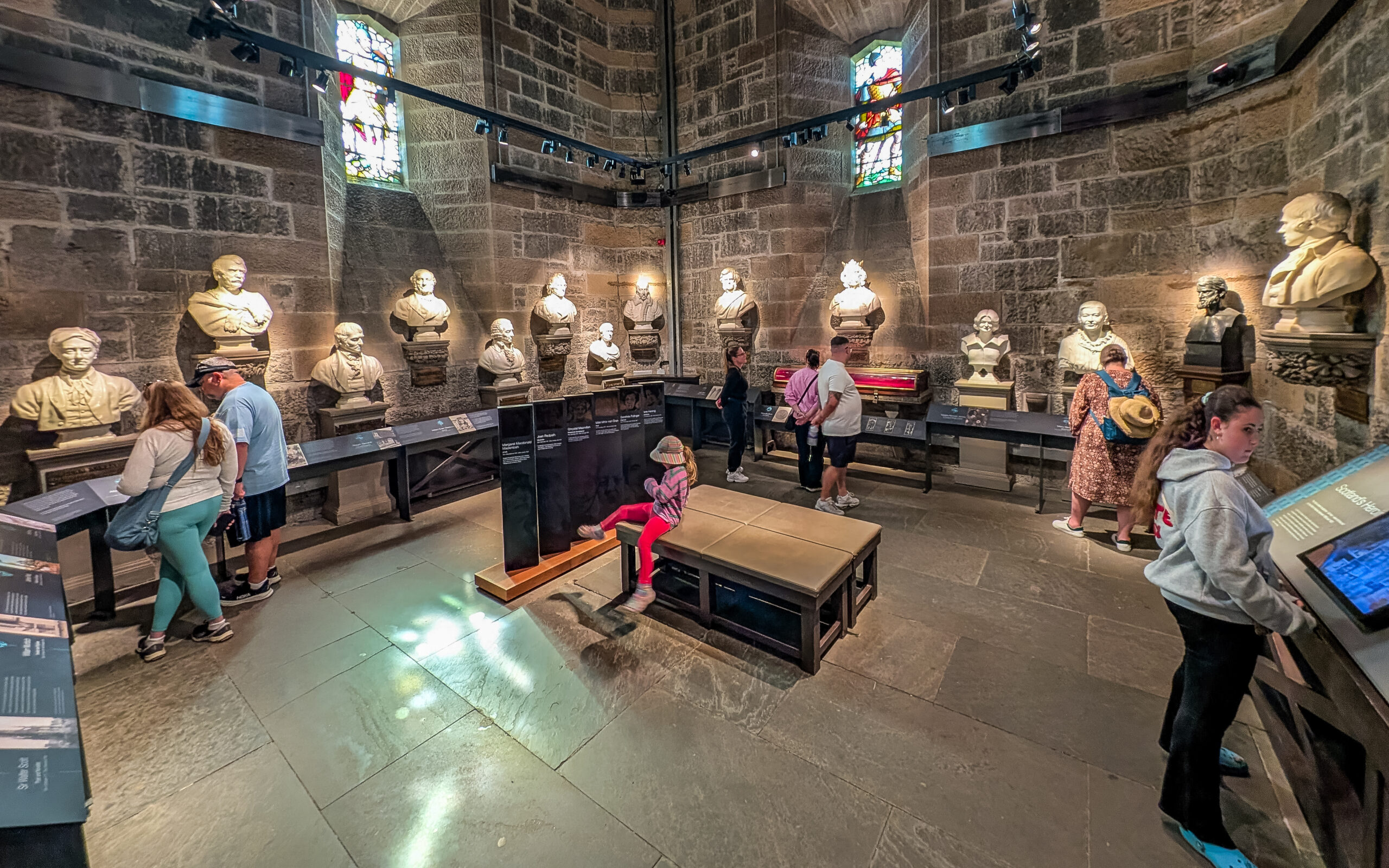
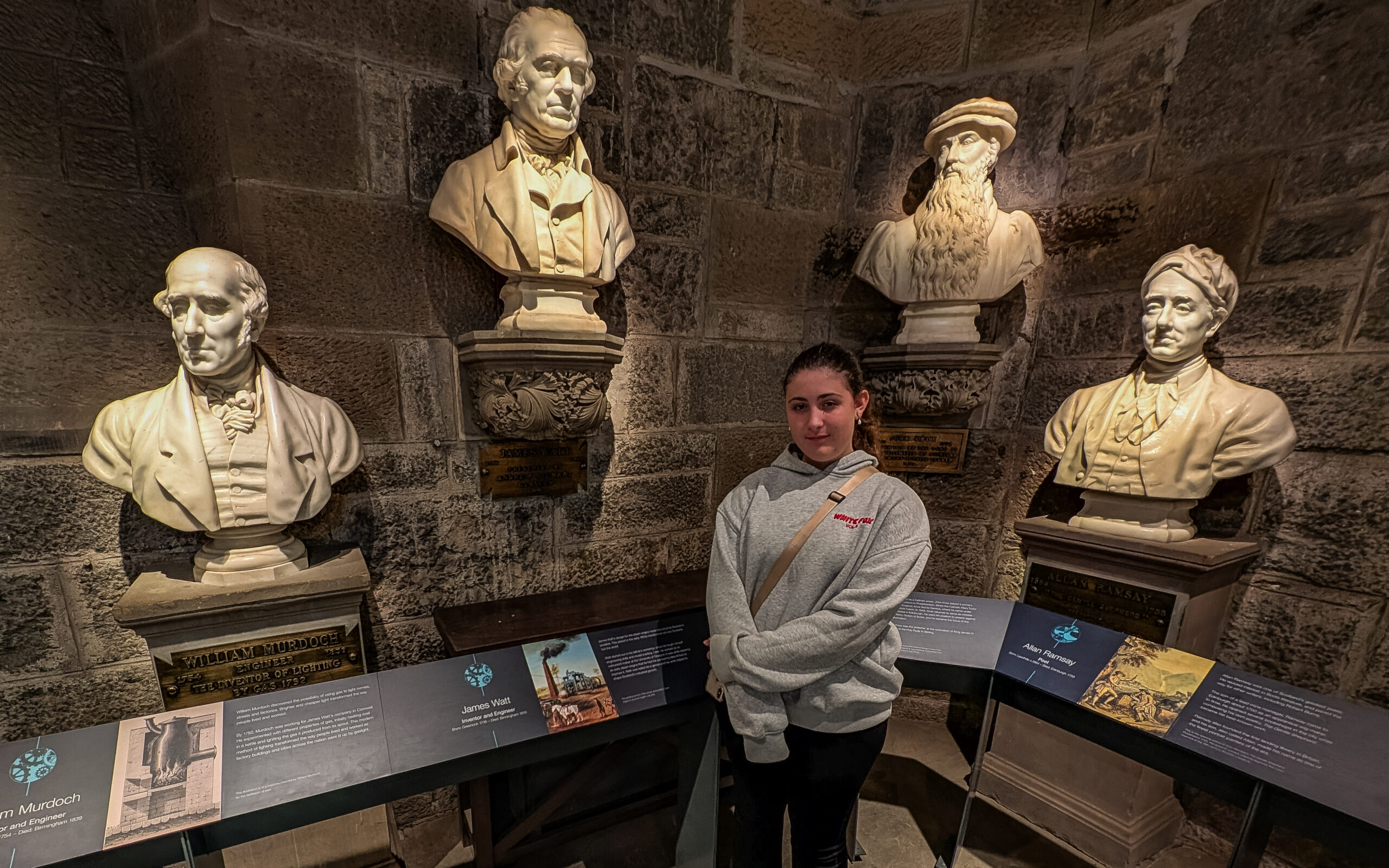
Then the Hall of Heroes, busts of sixteen Scots. Katherine posed with James Watt, whose separate condenser made the steam engine actually efficient and who has a unit of power named after him. William Murdoch, who worked for Watt's company and lit his house with coal gas in 1792, inventing gas lighting. John Knox, who drove the Scottish Reformation. Allan Ramsay, the poet who revived writing in Scots and set the table for Burns. Not a bad room at all for a country of five million people.
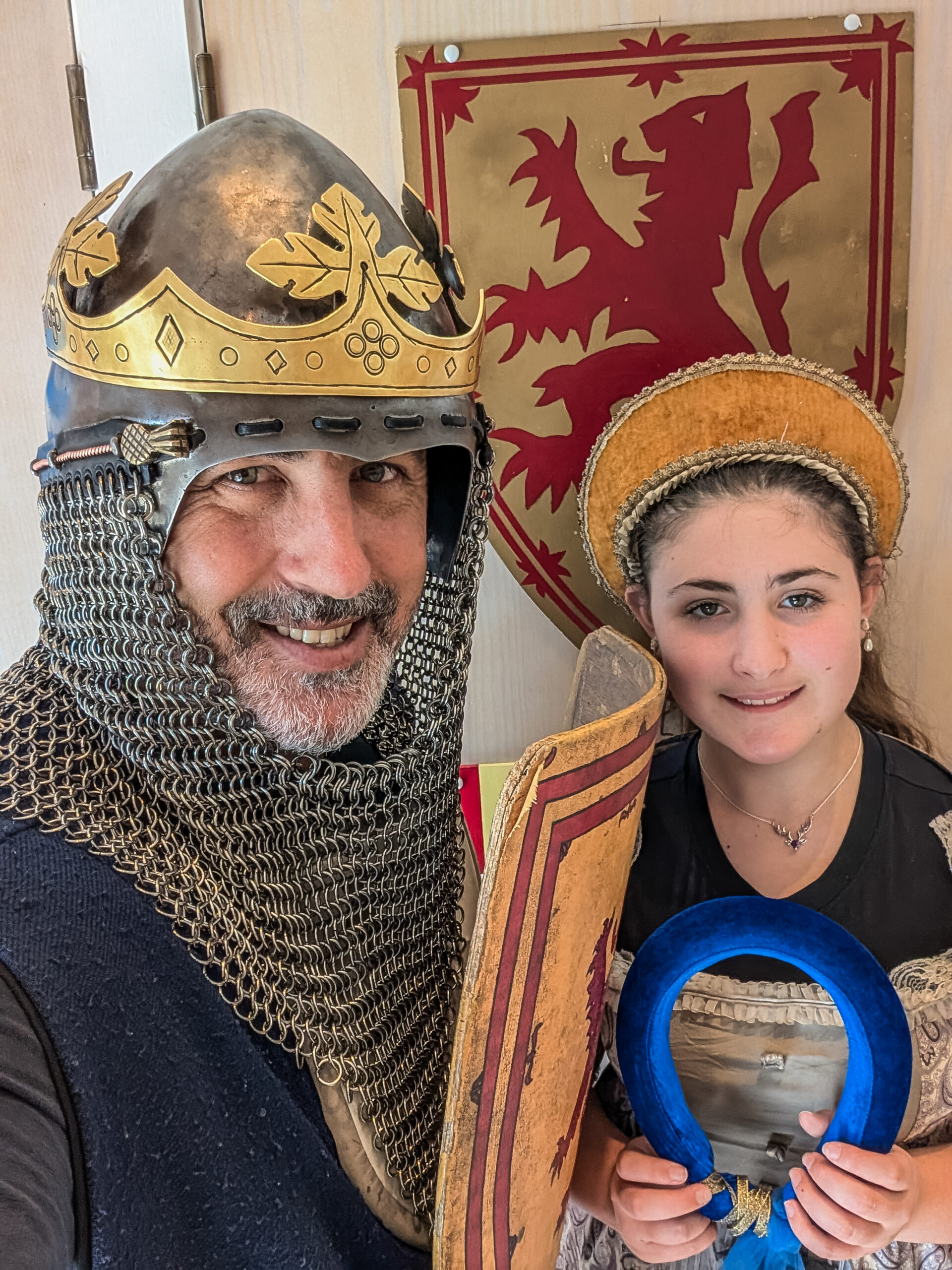
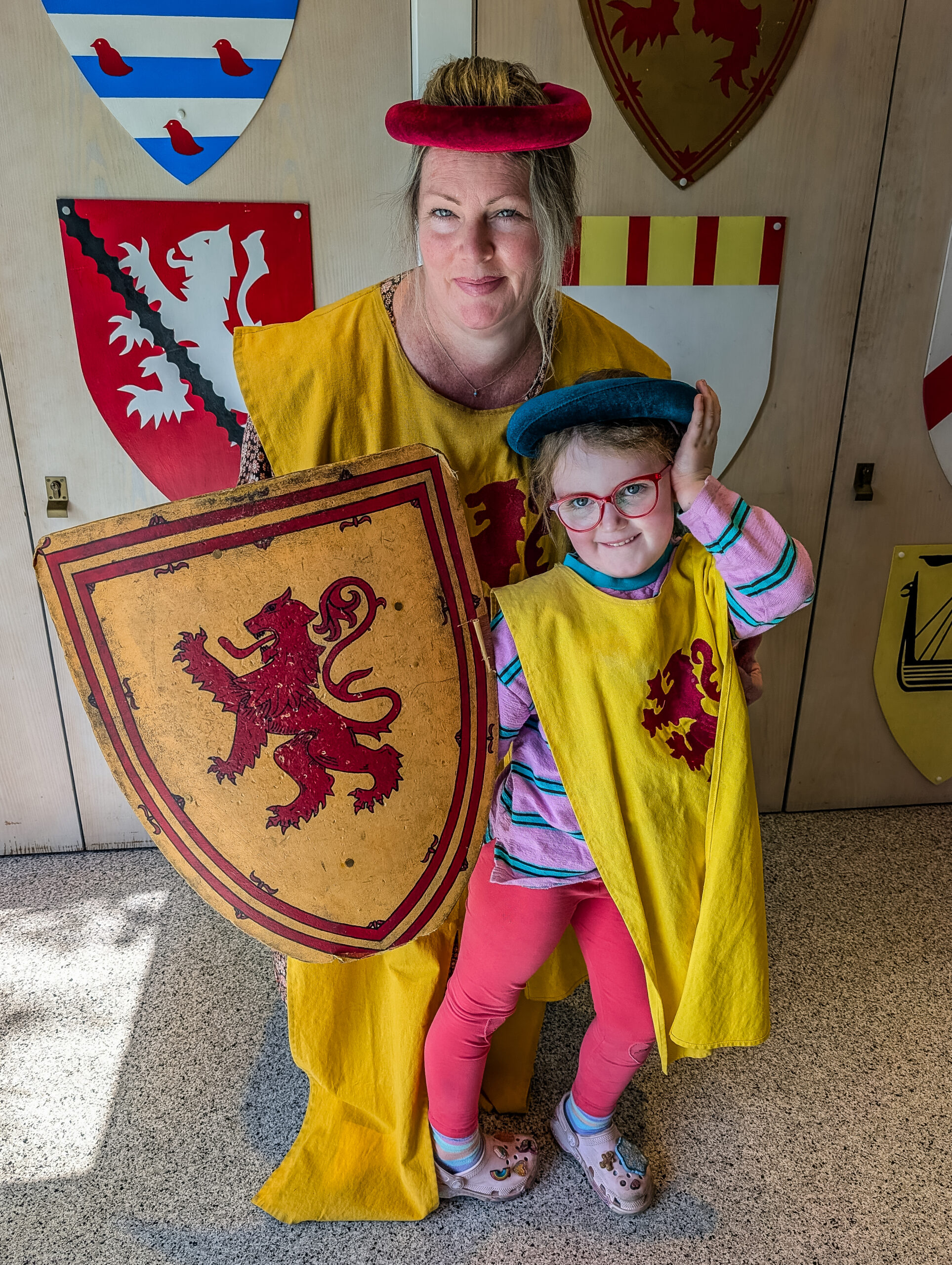
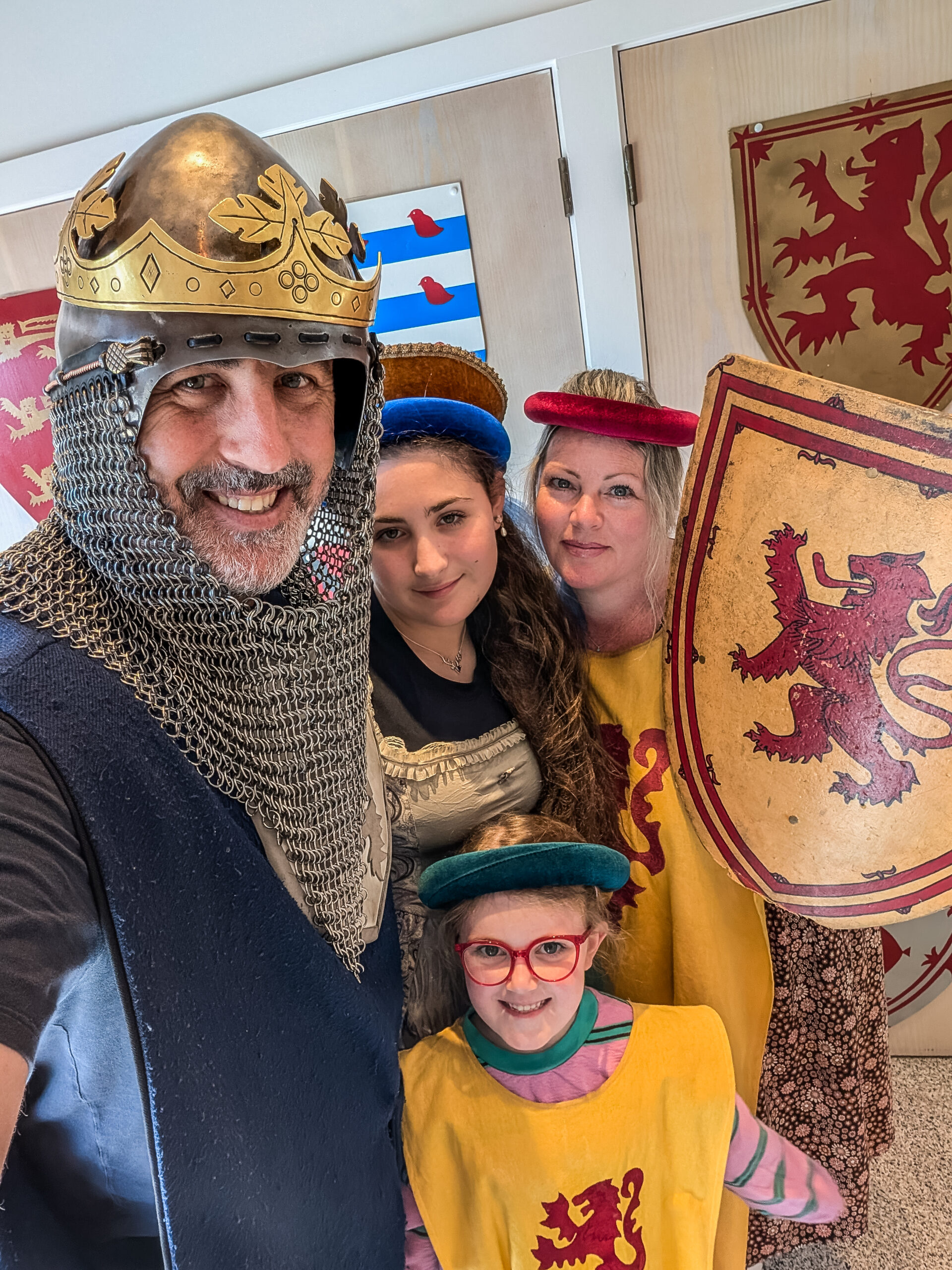
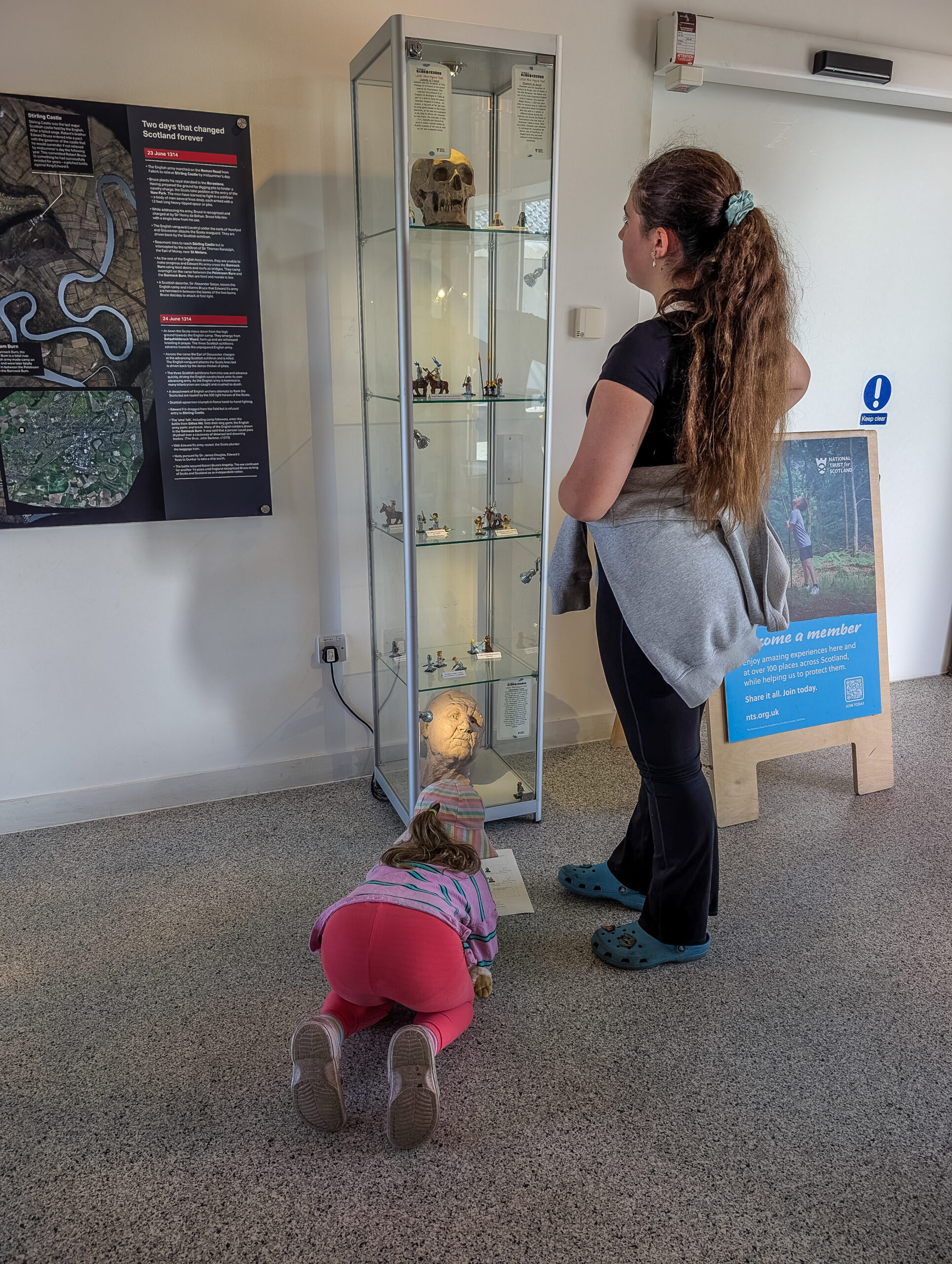
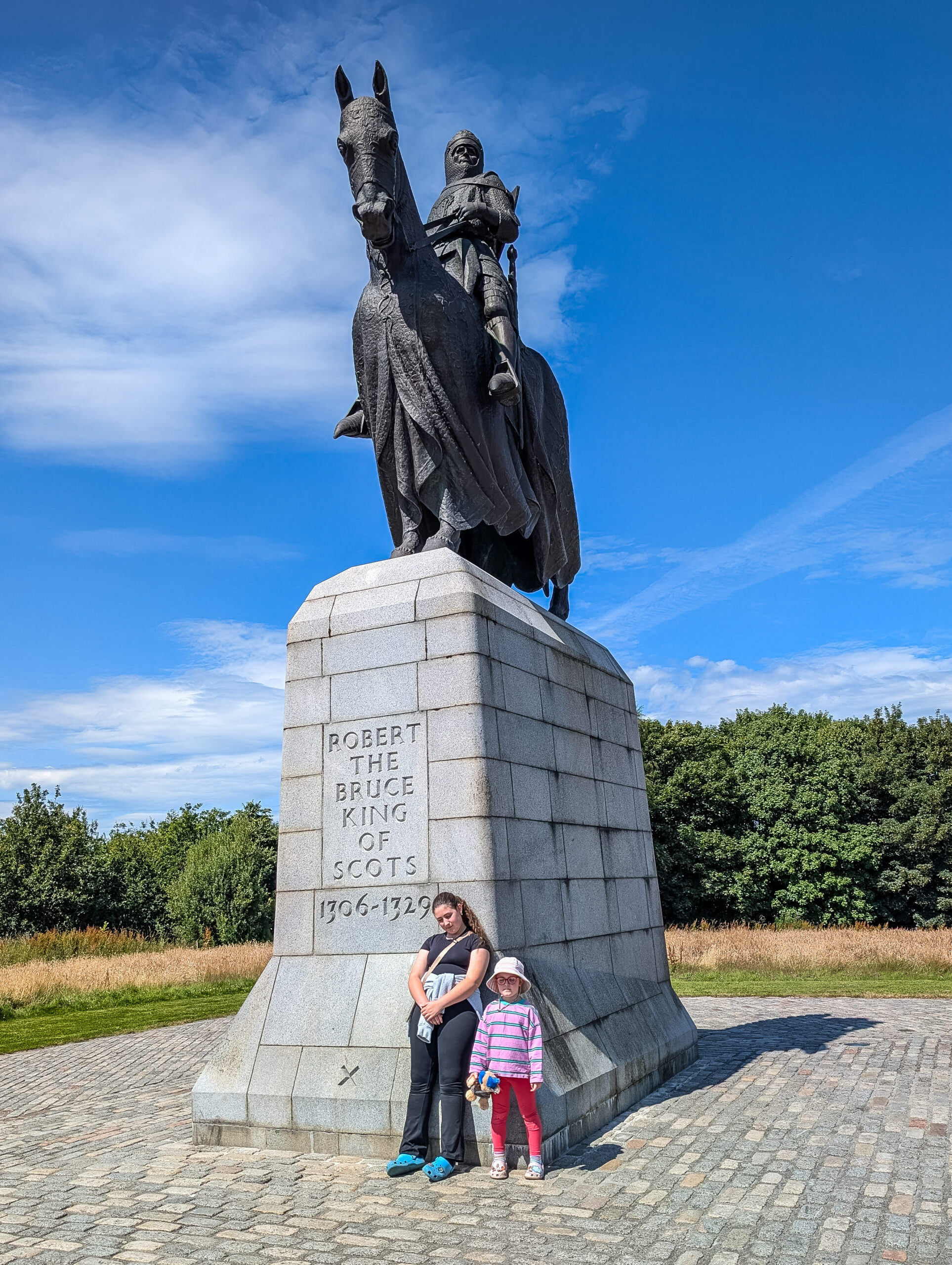
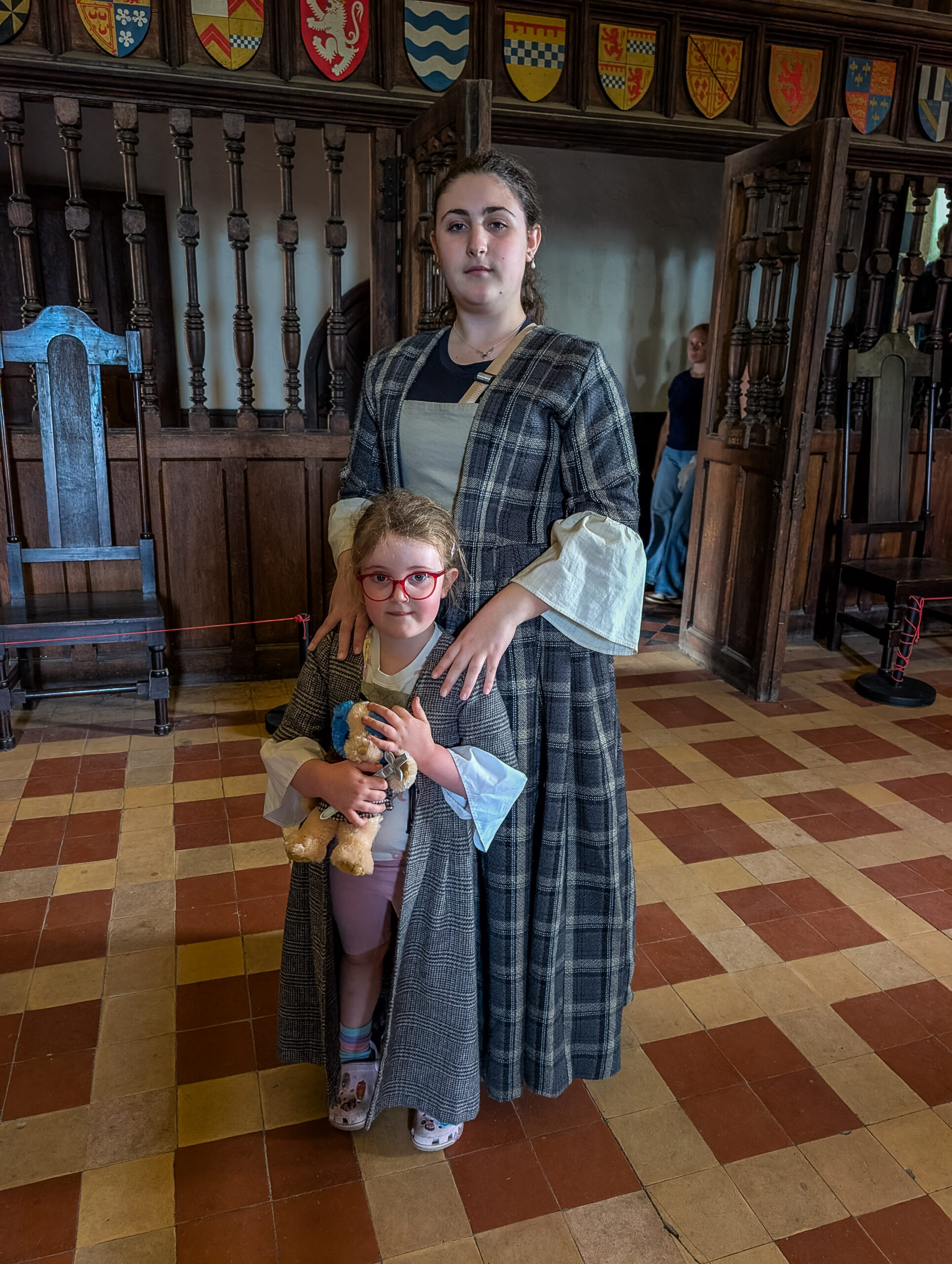
Bannockburn next, my second visit and still emotional. The visitor centre puts you inside the 1314 battle in 3D and it works. Robert the Bruce killing Sir Henry de Bohun with one blow of his axe on the eve of it all, then two days that changed the country. This time there was something for the girls too, a treasure hunt where you comb the whole centre for Lego minifigures of Scottish historical figures. Mirin was flat on the floor hunting under display cases. Katherine got involved as well, which at her age is high praise. Then dressing up in mail and tabards, and out the back to walk the ground itself, open fields running away on either side with the rotunda and its flagpole standing in the middle of them, and Bruce on his horse at the far end in bronze, in mail, visor down, looking south. Nobody knows exactly where the fighting happened, which somehow makes walking across it better rather than worse. You are somewhere in it.
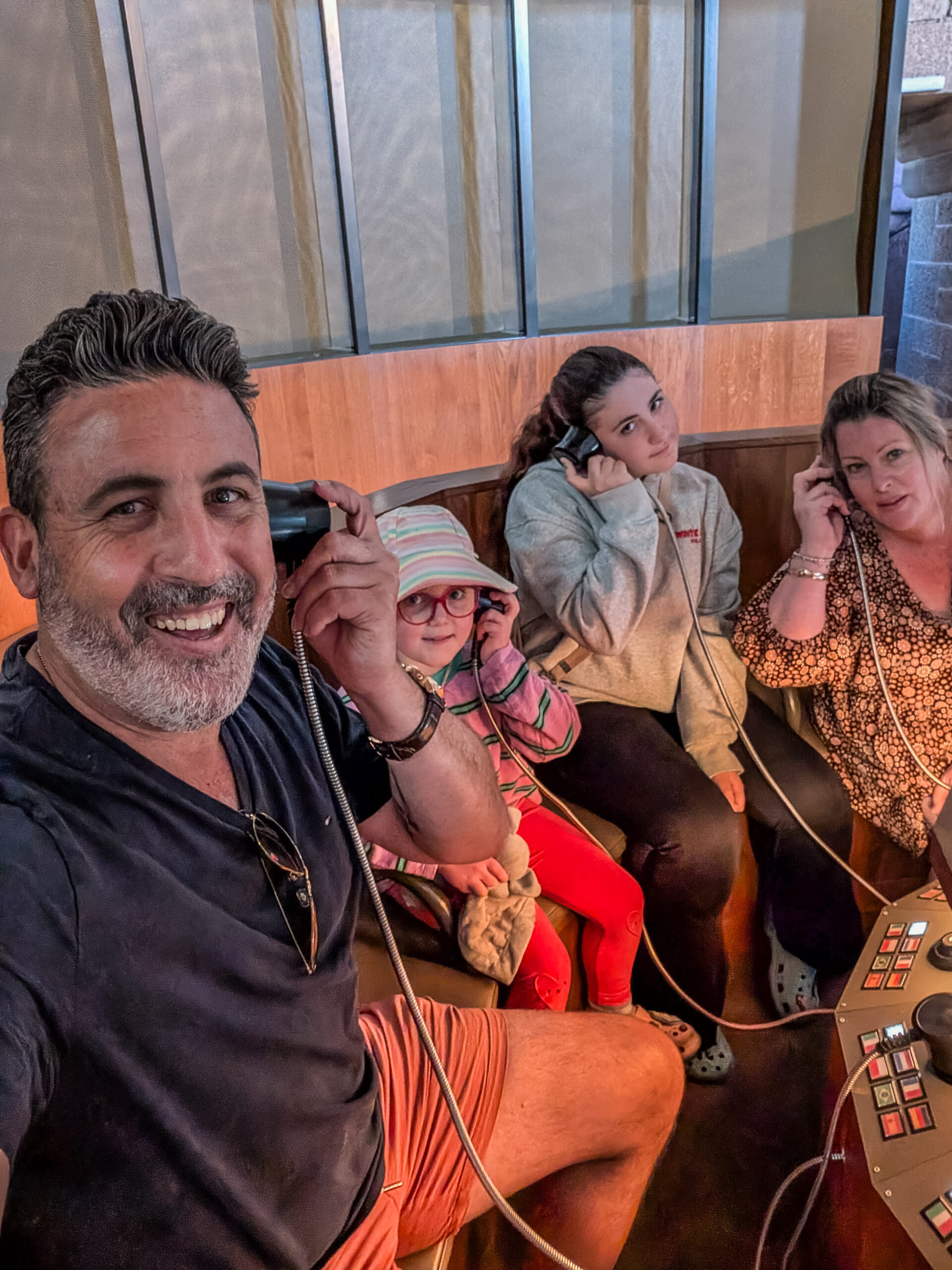
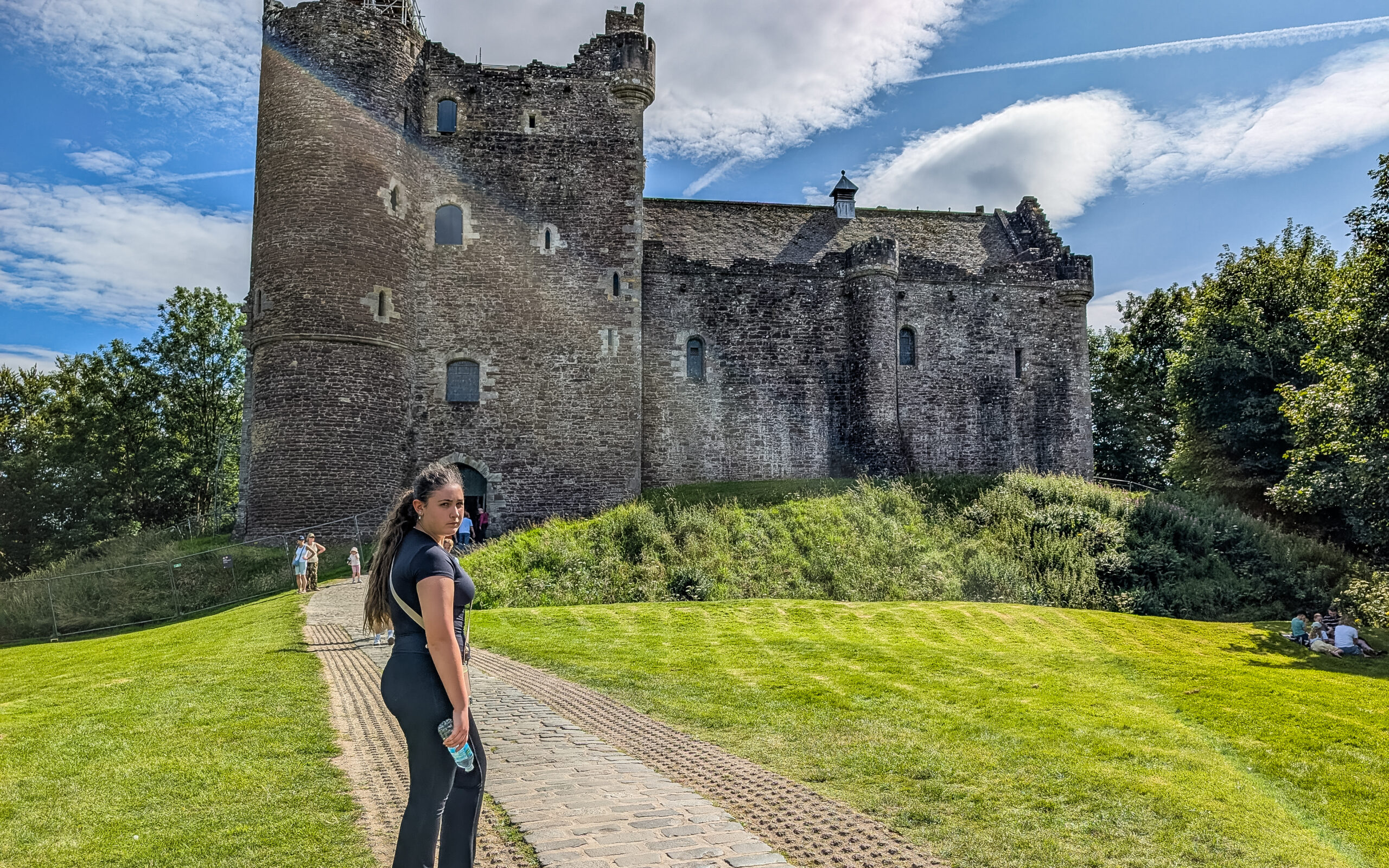
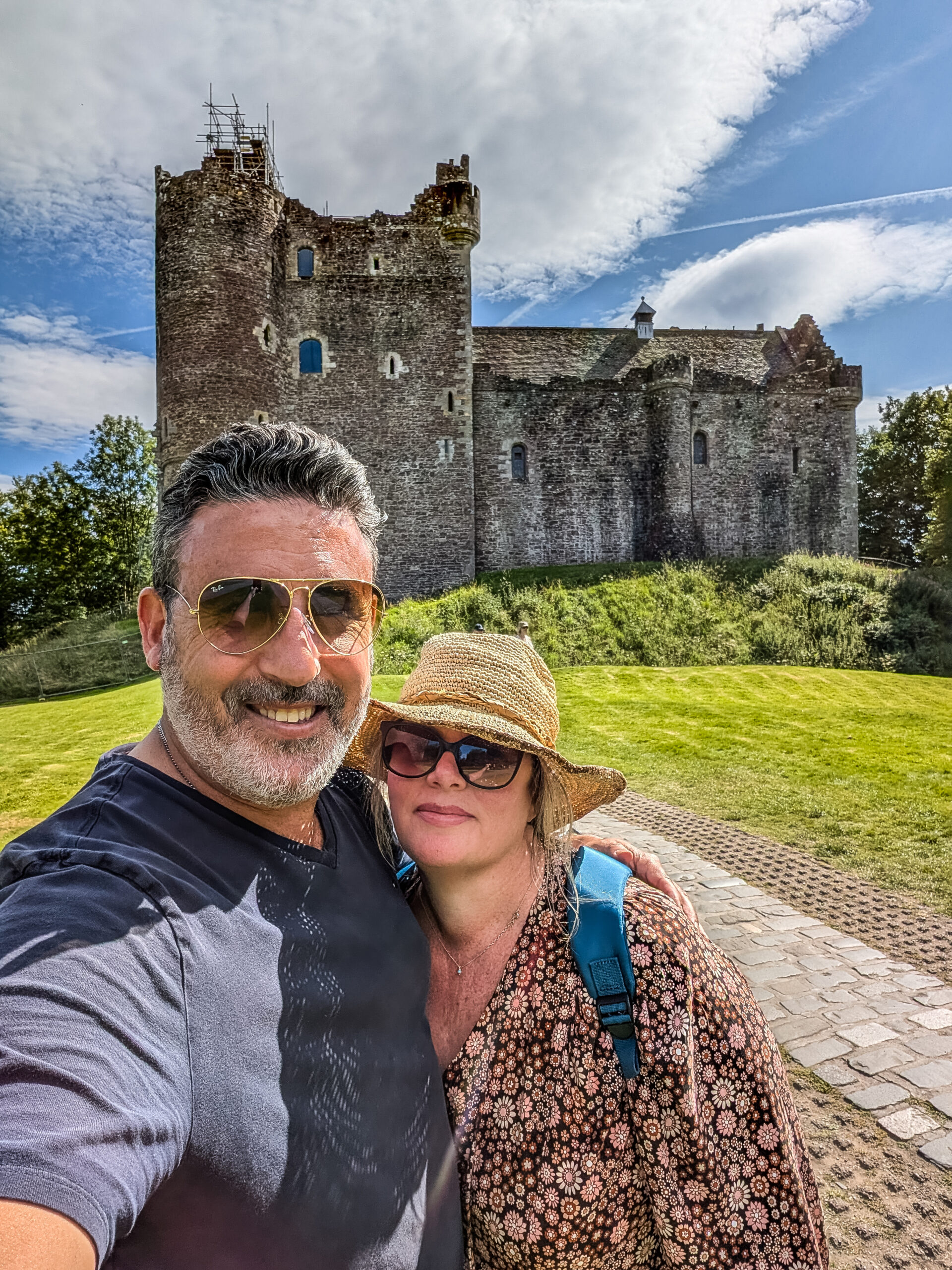
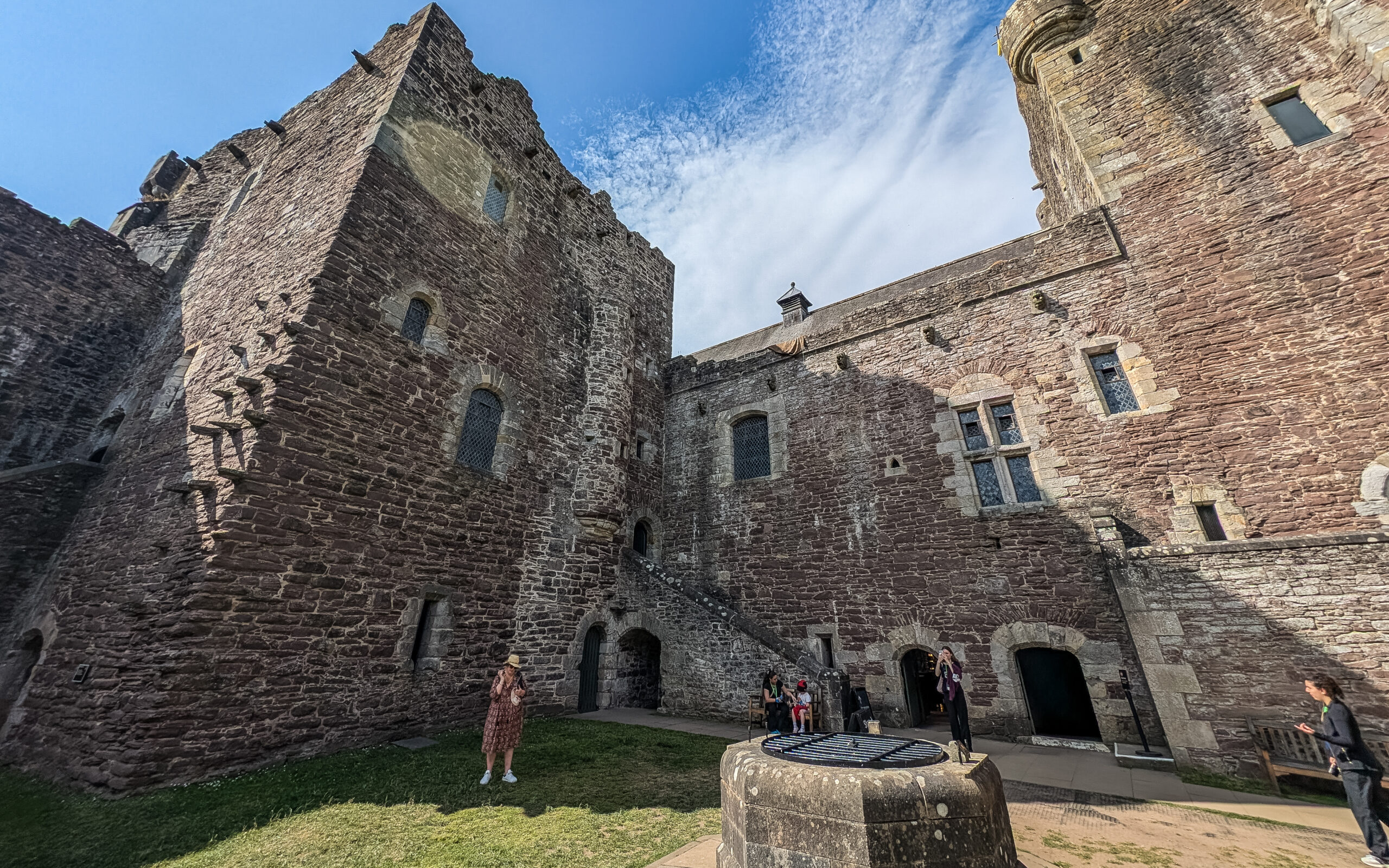
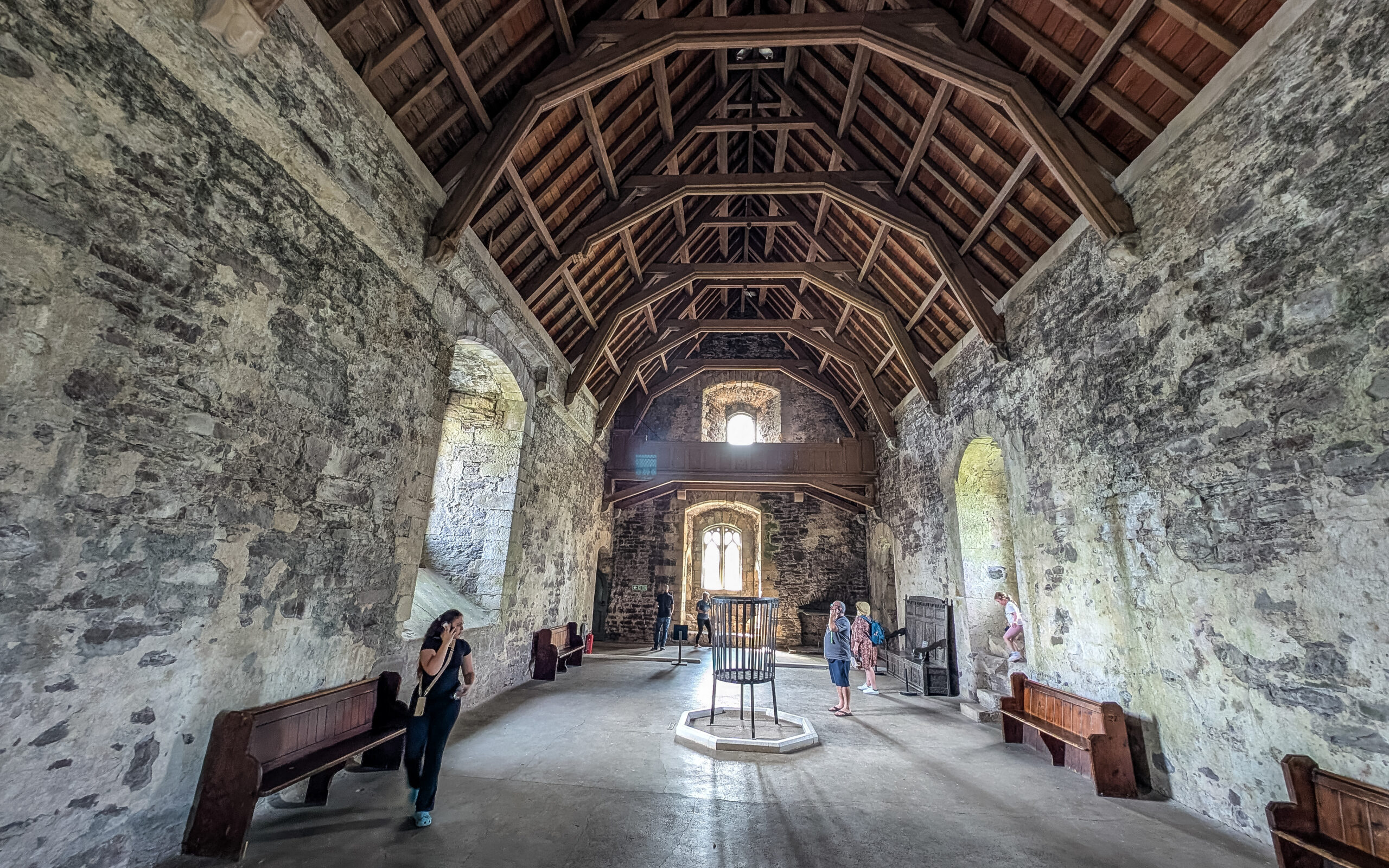
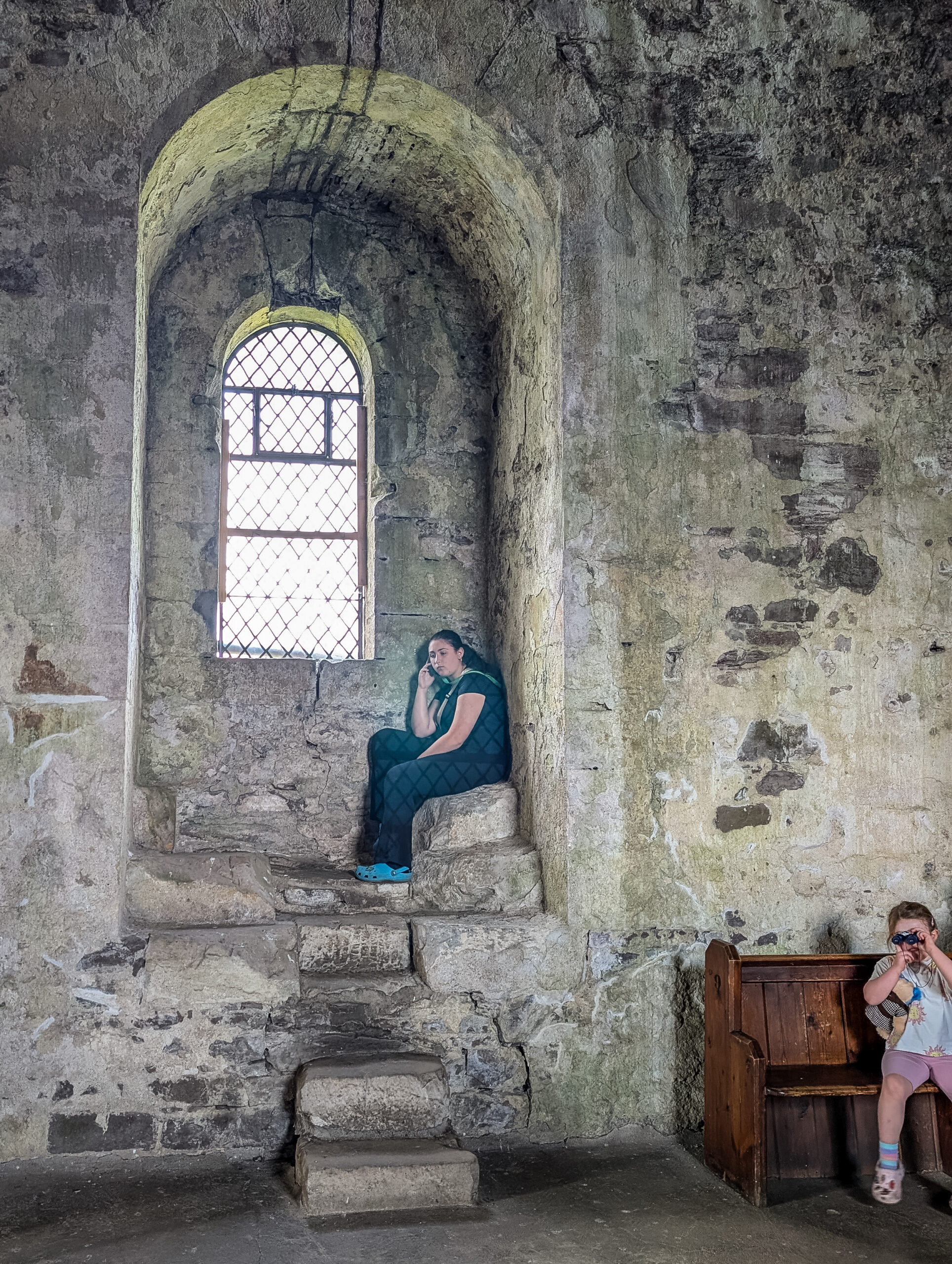
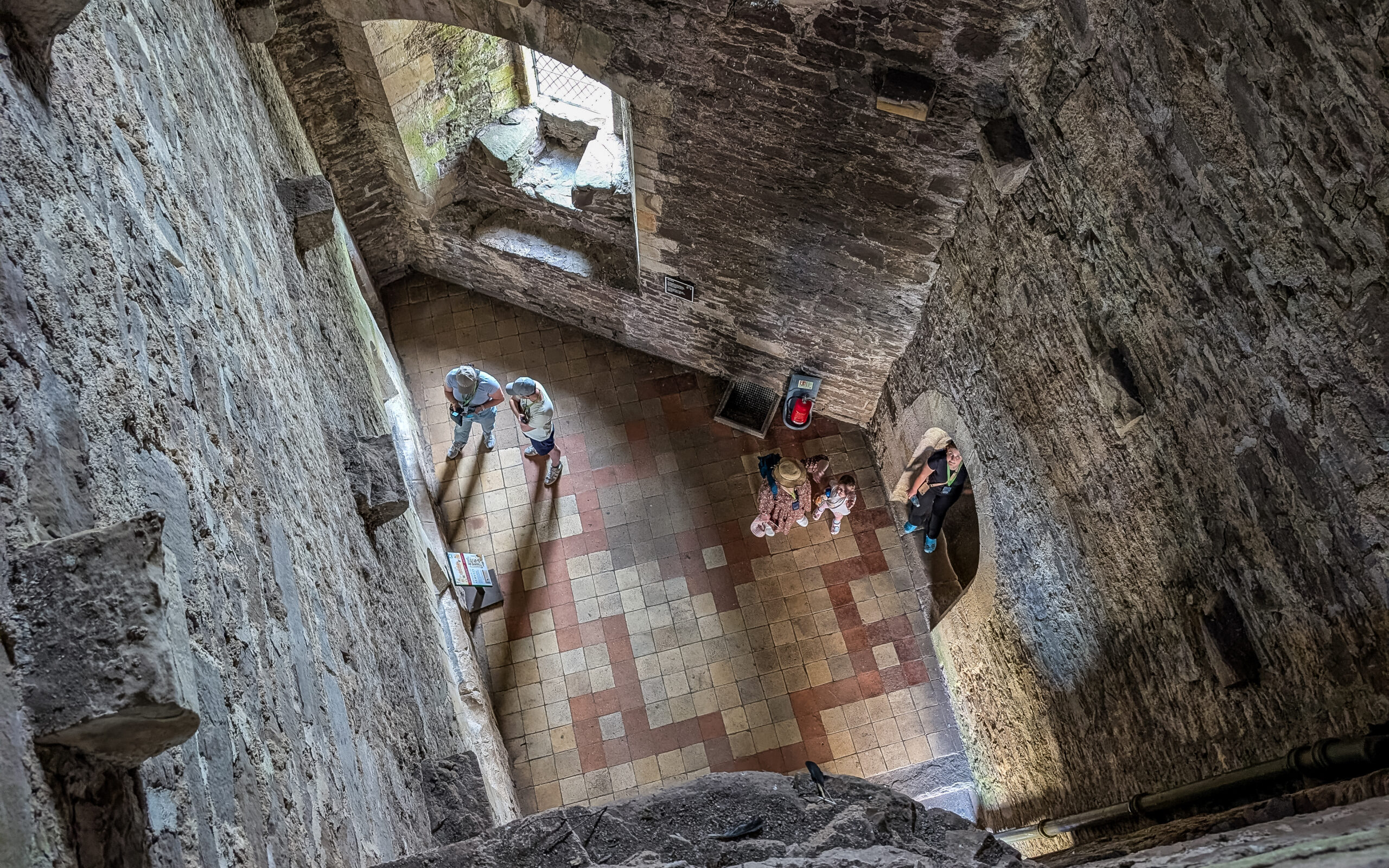
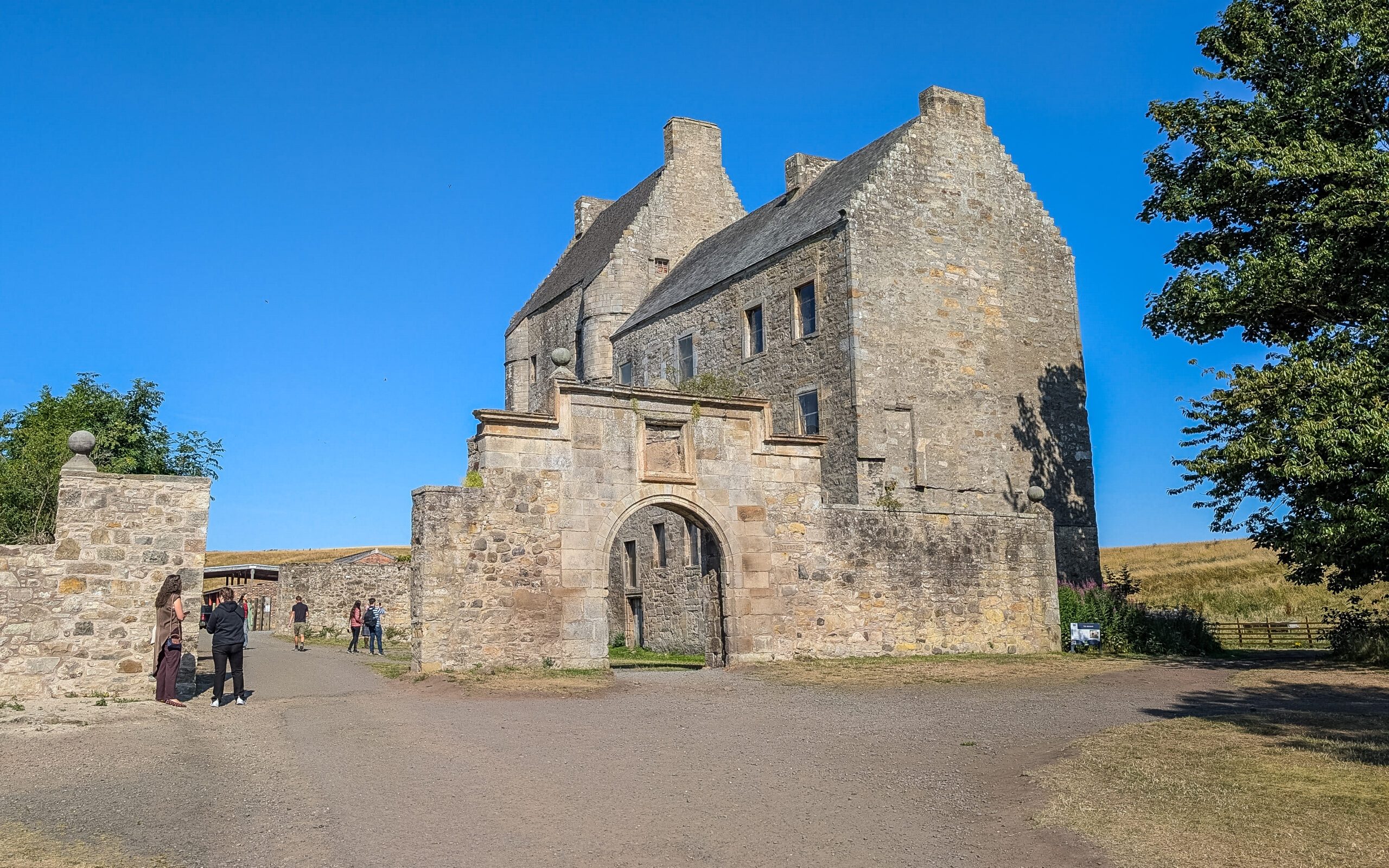
Finished at Doune Castle, which is most of the castles in Monty Python and the Holy Grail but more recently famous as Castle Leoch in Outlander. We learned on arrival that there is no motorhome parking, so there was a slow and careful bit of snaking back out of the car park and the road leading to it before we found a spot in the nearby village and walked back. Note that one down if you are driving anything long. Worth it either way. Built for Robert Stewart, Duke of Albany, in the late 1300s, when he was effectively running Scotland on behalf of a brother who could not. The audio guide is narrated by Terry Jones with extra bits from Sam Heughan, which is a strange and wonderful combination and the only place you will hear a Python and a Highlander discuss the same courtyard. Heughan explains what they did to turn it into an 18th century clan seat, including barrowing in enormous quantities of mud. The great hall with its timber roof is worth the ticket on its own. No coconuts and no standing stones for us yet, but the stones are coming.
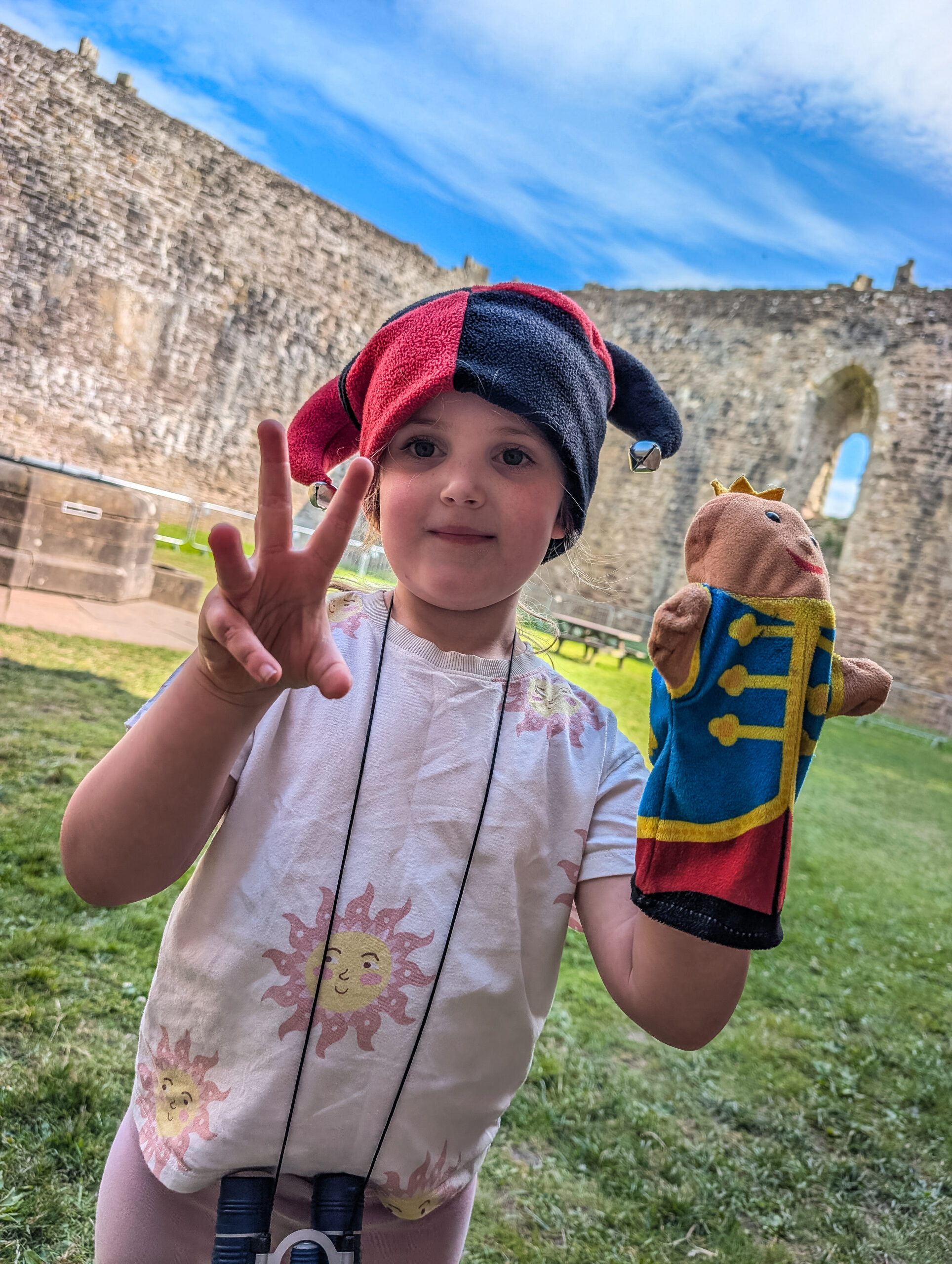
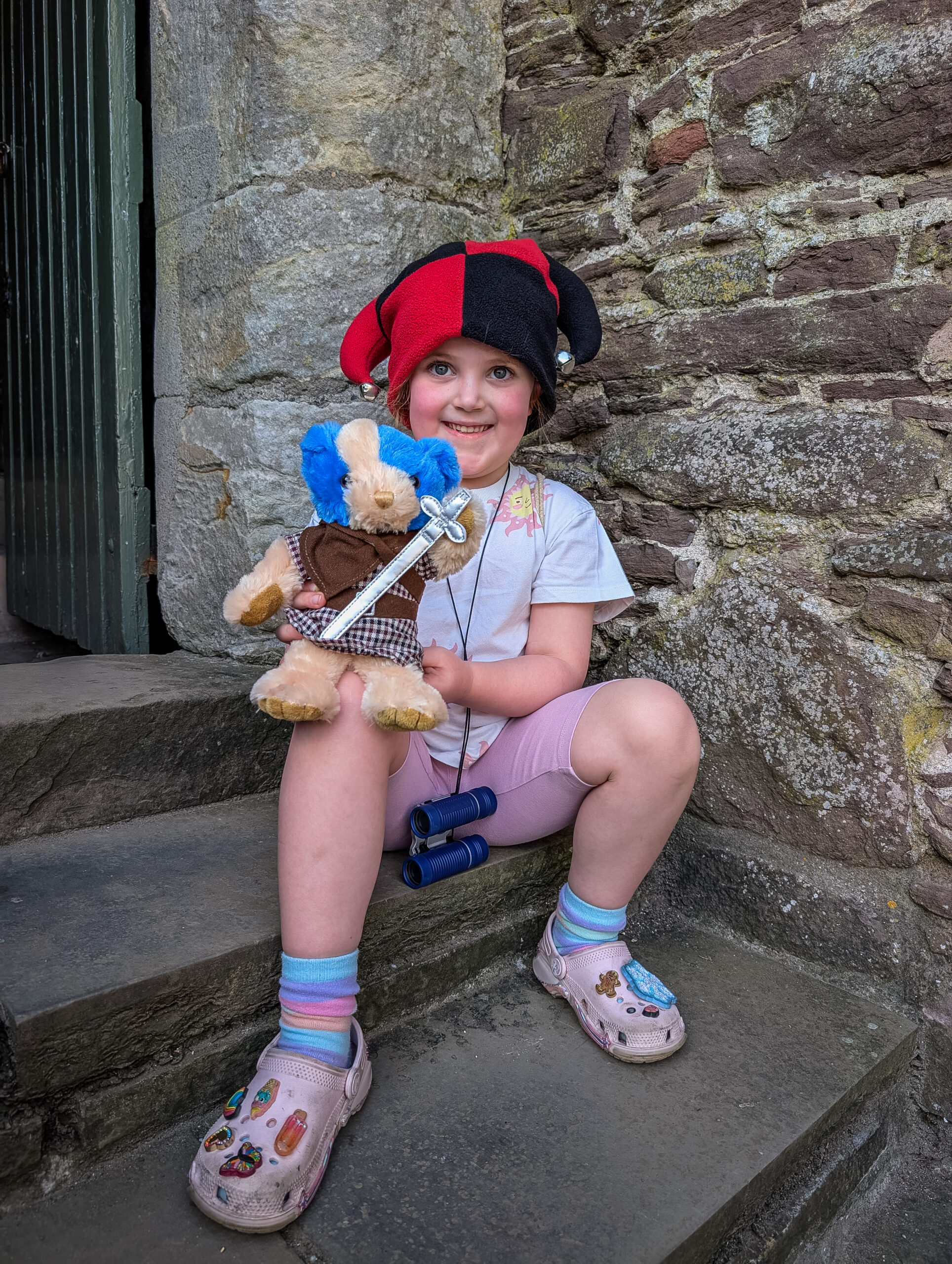
Again, plenty for the kids. Mirin found a jester's hat and a king puppet in her provided kids pack and did not take either off.